


As we witness an unprecedented integration of data science into diverse sectors, the implications for organizational strategy and operational innovation are profound. Before the advent of transformative tools like ChatGPT, many businesses found data science to be an esoteric discipline, challenging to decode and apply. However, the current landscape has shifted dramatically. Now, not only is data interpretation more accessible, but the surge in practical applications has also prompted a critical examination of how these technologies are harnessed to drive strategic value. This discussion aims to unpack the phases of adoption—exploration, exploitation, and expansion—and to outline effective strategies for integrating AI in ways that align with and advance broader business goals.
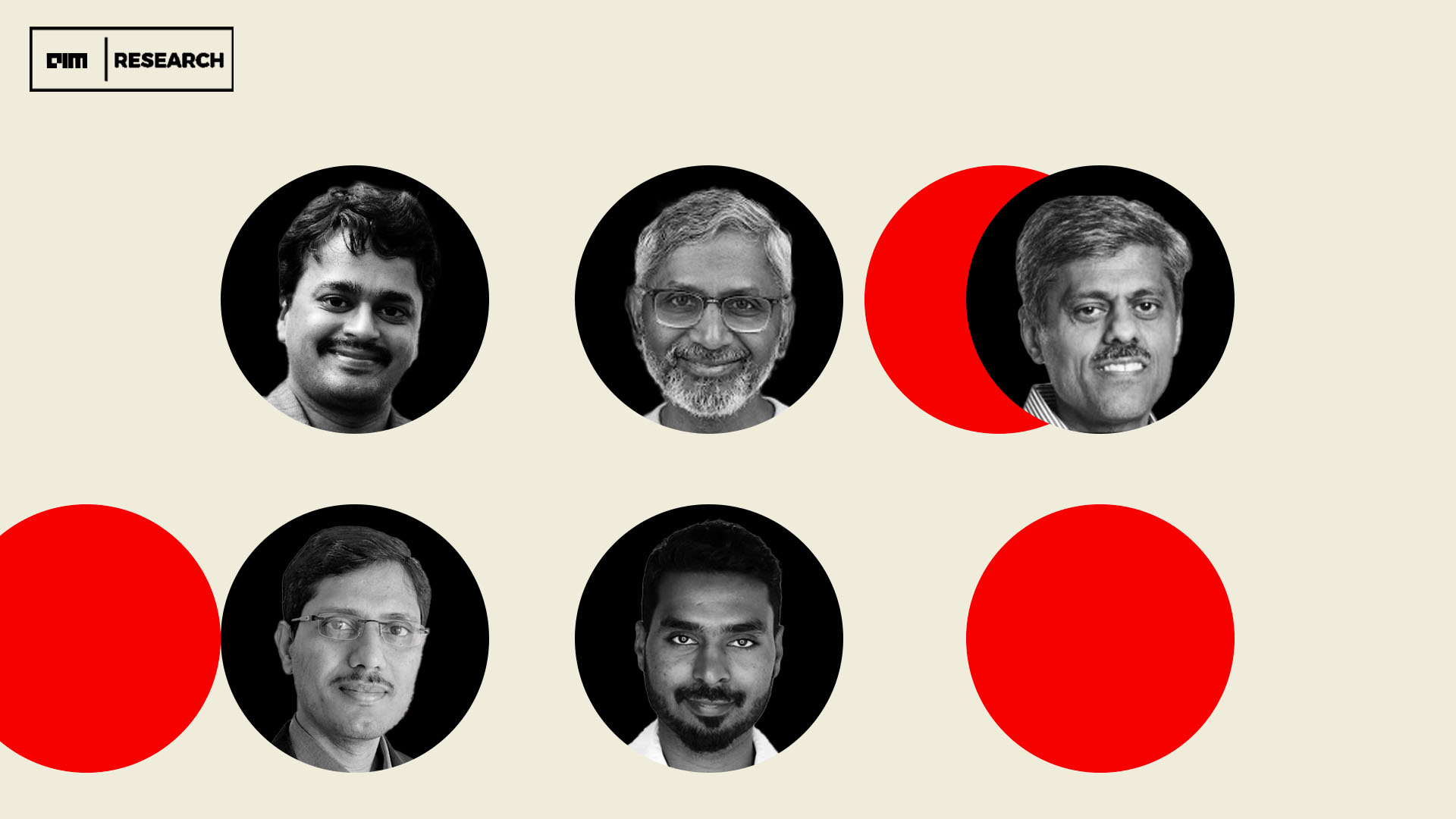
The AIM Leaders Council hosted a roundtable session on “Navigating the Gen AI Adoption Cycle-Organisation's Strategic positioning”with leaders: Yogananda Domlur Seetharama, Director of Data Science at Walmart Global Tech, Kalyana Bedhu, AI/ML Leader at Fannie Mae, Avijit Chatterjee, Head of AI/ML and NextGen Analytics at Memorial Sloan Kettering Cancer Center, Ram Ramanan, Executive Vice President, Engineering at Rondo Energy and Aravind Peddiboyina, AI Innovation & Global Analytics Delivery Leader at Kimberly-Clark.
Advancing Data Science Integration and Strategic Response in Non-Technical Sectors
Before ChatGPT, businesses wanting to use data science capabilities found them difficult to interpret. The valuable aspect is that the data science team must first delineate and explain how we can streamline metrics of interest before moving forward. What ChatGPT enables is a clearer view of its impact on the world. Consequently, businesses began seeing more industry use cases being adopted within their own operations. Now, the situation has reversed; we are inundated with use cases that need immediate attention.
The influx of these use cases prompts a need for strategic responses and effective integration of data science within sectors not traditionally focused on tech. It's crucial for these industries to understand the scope and scale of implementing data science solutions to ensure they align with broader business objectives. I'd recommend a few key strategies to facilitate this integration.
