


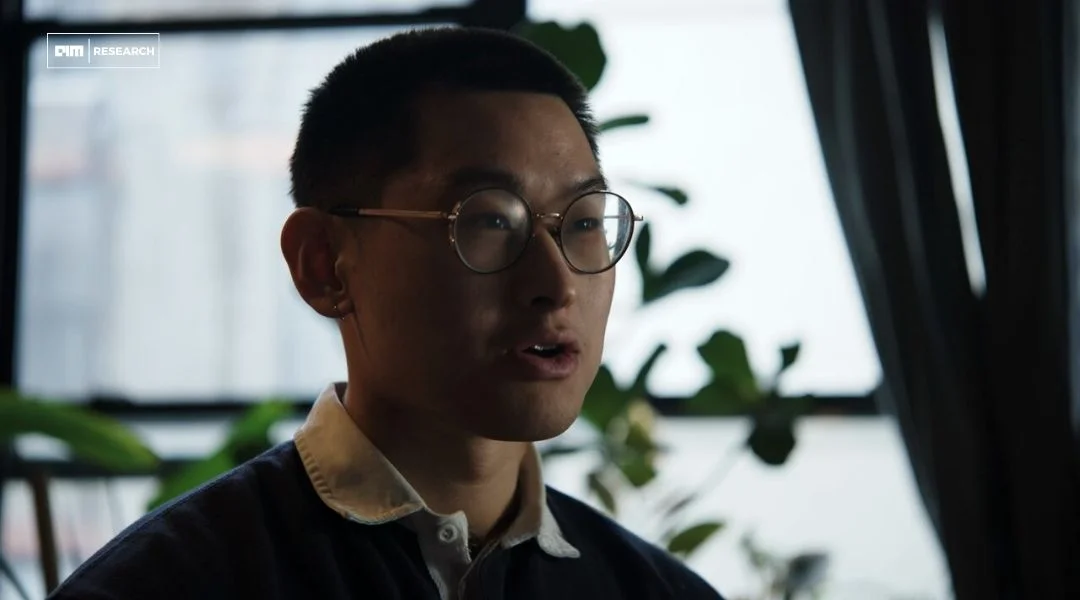
AI-powered creative tools are everywhere, but few are built with actual creative professionals in mind. Flora launched this week with a clear stance which was that AI tools should be more than gimmicks that generate content with little control or refinement. The startup's manifesto makes that much clear, stating that “AI creative tools should be more than toys for generating AI slop.” Instead, Flora is focused on building what Wong describes as a true “power tool” for creatives, aiming to reshape how professionals interact with AI in their work.
Unlike other platforms that either automate creativity without meaningful input or require complex workflows, Flora attempts to strike a balance. It provides what Weber Wong, Founder of Flora calls an “infinite canvas,” a visual interface that integrates with existing AI models to give users more direct creative control. Instead of creating yet another generative AI model, Wong believes the real challenge lies in how these models are used. “The model does not matter, the technology does not matter,” he said. “It’s about the interface.”
The way it works is simple but structured. A user can start by generating an image, refine it with follow-up prompts, and track every step of the process visually. The canvas allows for branching variations, giving users a comprehensive view of their creative decisions. Everything remains editable, making Flora a space for iterative and collaborative design, rather than a one-shot generation tool.
