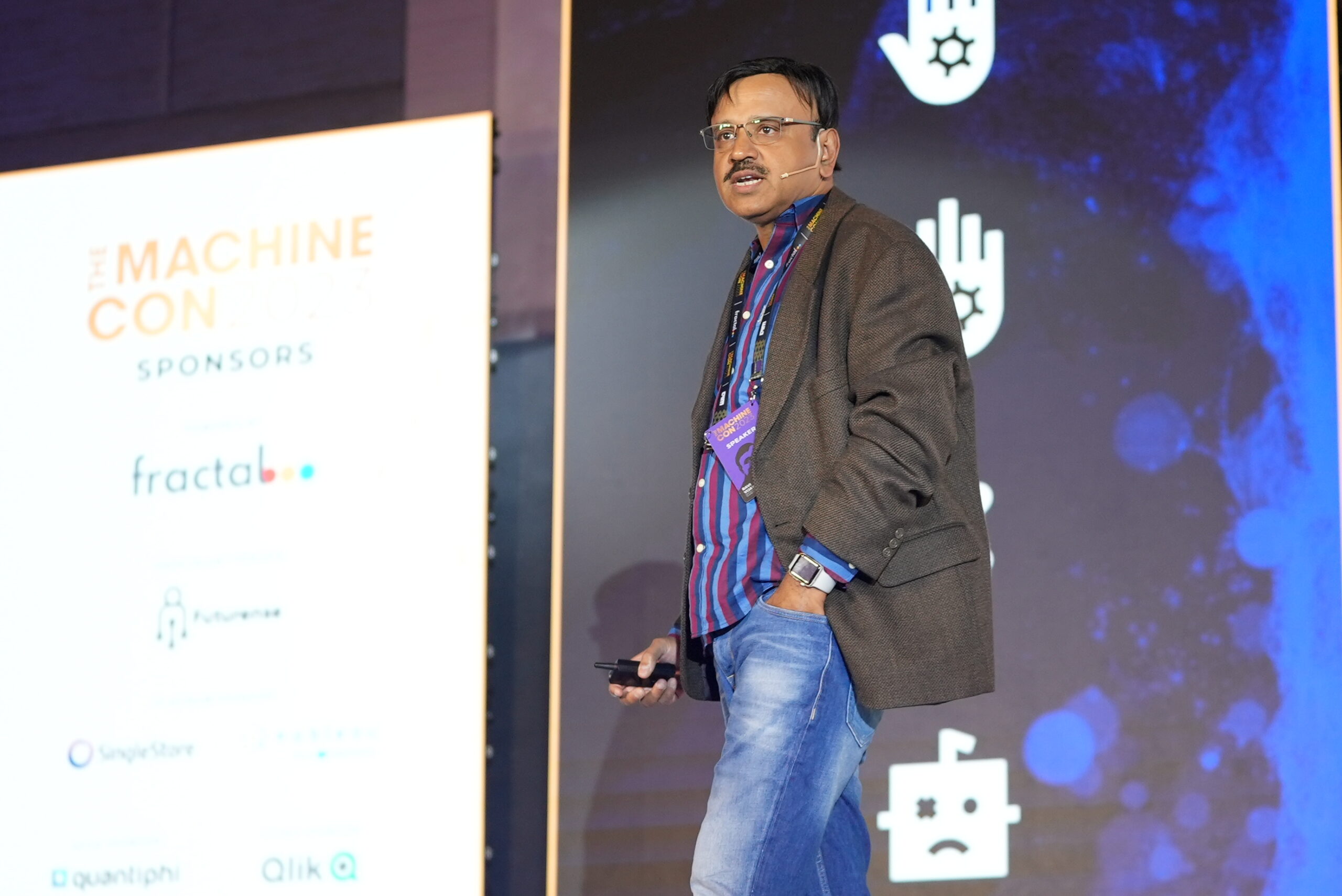
In the world of ecommerce, the use of data and analytics to enhance customer experience is becoming increasingly crucial. This was the central theme of a recent talk given by Dr. Ravi Vijayaraghavan, Senior Vice President and Chief Data Analytics Officer at Flipkart, at MachineCon India 2023.
The Power of Scale and Machine Intelligence
Vijayaraghavan began his talk by emphasizing the importance of scale in ecommerce. With around 500 million registered users, 150 million products, and billions of monthly visits, Flipkart operates at a massive scale. This necessitates the use of machine intelligence, as manual operations simply cannot keep up.
The Three Pillars of Flipkart's Data Strategy
Vijayaraghavan outlined three key areas where Flipkart leverages data:
- Measurement Science: This involves using statistics and machine learning to create a hierarchical structure for targets, connecting strategy to execution through data.
- Data-Assisted Human Decisions: This includes classic business analytics, such as deciding what categories to invest in, how to drive growth, and operational and planning initiatives.
- Data-Assisted Machine Decisions: This involves using AI for tasks like discovery, search, recommendations, personalization, listing quality, selection, and trust and safety.
The Importance of Assortment Design
One of the key areas where Flipkart uses data and analytics is in assortment design, which is crucial in ecommerce. Assortment design involves determining the width, depth, and quality of the assortment needed. Width refers to the number of product lines, depth refers to the variety within each product line, and quality refers to bringing in the right designs.