


Instagram, created in 2010, began as a simple photo-sharing programme with rudimentary filters that allowed users to improve and stylize their photographs. The site soon became popular because of its user-friendly layout and visually appealing features, gaining millions of users in its first few months. Instagram was bought by Facebook (formerly Meta Platforms, Inc.) in 2012 for around $1 billion, giving Instagram access to Facebook's massive resources and experience, notably in artificial intelligence (AI) and machine learning (ML).
With Meta's support, Instagram set off on a road of fast innovation and expansion. By 2014, the platform began to use machine learning algorithms to increase content personalisation and spam detection, greatly improving user experience and platform security. From 2015 to 2019, advanced AI-driven features were introduced, including the enhanced Explore tab, AI-powered face filters, and augmented reality (AR) effects, as well as natural language processing (NLP) algorithms for comment moderation and personalised video recommendations via IGTV.
The Early Years: Laying the Foundation (2010-2014)
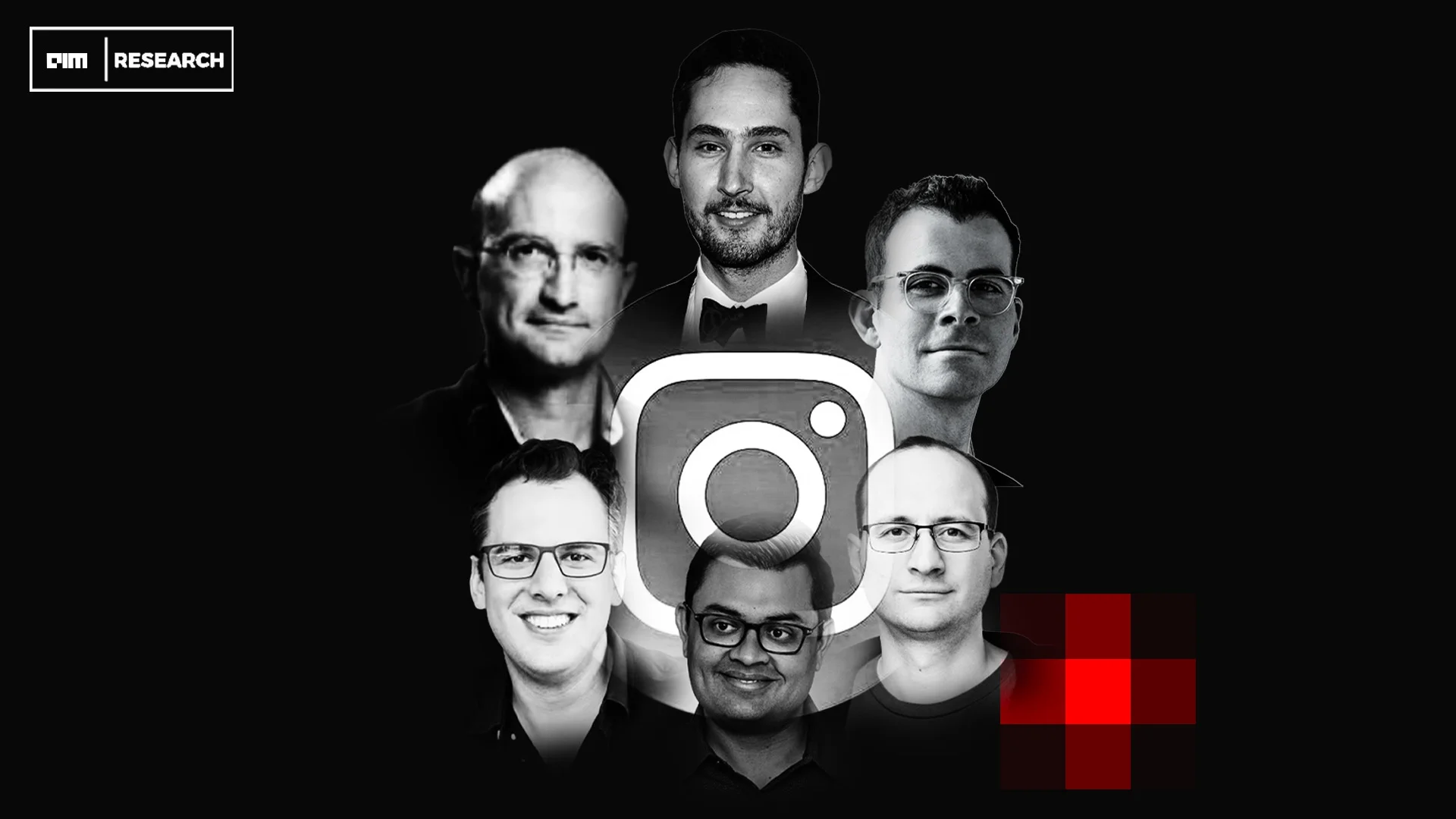
Instagram's journey with AI began subtly but significantly in 2010, when Kevin Systrom and Mike Krieger founded the platform. Their initial focus on photo sharing with basic AI-powered image filters laid the groundwork for more sophisticated AI applications in the future.
