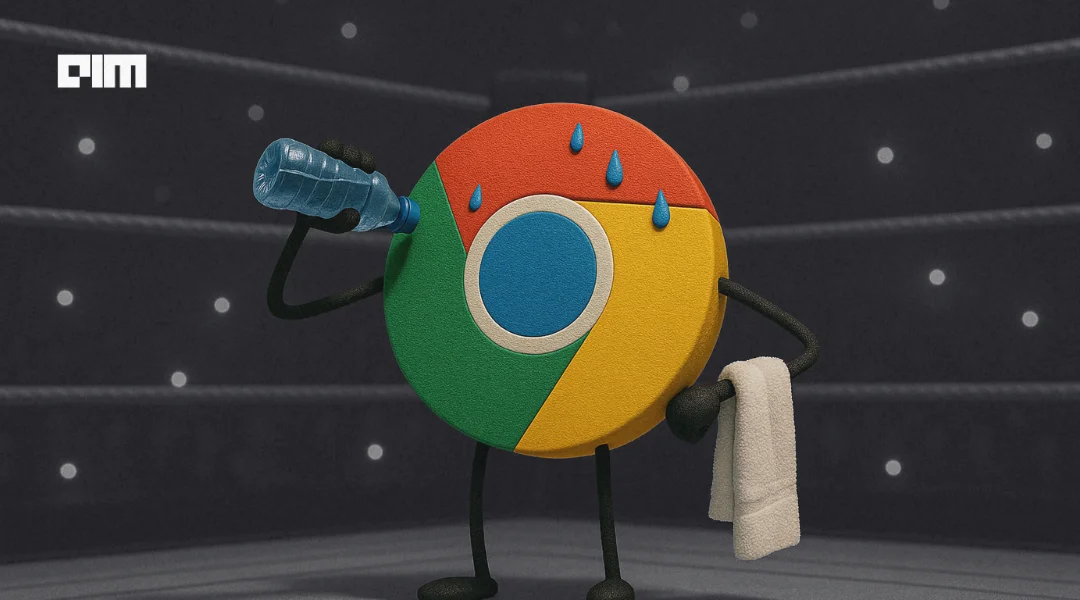
In the late 1990s, Microsoft’s Internet Explorer crushed Netscape Navigator by bundling the browser with Windows and giving it away for free. Two decades later, Google Chrome pulled ahead with speed, extensibility, and better adherence to open web standards. Today, Chrome holds over two-thirds of the browser market. But a new front is opening up, around the potential impact of artificial intelligence.
Perplexity CEO Aravind Srinivas made the stakes clear on X: “I had reached out to Chrome a long time ago to offer Perplexity as a default search engine option. They refused. [So], we decided to build the Perplexity Comet browser.” The new AI arms race in browsers is about control over user data, something that underpins search, advertising, and increasingly, AI personalization.
A Quick Breakdown of the Emerging AI Browsers
- Comet (Perplexity): Chromium-based with full assistant, agentic actions, and strong user feedback. Emphasizes task automation and privacy.
- OpenAI (upcoming): Will include native ChatGPT and Operator agents. To be built on Chromium, aimed at ChatGPT’s existing user base.
- Brave with Leo AI: Offers both cloud and local AI via Ollama. Strong on privacy, but narrower in scope than Comet.
- Strawberry: Uses autonomous AI companions for browser-based task execution. Focused on productivity and automation.
- Dia: Offers AI chat search and programmable skills. Reception has been mixed, with performance and feature gaps cited by users.
- Opera Neon: Continues active development. Incorporating AI into its multi-platform suite, but has not yet released a browser at the level of Comet.
Most browsers with AI functionality launched since 2024 are based on Chromium. This has allowed them to maintain compatibility with Chrome extensions and to reduce switching friction for users accustomed to Google’s interface. However, simply layering a chatbot onto Chromium will not be sufficient to attract or retain users. And that is something that rivals like OpenAI are looking to move beyond.