

Otter.ai is pushing beyond transcription to become a platform embedded in enterprise workflows. Its newly announced enterprise suite introduces APIs, agentic AI to shuttle data between transcripts and CRMs or project tools, and a unified repository for organizational conversations. That shift places it in more direct competition with Microsoft, Google, and specialized rivals like Fireflies. But the move comes amid friction: a recently filed class action lawsuit alleges Otter secretly records conversations without full consent and uses them to train its models. The company’s enterprise ambitions may depend on how well it manages legal, privacy, and trust risks while scaling.
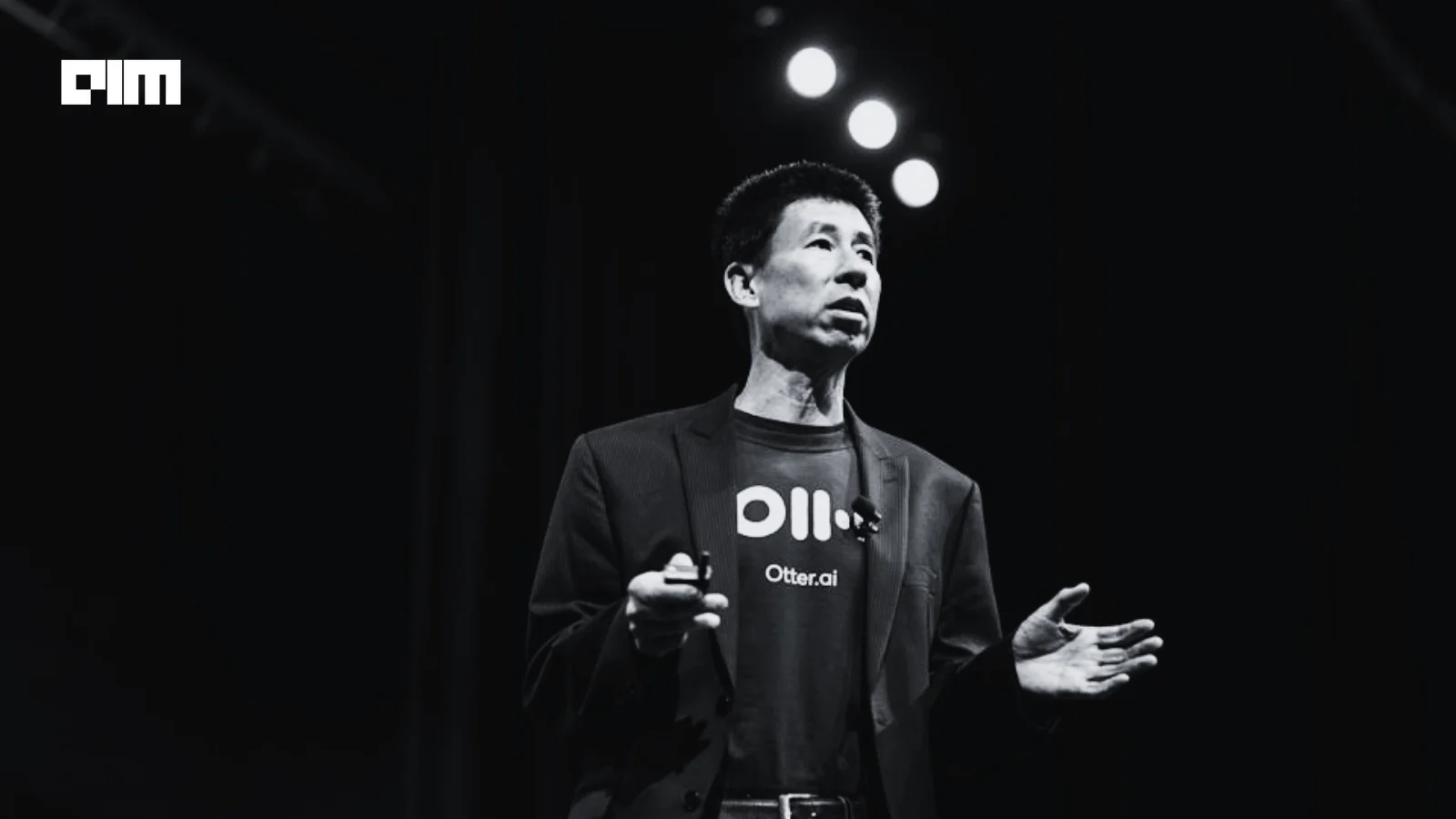
Otter began as a transcription tool integrated with Teams, Zoom, and Google Meet. On October 7, 2025, it unveiled a cross-platform enterprise suite designed to extract intelligence from unstructured voice data and assemble a “central repository for conversations” so insights don’t stay siloed. “Without a central repository for conversations, valuable insights go untapped,” the company argues. Sam Liang, co-founder and CEO, told Computerworld, “What started as a consumer app has become an enterprise tool… we wanted to ensure we were building not just a great individual AI tool, but a serious enterprise player.” Liang added that Otter now has “over 25 million global users”.
In a conversation with ITPro, Liang described the bidirectional flow of data: “The data can automatically be put into Otter… or flow out of Otter to whatever system enterprise customers use.” New features include a Model Context Protocol (MCP) server that lets Otter collaborate with external AI models like Claude or ChatGPT. Its agentic AI can extract action items, schedule follow-ups, screenshot slides, and help users “chat” with transcripts in real time. The company also claims HIPAA compliance and offers admins granular controls over meeting permissions and data sharing.
