


Running a brick-and-mortar business has always been a juggling act. From managing inventory and payroll to maintaining equipment and ensuring stellar customer service, small businesses operate on tight margins and even tighter schedules. The phone—once a lifeline for connecting with customers—has increasingly become a source of frustration. Phone calls interrupt crucial tasks, stretch staff resources, and, when unanswered, risk alienating customers. Restaurants, in particular, bear the brunt of this pain, with 70% of their customers still opting to call for reservations despite the availability of online booking platforms like OpenTable and Resy. Slang.ai, a company determined to transform the humble phone call from a headache into a seamless, revenue-driving asset.
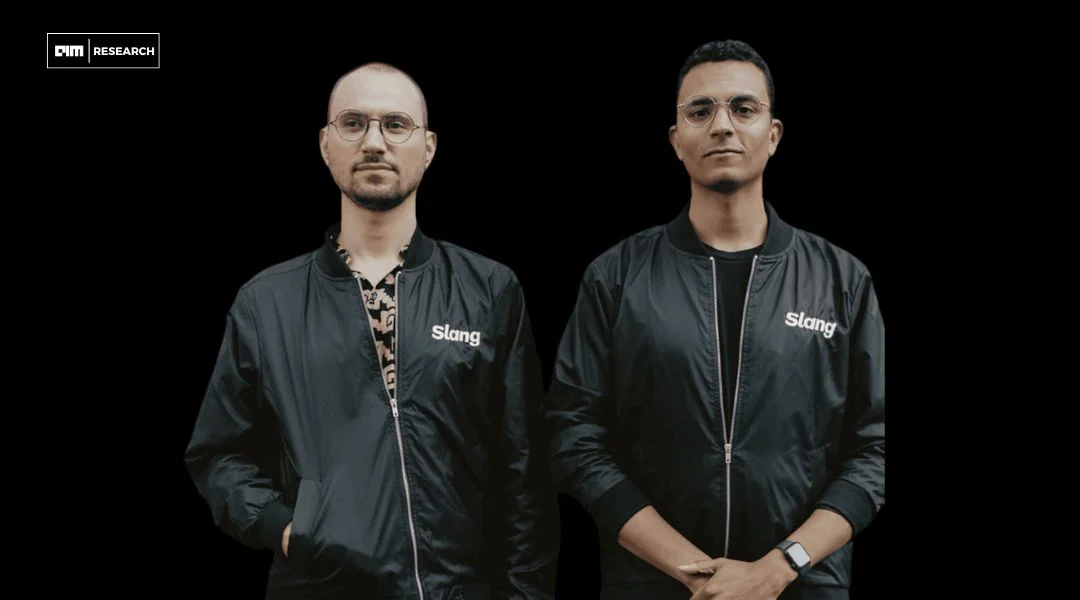
The co-founders of Slang.ai, Alex Sambvani and Gabriel Duncan, are no strangers to innovation. While working at Spotify as data scientists, they specialized in using AI to scale personalized experiences. Their journey began with a Spotify hackathon, where they created a personality-driven voice AI prototype that won the competition. This experience planted the seeds for Slang.ai. But the true "aha moment" came later, when Sambvani’s aunt, a hair salon owner, shared her struggles with handling constant phone calls while trying to run her business. Her story resonated, as it illustrated a universal challenge for small businesses: phones ring incessantly, but answering them is rarely the top priority.
“A pivotal moment was when I had lunch with my aunt, who ran a hair salon, and she talked about the challenges of answering phone calls,” Sambvani recalls. “This inspired us to focus on AI for small businesses.”
