

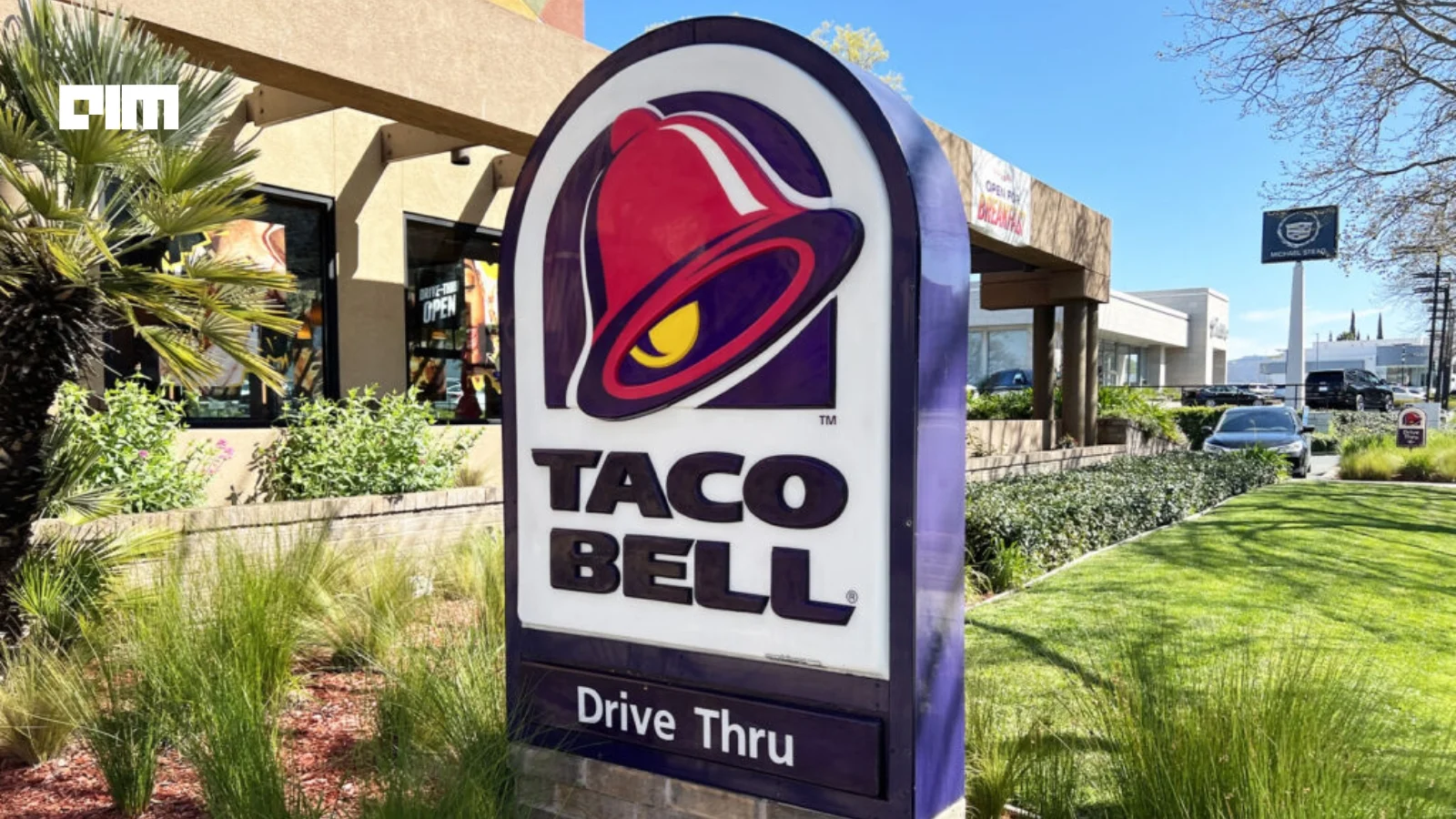
Early this year, Taco Bell introduced a voice-automation system at more than 500 U.S. drive-thrus, built on Yum! Brands’ proprietary Byte platform and powered by NVIDIA Riva speech recognition and NIM microservices running on Amazon’s cloud infrastructure. Marketed as a breakthrough in quick-service efficiency, the system promised faster service, reduced labor costs, and greater accuracy by easing pressure on staff during peak hours and expanding Yum!’s digital footprint.
But just months later, Taco Bell is reassessing. Technical glitches, inaccurate orders, and viral stunts have forced the company to question whether automation can truly carry the weight of the customer experience or not? Taco Bell is having second thoughts about relying on AI at the drive-through and the rest of the industry is watching closely.
When Automation Meets Reality
The most visible failures were cultural rather than mechanical. One viral incident saw a prankster order 18,000 cups of water, tying up the system and turning the drive-thru into a punchline online. Clips spread across TikTok and Reddit, attracting millions of views. Customers proved quicker than engineers at identifying weaknesses in automated ordering.
