


Primary research is crucial in the rapidly evolving landscape of AI and data analytics. By directly collecting fresh data through surveys, interviews, and experiments, organizations gain unique insights and a competitive edge. This firsthand information allows for the development of tailored strategies, validation of hypotheses, and the discovery of trends not visible through secondary sources. As AI and data analytics continue to transform industries, the role of primary research in guiding these advancements is indispensable.
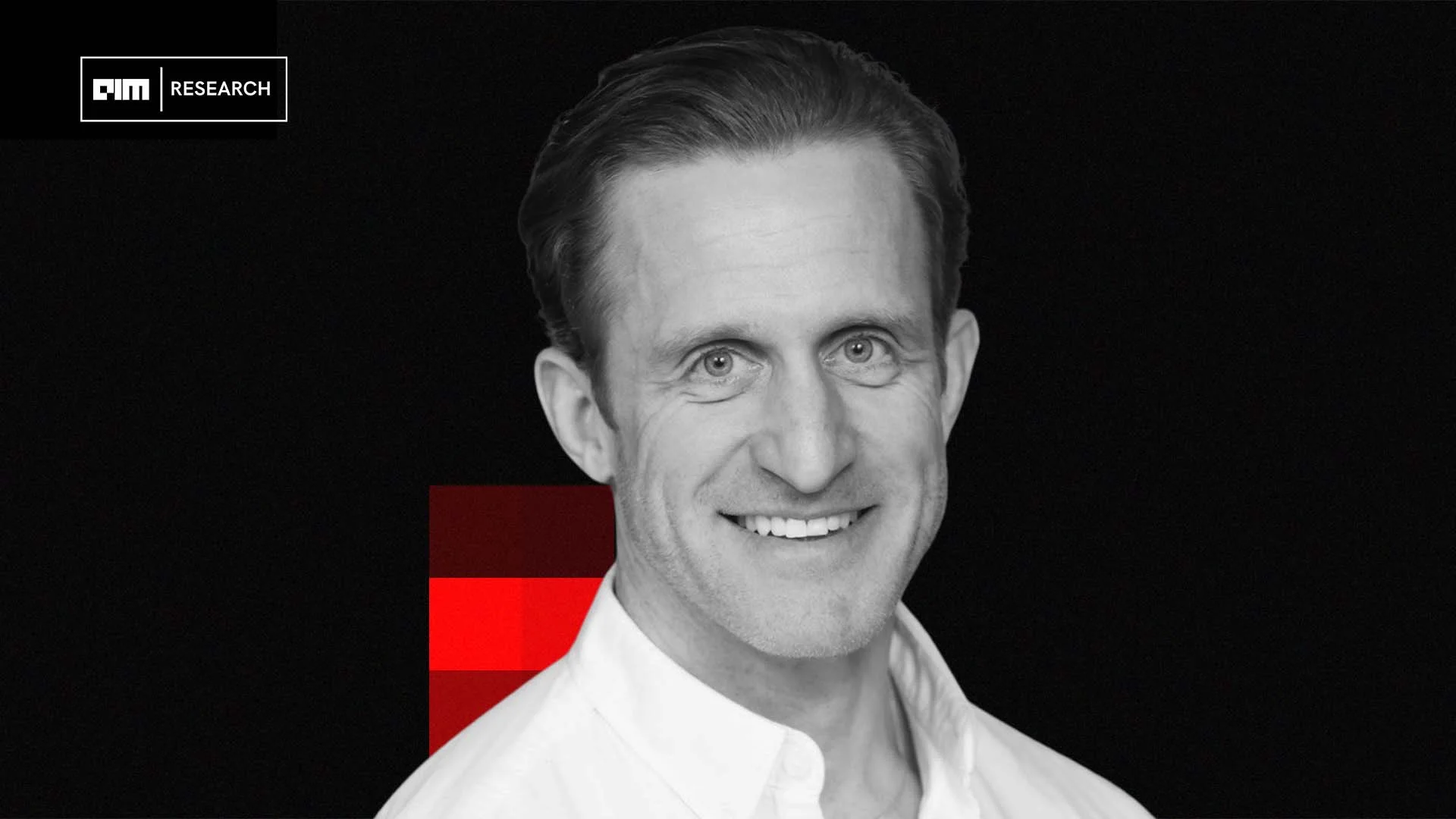
This week we have Tim Lawton, co-founder and co-CEO of SightX. Tim's innovative approach to solving complex problems in data analytics has uniquely positioned SightX to address the gaps in consumer and market research, despite his background in investment banking and the military.
We'll uncover the inspiration behind SightX, how generative AI has opened new opportunities for early-stage companies, and the unique problem they set out to solve. We'll also delve into the role of primary research in data analytics, its impact on decision-making, and the evolving trends shaping this industry. Join us as we explore how SightX is democratizing data analysis and empowering companies to compete at scale with their innovative solutions.
AIM Media House : What inspired you to start SightX with your Co-CEO?
“All of a sudden, last year, when generative AI became so public-facing and ubiquitous, it opened up another interesting opportunity for any company, particularly for earlier-stage companies.”
Tim Lawton: Interestingly, neither my co-founder, Naira Musallam, nor I came from this industry. Her background is in academia and, for a time, in consulting, running an R&D and Innovation team, but not specifically in the world we live in now. Before that, I was in investment banking and was actually in the military before that. When we met and became friends we would share ideas, and discuss this bigger picture idea that we always had. There was an opportunity to apply this new workflow automation to market research. Capturing data from an end user, who could be a consumer, a patient, an employee, a fan, and doing that at scale and speed, and more importantly, automating the analysis and insights, has historically been a very fragmented and opaque process handled mostly by market research agencies and other relationships.
