
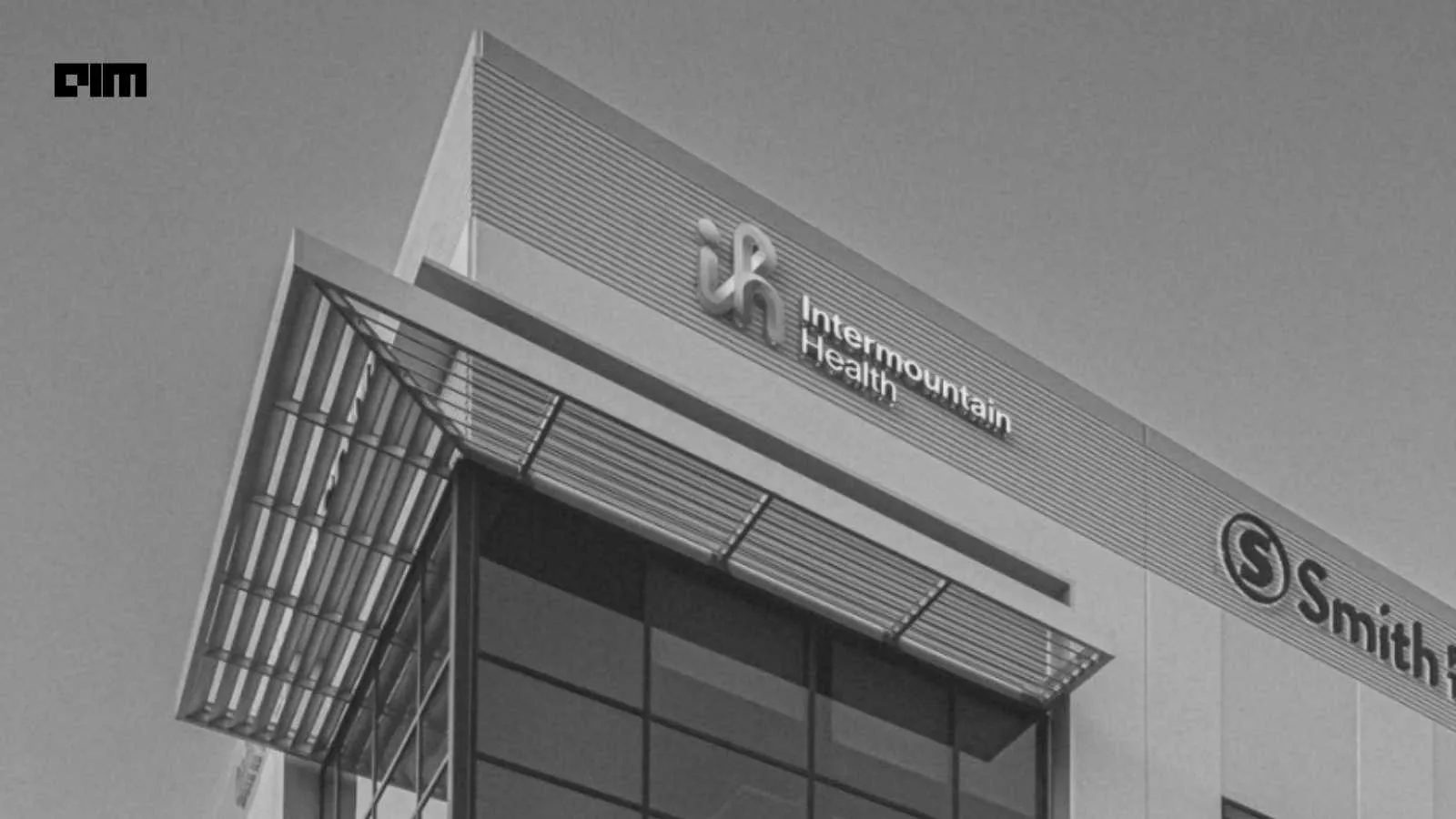
Intermountain Medical Center in Murray, Utah, has begun using GE HealthCare's SIGNA Sprint Elite MRI, a system that uses artificial intelligence (AI) to produce clearer images while reducing the time patients spend undergoing scans.
The hospital is the second in the U.S. to begin using the MRI system, according to Intermountain Health. The first U.S. hospital to deploy the technology was Inova in Virginia.
The 1.5T MRI is designed for applications including cardiac and oncology imaging. GE HealthCare's system combines high-gradient performance with deep-learning technologies, including AIR Recon Deep Learning (AIR Recon DL), Sonic Deep Learning (Sonic DL) and AIR x.
AIR Recon DL improves image quality by increasing the signal-to-noise ratio and reducing image noise. Sonic DL accelerates image acquisition, allowing certain MRI examinations to be completed in less time.
The technology is part of GE HealthCare's broader development of AI-powered SIGNA MR technology, which uses deep learning to improve MRI image reconstruction and scan efficiency.
For cardiac imaging, the shorter acquisition times can also reduce the need for patients to hold their breath for extended periods. Intermountain Medical Center MRI Coordinator Amy Warnick said this can be particularly taxing for patients with heart problems.
Dr. Brent Wilson, a Cardiologist with Intermountain Health, said clearer images could help clinicians map injured areas of heart tissue and improve treatment.
"These clearer images allow us to use new approaches to mapping out injured areas of heart tissue, which improves our treatments. This is a big leap forward in cardiac MRI, and we're excited to be one of the first in the United States using it," Wilson said.
Faster Scans Could Expand Patient Capacity
Reducing scan time has implications beyond patient comfort. Intermountain Health said spending less time in the MRI could allow it to provide scans to more patients, potentially reducing delays in diagnosis.
GE HealthCare says Sonic DL can deliver up to 12x acceleration and up to 86% scan-time reduction in supported applications. Those figures describe the technology's stated capabilities and are not measurements reported from Intermountain Medical Center's use of the system.
The MRI's potential impact on patient throughput reflects a broader healthcare AI trend in which capacity is becoming an important measure of whether AI delivers operational value.
The deployment also adds to Intermountain Health's use of AI-based imaging in cancer care. The health system has separately deployed an AI imaging system intended to help surgeons assess breast cancer margins during procedures.
GE HealthCare said its goal with the MRI technology is to give clinicians information they can use to make timely care decisions for patients with serious conditions.
The company has also reported clinical use of the SIGNA Sprint Elite outside the U.S., including at AZ Delta in Belgium. The system's applications span cardiac and oncology imaging, among other areas, as healthcare providers look to use faster image acquisition and AI-assisted reconstruction to improve MRI workflows.
For Intermountain Medical Center, the new system represents an effort to combine faster imaging with improved image quality, while making cardiac MRI less demanding for patients and potentially increasing the number of examinations the hospital can perform.