

 Manufacturing

Most founders start companies with an unshakable belief in success. Qasar Younis, on the other hand, expected Applied Intuition to fail. It’s a rare admission in Silicon Valley, where relentless optimism is the norm, but Younis’s skepticism makes the company’s meteoric rise all the more remarkable. Today, Applied Intuition is not just another startup riding the autonomy hype train—it has become an indispensable pillar of the automotive industry, bridging the gap between Silicon Valley’s software prowess and traditional vehicle manufacturing.
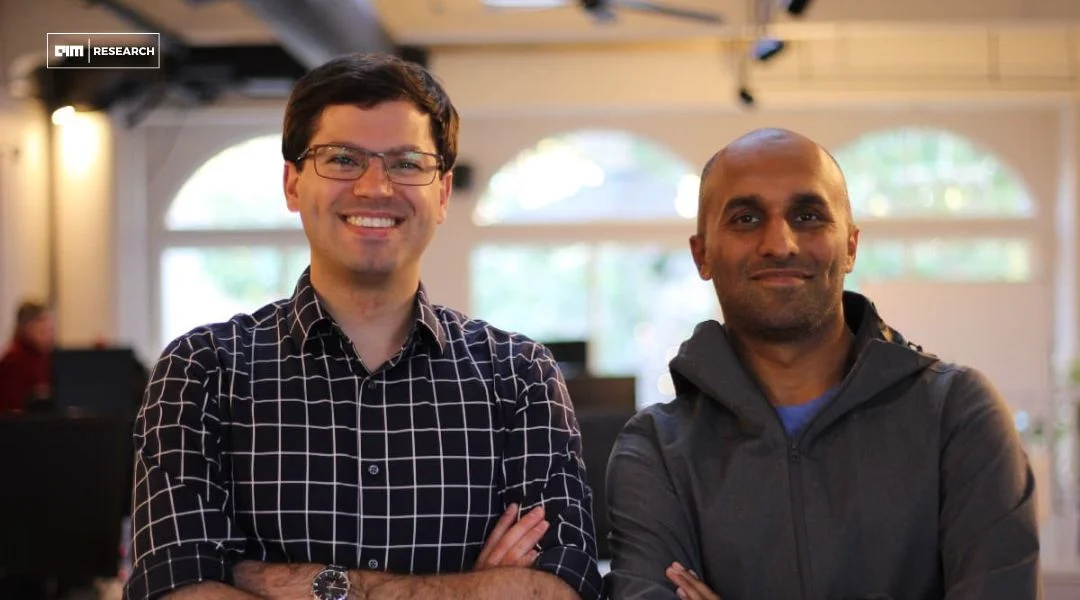
Younis and his co-founder, Peter Ludwig, grew up in Detroit’s automotive giants. Their paths converged at Google, where they both worked as product managers. When Ludwig, a serial entrepreneur, approached Younis with an idea for his third company, it wasn’t some self-driving car venture. Instead, it was something far more strategic: a software company to power the autonomous vehicle revolution from behind the scenes.
Their first instinct, back in 2013, was to start an autonomous vehicle company outright. But even then, they saw the writing on the wall—such a company wouldn’t be commercially viable. By 2016, a casual conversation between the two led them to a different realization: the real opportunity wasn’t in building the cars themselves but in providing the simulation and development tools for those who were.
