

 Manufacturing

For the past two decades, supply chain software has been a web of disconnected tools. A company that buys demand planning from one vendor will have to buy warehouse management and transportation from another and so on. Each system might optimize for itself but never deals with the other.
This mainly leads to supply chains reacting to disruptions weeks later. When the Suez Canal blockage happened in 2021, it exposed that supply chains were broken because they were architected wrong.
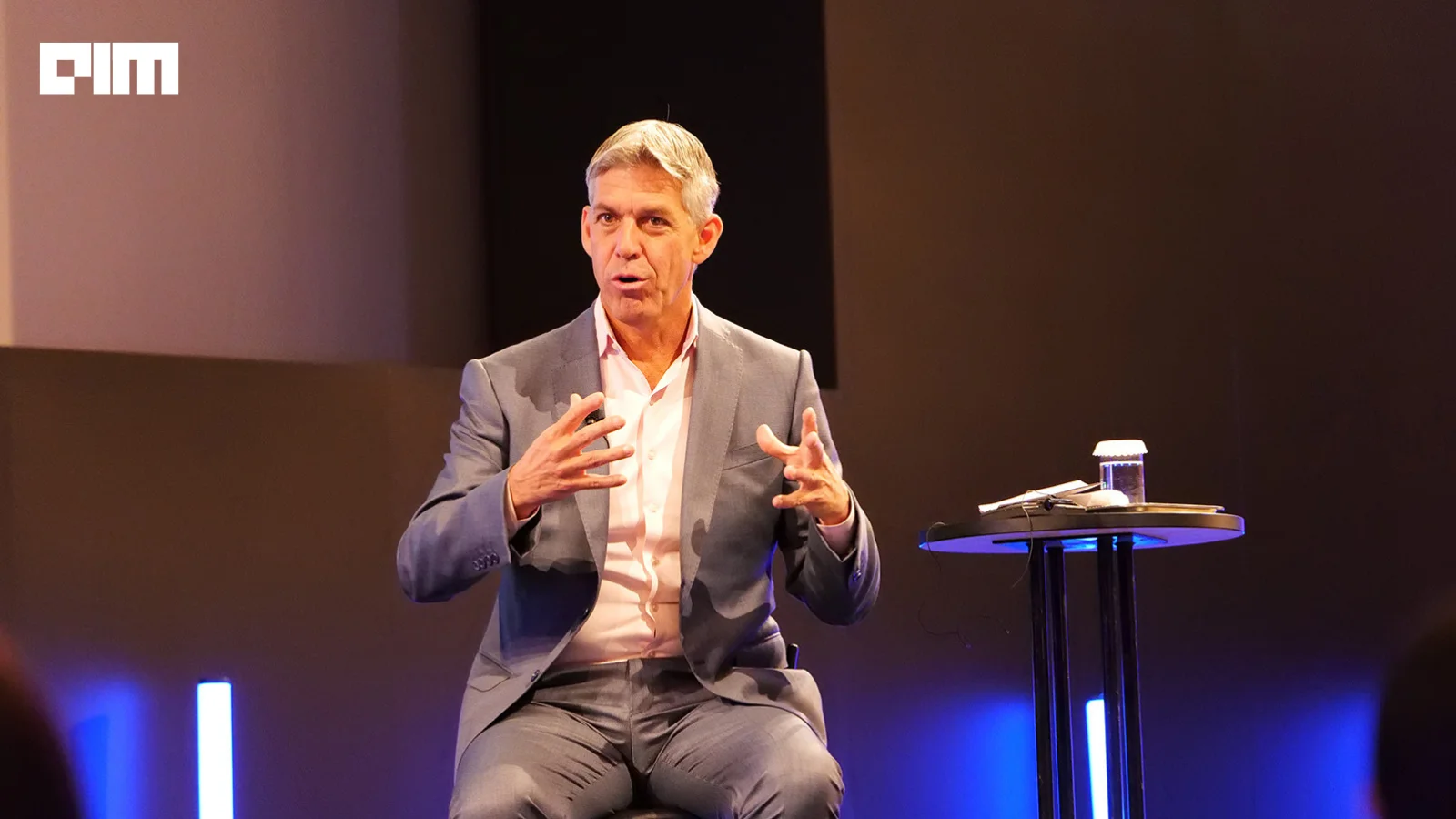
When Duncan Angove took over as CEO of Blue Yonder in late 2021, the global supply chain was experiencing what he calls an "emperor has no clothes" moment. The COVID-19 pandemic had shattered the illusion that supply chains were predictable systems that could be managed from spreadsheets and disconnected software. Companies slowly realised that their supply chains were mostly brittle.
