

 Manufacturing
When DeepMind’s Genie 3 hit the public eye, the industry did what it always does with a dazzling demo: it gasped, debated whether we were suddenly a few lines of code away from a Holodeck, then immediately began asking the harder question no one wants to ignore: does this convince businesses who actually have to ship products? Demis Hassabis, DeepMind’s CEO, framed the work in exactly the register that amplifies the awe: “We want to build what we call a world model, which is a model that actually understands the physics of the world,” he said, arguing that generating the world back again is a litmus test for a model’s depth.
That claim is intoxicating because Genie 3 does something earlier world models couldn’t. From a text prompt it spins up a 720p, 24fps 3D scene that you can walk through; it remembers where you left the paint on the wall; it lets you change the weather and watch events unfold. DeepMind’s researchers call this emergent consistency: a memory that simply appeared from training rather than from hard-coded rules, and for cognitive scientists and dreamy product thinkers it reads like proof that AI is learning to “think” about the physical world. “That part of the world is the same as you left it, which is mind-blowing, really,” Hassabis told the conversation in the file.
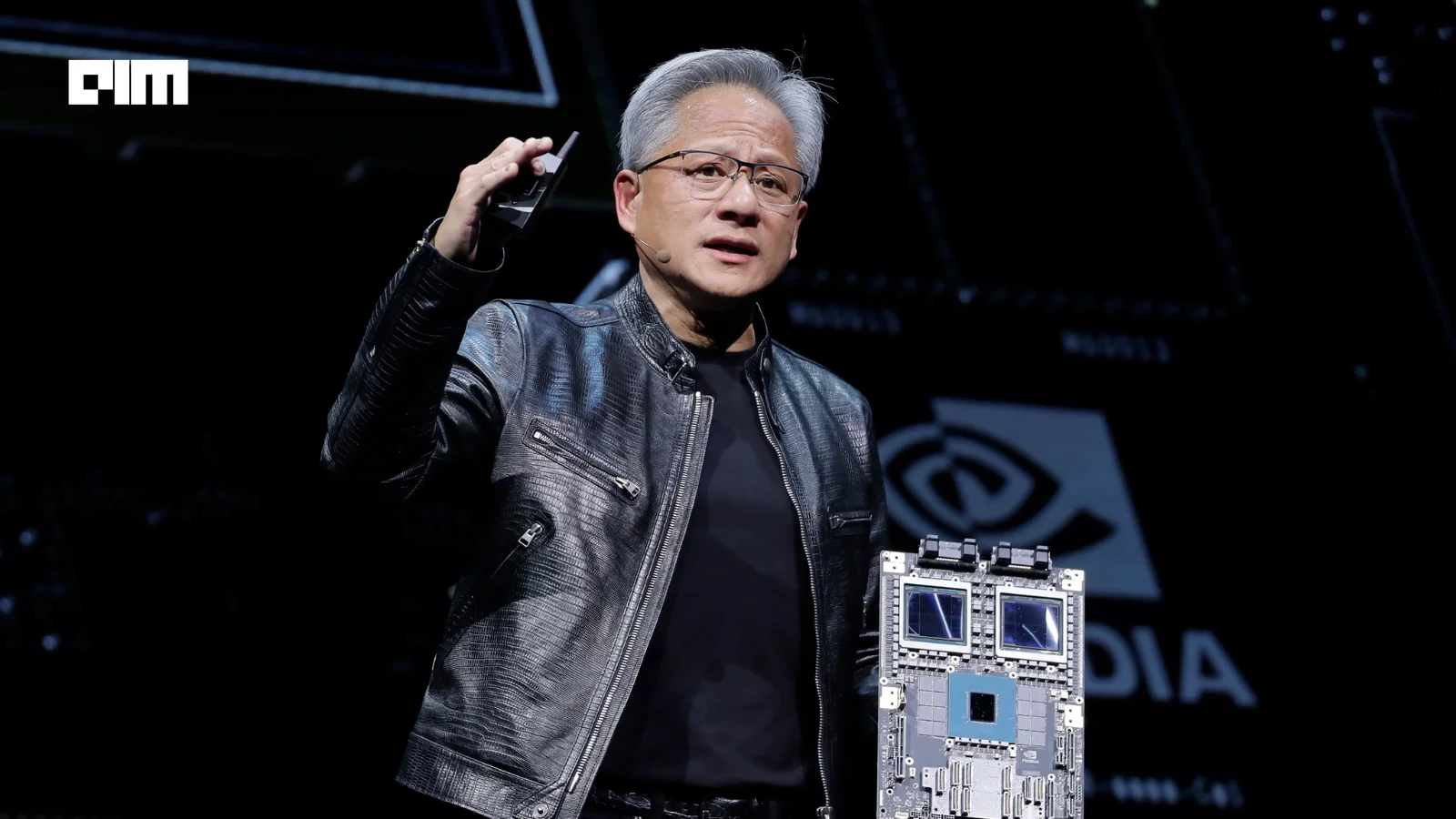
But business leaders don’t buy wonder; they buy outcomes, predictability and a way to make the numbers add up. That’s why NVIDIA’s response last week, not a single model but an industrial stack, looks a more consequential product announcement for companies planning to put robots and autonomy into factories, stores and fleets. At SIGGRAPH NVIDIA rolled out not just new models but new libraries, neural reconstruction tools, integrations with OpenUSD and explicit pipelines for synthetic data and physics-aware rendering. The kind of plumbing that turns an experiment into a repeatable deployment. As Rev Lebaredian, NVIDIA’s Omniverse head, put it: “By combining AI reasoning with scalable, physically accurate simulation, we’re enabling developers to build tomorrow’s robots and autonomous vehicles that will transform trillions of dollars in industries.”
