

 Manufacturing
As businesses across industries grapple with the transformative potential of artificial intelligence (AI), a growing number are embracing an “AI-first” approach. This shift represents a fundamental rethinking of how organizations leverage technology to drive innovation, efficiency, and competitive advantage.
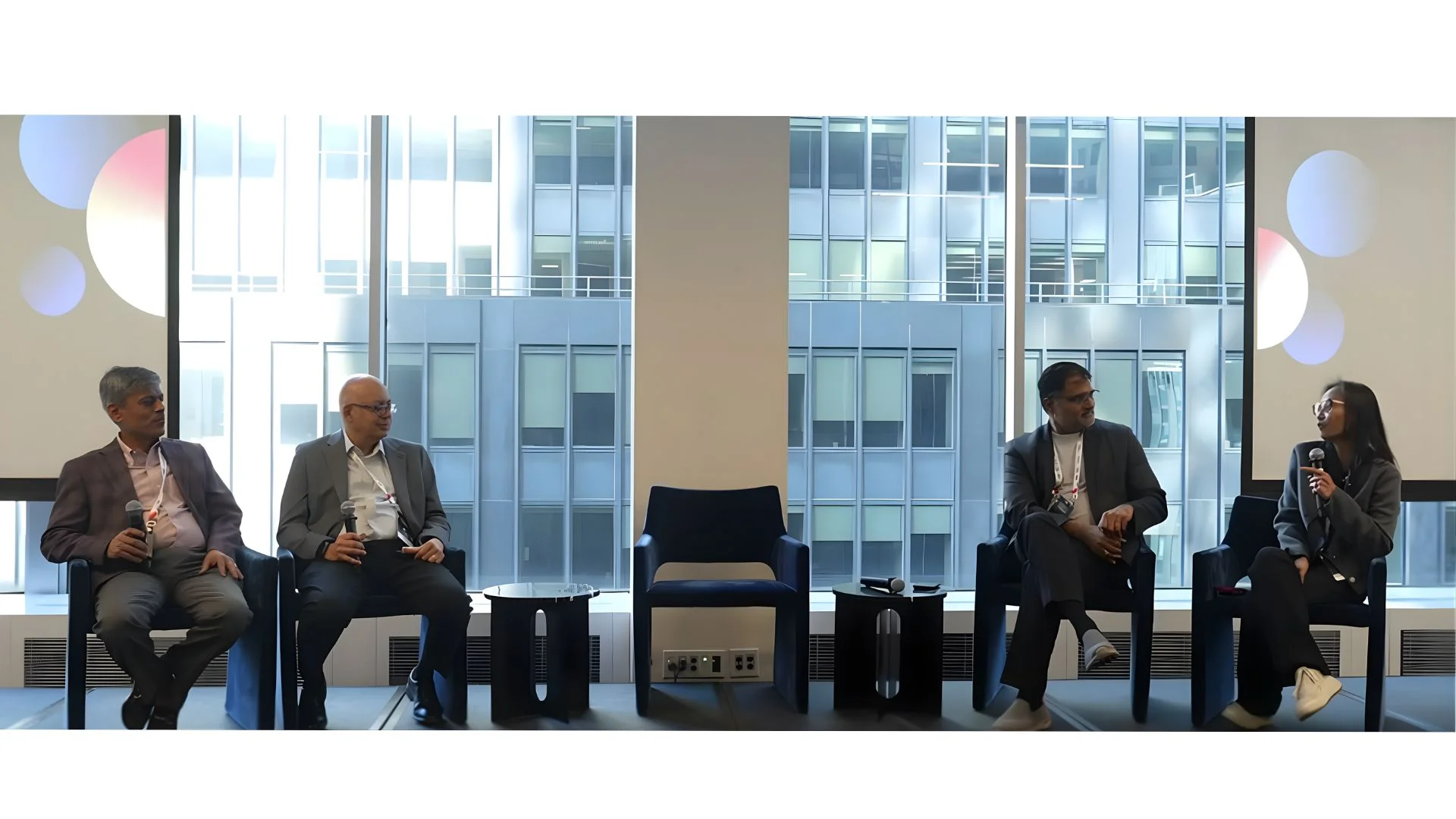
To discuss such shifts in the industry, AIM Research organized an exclusive networking event in New York, the CDO Vision New York, which brought together industry experts, CEOs, and prominent Chief Data Officers (CDOs). This event, featuring an intimate luncheon, provided a platform for insightful conversations with industry leaders from diverse backgrounds – including Elizabeth Barayuga, Director Data Science and Machine Learning at UPS, Anil Prasad, Head of Engineering – software products, data and AI/ML at Duke Energy Corporation, Avijit Chatterjee, Head of AI/ML and NextGen Analytics at Memorial Sloan Kettering Cancer Center (MSK), and Arvind Balasundaram, Executive Director, Commercial Insights & Analytics at Regeneron Pharmaceuticals, as the moderator. These leaders shared their experiences and insights on the opportunities and challenges of transitioning to AI-first models. Their perspectives offer valuable lessons for any organization embarking on this transformative journey.
Redefining the Data Landscape
At the heart of the AI-first transition lies a fundamental shift in how organizations view and utilize data. “Reimagining your data and how to use it is key,” explained Elizabeth Barayuga. “We’re a 100+ year old company, but we have to reimagine what we do with data.”
