

 Manufacturing

AI gets all the headlines, but the real magic happens in the hardware. Every breakthrough we see - from chatbots to image generators - runs on an intricate network of chips and memory systems processing unfathomable amounts of data. There's just one problem: as AI models balloon in size, we're hitting a wall. The traditional way of moving data between processors and memory can't keep up anymore. That's where Celestial AI comes in. This Santa Clara startup is rethinking the entire approach to data movement in AI systems, and they're doing it quietly, away from the spotlight.
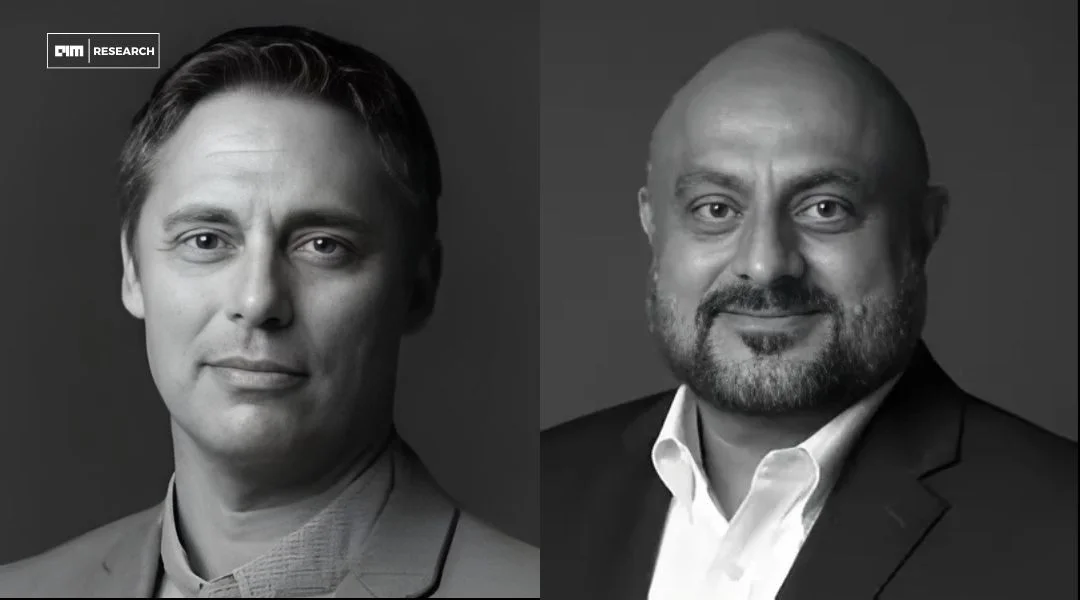
The story of Celestial AI starts with a simple but crucial insight. Back in 2020, David Lazovsky and Preet Virk saw something that others had missed: AI's biggest hurdle wouldn't be raw computing power - it would be moving data around efficiently. Both founders knew their stuff. Having spent years in semiconductors and photonics, they'd watched AI models grow so massive that no single memory chip could handle them. Their big idea? Use light instead of electricity to move data between chips.
The Photonic Fabric
The heart of the innovation at Celestial AI would be its Photonic Fabric, a technology that addresses inefficiencies in electronic interconnects. Here, data is transferred by light between compute and memory for high speed and low latency. Unlike traditional optical interconnects, which often have to convert optical signals to electrical signals at the edge of a chip, Celestial's technology delivers data directly to the point of compute, anywhere on the silicon. This removes the so-called "beachfront problem," where optical links are limited to the perimeter of a chip, and opens up new possibilities for bandwidth and efficiency.
