

 Manufacturing
The term "digital transformation" is often used to describe various changes taking place in companies today, but what does it truly entail? Digital transformation is a comprehensive process that involves a wide range of activities within and outside the organization. In essence, it refers to the process of reshaping how a company operates to remain competitive in the digital era. This transformation encompasses the infusion of digital tools, methods, and processes into every aspect of the company's operating model, including processes, business models, products and services, customer experience, technology, and corporate culture.
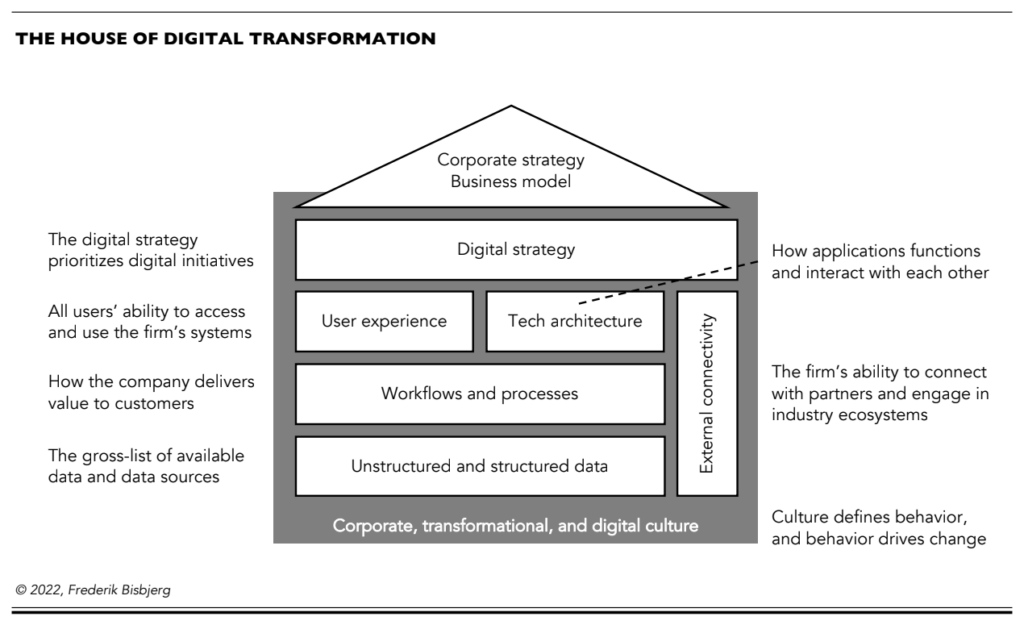
A key aspect of successful and competitive businesses in the future is the ability to deliver products and services efficiently, while keeping costs low and maintaining high service levels. Achieving this requires the automation and optimization of the firm's processes, which lies at the core of any digital transformation initiative. By automating and optimizing processes, companies can enhance their efficiency and responsiveness, leading to improved performance and competitiveness.
Moreover, digital transformation involves a shift in the company's business model, exploring new ways to generate revenue and distribute products and services to customers. For instance, the adoption of digital tools and channels can eliminate the need for intermediaries, enabling companies to directly connect with customers.
