

 Manufacturing
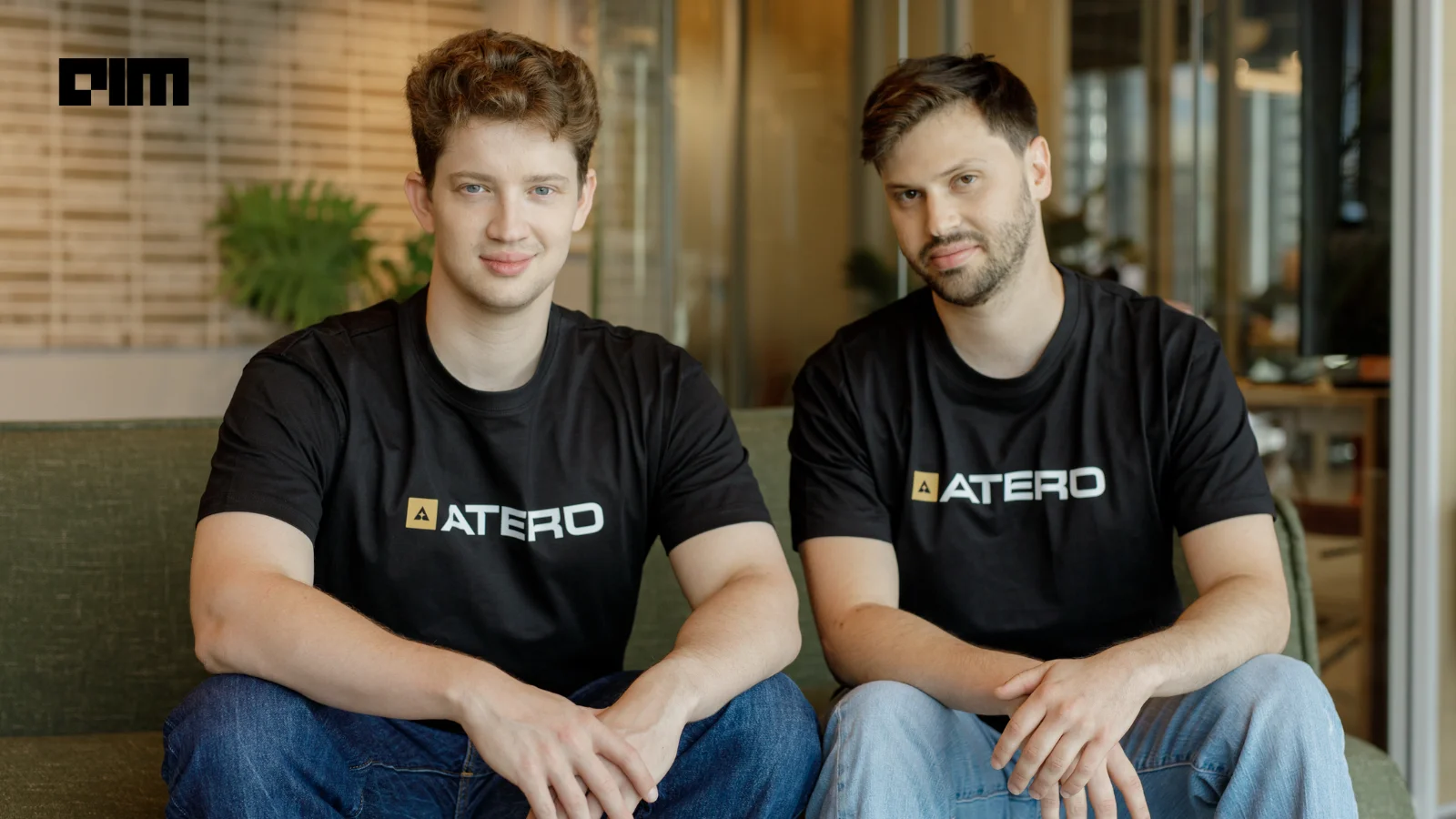
“Training was all the rage for the last few years,” Atero founder Alon Yariv told TBPN in a recent interview. “People all of a sudden realize that they need to make money off of AI and inference is the only place that you actually make any money building a model.”
Inference, the process of serving a trained model so it can respond to user requests, is where the economics of AI are decided. It powers chatbot reply, every image generation, every automated email suggestion. The cost of delivering those outputs at scale is what determines whether AI companies can make money. Yariv’s team built Atero around that problem, focusing on memory as the bottleneck. “Models are huge. They’re about 1000 times larger than standard containerized applications. Just how much time it takes to put it into a GPU,” he explained. On top of that, user sessions can weigh gigabytes. Atero’s solution was a unified memory layer that moves assets across a GPU cluster quickly, allowing utilization rates to rise and latency to fall.
This week, Crusoe acquired Atero in a deal estimated at $150 million. The company is keeping Atero’s 25-person team together and turning its Tel Aviv office into Crusoe’s first presence in the Middle East. The acquisition comes as Crusoe positions itself as one of the most aggressive infrastructure providers in the AI sector. Founded in 2018, the company first became known for using stranded energy from oil and gas fields to power crypto mining operations. Over the last two years it has pivoted toward AI, raising more than $600 million to build large data centers and launching its own cloud platform designed for machine learning workloads.
