

 Manufacturing

Former Navy SEAL Brandon Tseng was haunted by a recurring question in 2015: why didn’t his team have better ways to see inside buildings during raids? Every mission brought uncertainty—what lay behind closed doors could be deadly, and the margin for error was slim. These high-stakes operations made it clear that artificial intelligence (AI) and autonomous systems had the potential to revolutionize military missions. What if a small, self-piloted vehicle could scout ahead, entering dangerous buildings or exploring tunnels without risking human lives? What if fighter jets could be flown by AI, transforming them into powerful assets without needing human pilots?
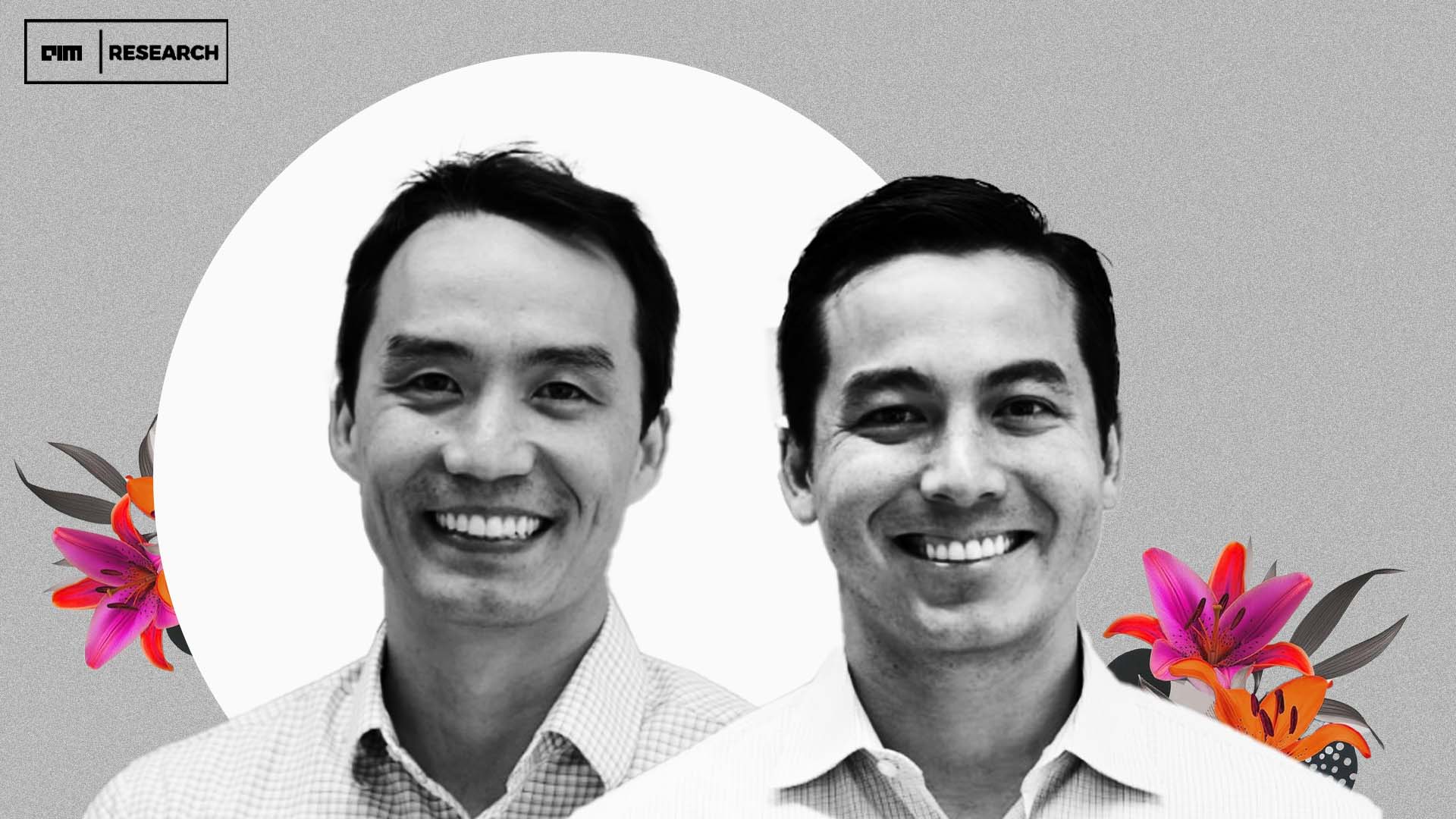
Driven by these questions, Tseng reached out to his brother Ryan, a tech enthusiast who had already built a wireless cellphone charger in college. Together with Andrew Reiter, an expert in AI and software, they founded Shield AI. Their ambitious goal? To build intelligent systems that could protect both service members and civilians. From its inception, Shield AI looked toward the future of military operations, where AI would power a new generation of autonomous systems.
The Birth of Hivemind
The company's breakthrough came with the development of Hivemind, an AI-powered pilot system designed to operate military aircraft autonomously. Brandon Tseng describes Hivemind as “self-driving technology for aircraft,” enabling mission execution with no need for a remote pilot, communications, or GPS. This game-changing technology allows aircraft to function independently, even in contested environments where traditional navigation tools like GPS are compromised.
