

 Manufacturing

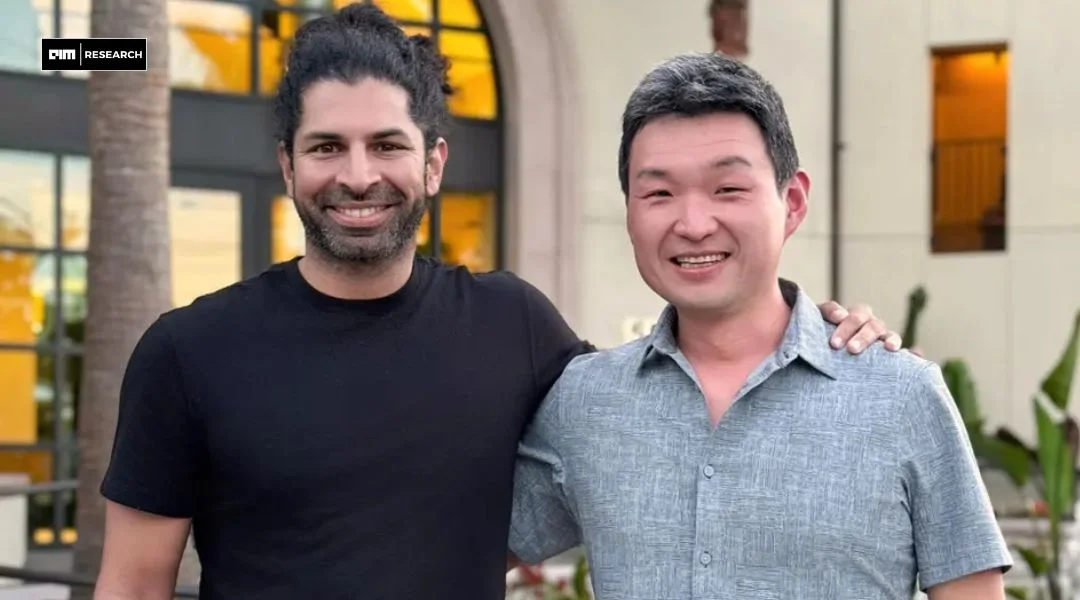
In 2021, Russ d’Sa, formerly at Twitter, and David Zhao, a Motorola veteran, launched an open source project called LiveKit. At the time, it aimed to solve a growing but under-addressed problem: transmitting high-bandwidth, real-time audio and video with low latency, reliability, and scale. Within months, large companies like Spotify, Oracle, and Reddit began asking for a managed version. That interest led to LiveKit Cloud, a commercial layer built atop their open source foundation. Today, LiveKit powers media infrastructure for names like Meta, Microsoft, and OpenAI, and counts over 100,000 developers on its cloud and open source platforms.
The company, which began during the pandemic as a tool to make communication easier, has now positioned itself at the core of the voice AI boom. When OpenAI launched ChatGPT Voice Mode in September 2023, it did so in partnership with LiveKit. That same week, LiveKit released its own open source voice agent framework, making it easier for developers to create voice-first AI applications. What was once seen by many investors as a speculative interface “3–5 years out,” quickly turned into a full-fledged sector accelerated further by the debut of GPT-4o. LiveKit Agents was used in every GPT-4o voice demo, cementing its infrastructure as a staple of the emerging voice AI stack.
“If OpenAI is building the brain, LiveKit is building the nervous system to carry signals to and from that brain,” Russ D’Sa said.
