

 Manufacturing
In AI development, a performance breakthrough often depends less on algorithms than on the code that connects them to the hardware. The specialized “kernel” programs that run on GPUs can determine whether a model operates at full speed or wastes costly computing resources. Writing that code is slow, labor-intensive, and typically done by a small pool of engineers at large tech companies: a constraint that has shaped the economics of AI infrastructure for years.
When Waleed Atallah talks about GPU programming, he frames it as a bottleneck that has shaped, and limited, AI’s infrastructure for years. “GPUs are the workhorses behind modern AI. But writing code for them remains an archaic, manual, and expensive process,” he wrote in announcing his company’s recent seed round. “Performance still depends on a small group of highly specialized engineers, and the best code is often locked away inside hyperscalers.”
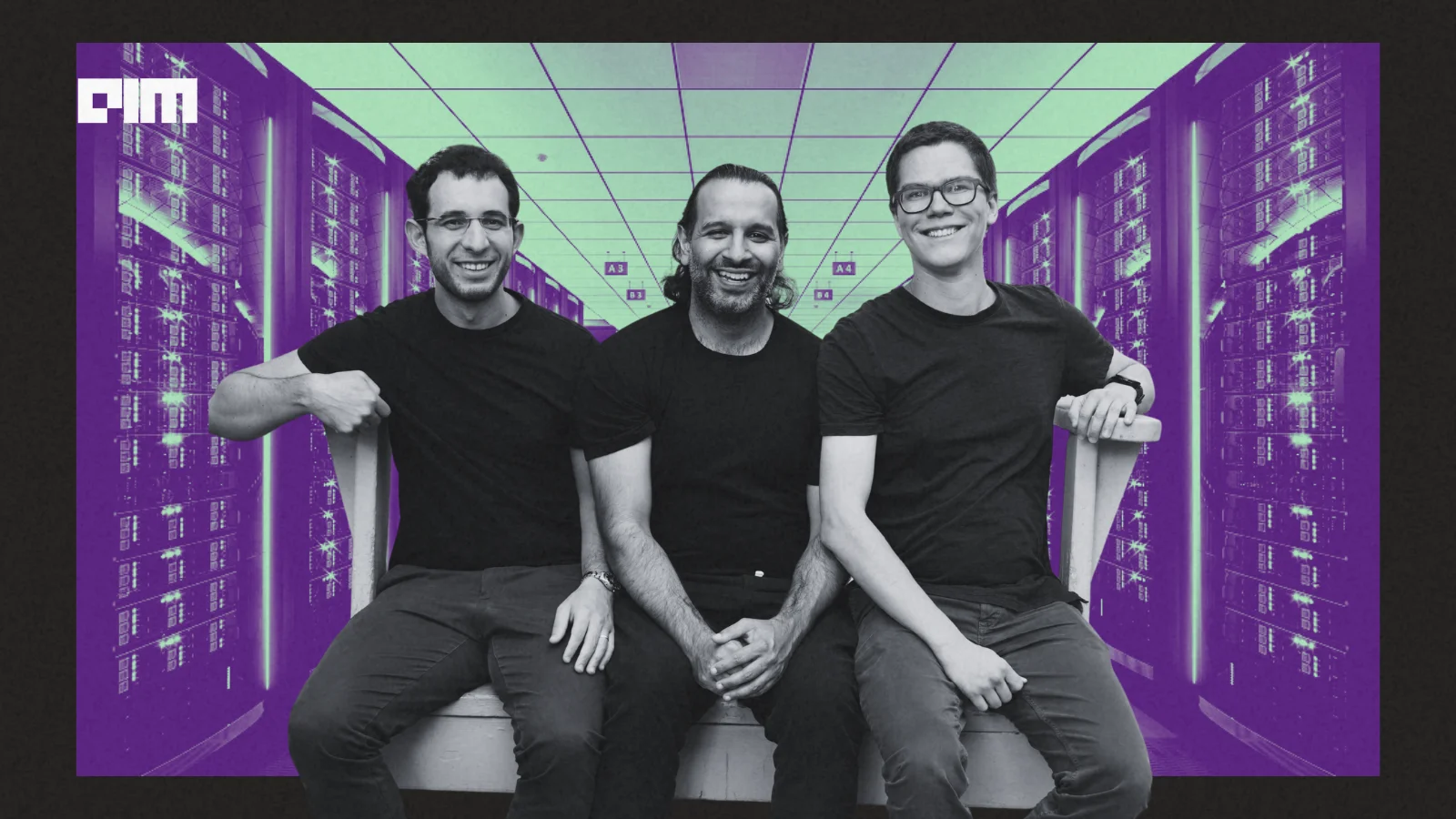
Atallah is co-founder and CEO of Mako, a New York–based startup developing AI systems that write and optimize the low-level “kernel” code that allows software to run efficiently on GPUs. The company has raised $8.5 million in seed funding led by M13, with participation from Neo, Flybridge, K5 Global, Irregular Expressions, and others. Mako has also signed partnerships with AMD and Tenstorrent, signaling early alignment with chipmakers that are competing for share in the AI hardware market.
