


Enterprise AI, in production.
    Four desks, one beat.

    Nuro’s $6 Billion Road to Everyday Autonomy

    ManufacturingNews

    Nuro’s $6 Billion Road to Everyday Autonomy

    In a sector obsessed with passengers, Nuro’s delivery-first play has made it the outlier. Some call it a distraction, others the only autonomy that actually works.

    Last updated

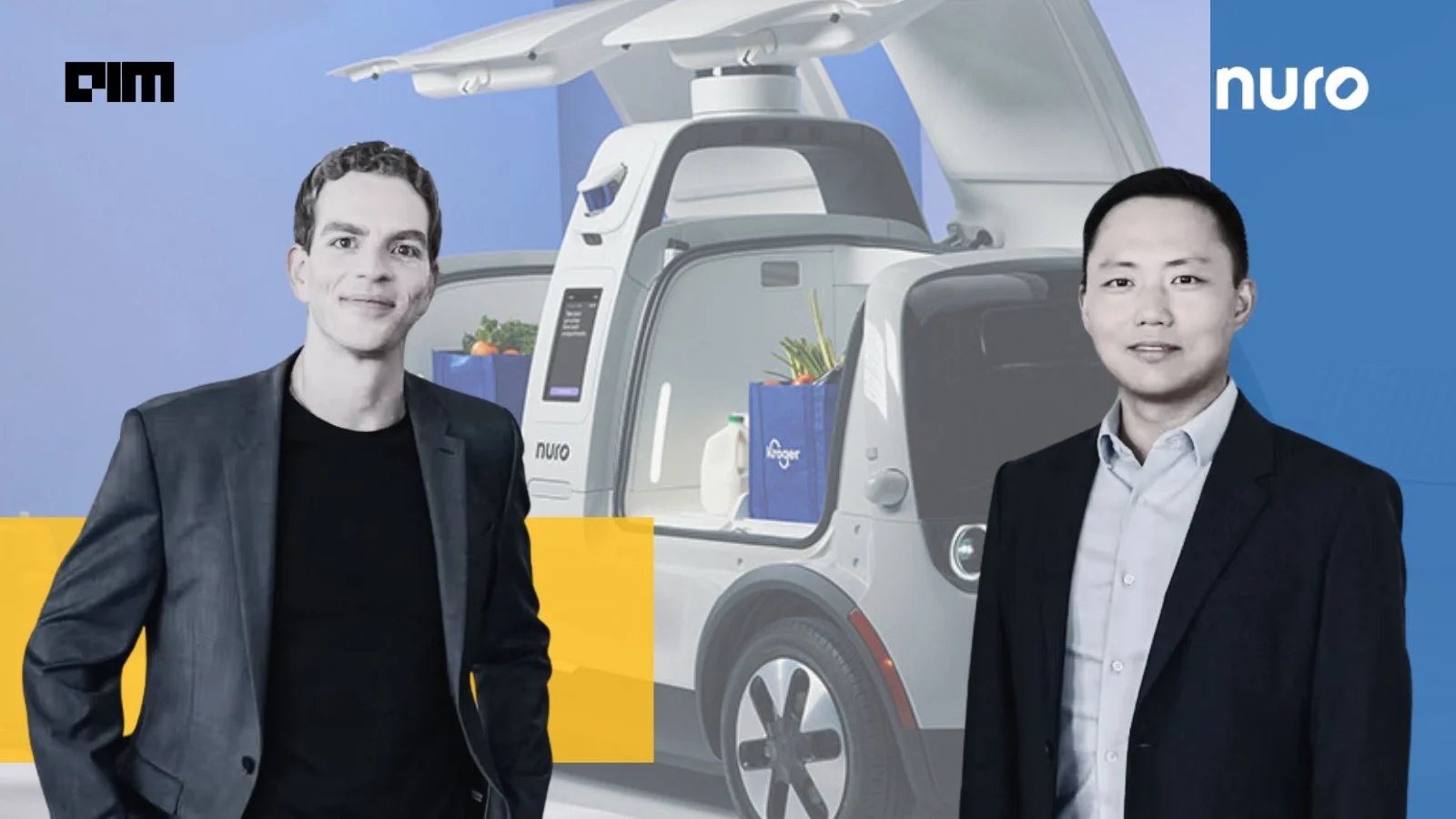
    “We saw an opportunity to improve people’s lives by building a new class of vehicle designed from the ground up to move things instead of people,” says Dave Ferguson, co-founder of Nuro.

    Since 2016, the Mountain View startup has gone from a sketch by two former Waymo engineers to one of Silicon Valley’s most closely watched robotics bets. Its compact machines have delivered groceries, prescriptions, and pizza. Now its software is being licensed to power autonomous ride-hailing fleets.

    It’s an ironic twist for Ferguson and his co-founder Jiajun Zhu, both veterans of Google’s self-driving car project, later spun out as Waymo, which made headlines chasing the robotaxi dream. At Nuro, they decided to aim lower and in the process, may have found a clearer path.

    Betting on Boxes, Not People

    Inside Google’s self-driving car project, Dave Ferguson worked on algorithms that could help machines make sense of the unpredictability of traffic. His co-founder, Jiajun Zhu, focused on building the perception systems that allowed vehicles to recognize and respond to their surroundings. Both saw up close how far passenger autonomy still had to go. Regulators were cautious, the public was torn between curiosity and concern, and the cost of even a single mistake was measured in human lives.