

 Manufacturing
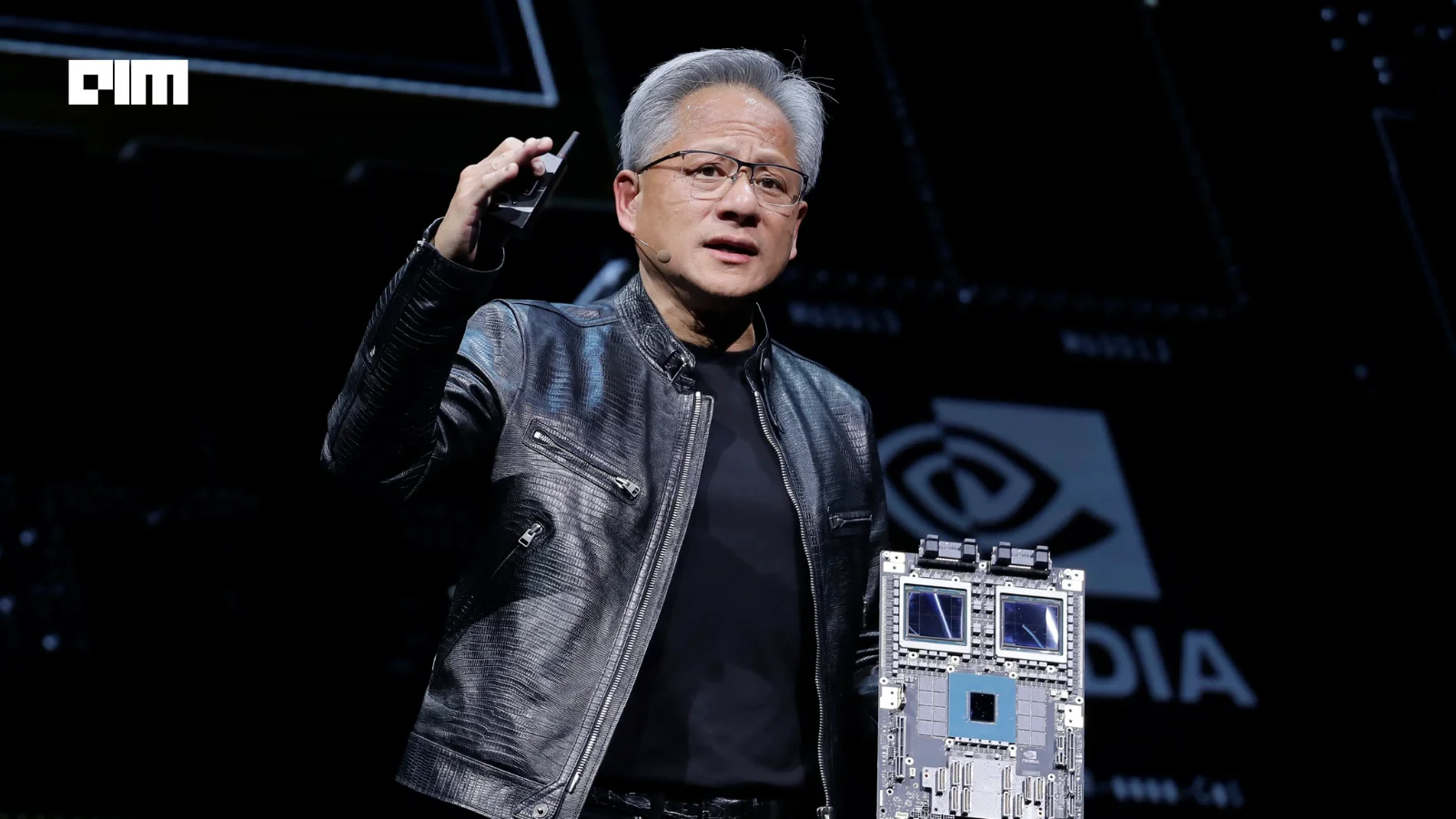
“[Jetson AGX Thor is] the physical computer that’s inside the robot, the so-called robot brain.” That’s how Deepu Talla, Nvidia’s vice president for robotics and edge AI, described the company’s new $3,499 developer kit last week. The chip, 7.5 times faster than its predecessor, is designed to run Gen AI models in real time, small enough and efficient enough to live inside a humanoid robot. Peggy Johnson, the CEO of Agility Robotics, promised that “the powerful edge processing offered by Jetson Thor will take Digit to the next level,” referring to the company’s warehouse robot. Boston Dynamics is wiring the same chip into its Atlas humanoid.
Nvidia calls it a “robot brain.” But brains don’t walk. And the last half decade of robotics has shown that faster chips are not what’s holding the field back.
“A Cruise vehicle … dragged a pedestrian approximately 20 feet before coming to a complete stop.” That comes from a federal description of a 2023 accident in San Francisco. Cruise’s robotaxi, built on Nvidia’s chips and surrounded by sensors, failed when it mattered most. The company was forced to suspend service, pay fines, and submit to stricter oversight. Waymo, widely considered the careful sibling in the autonomous driving world, has had to issue recalls and software patches after its cars clipped barriers, an acknowledgement that even with millions of autonomous miles logged, rare situations keep slipping through the cracks.
