

 Manufacturing

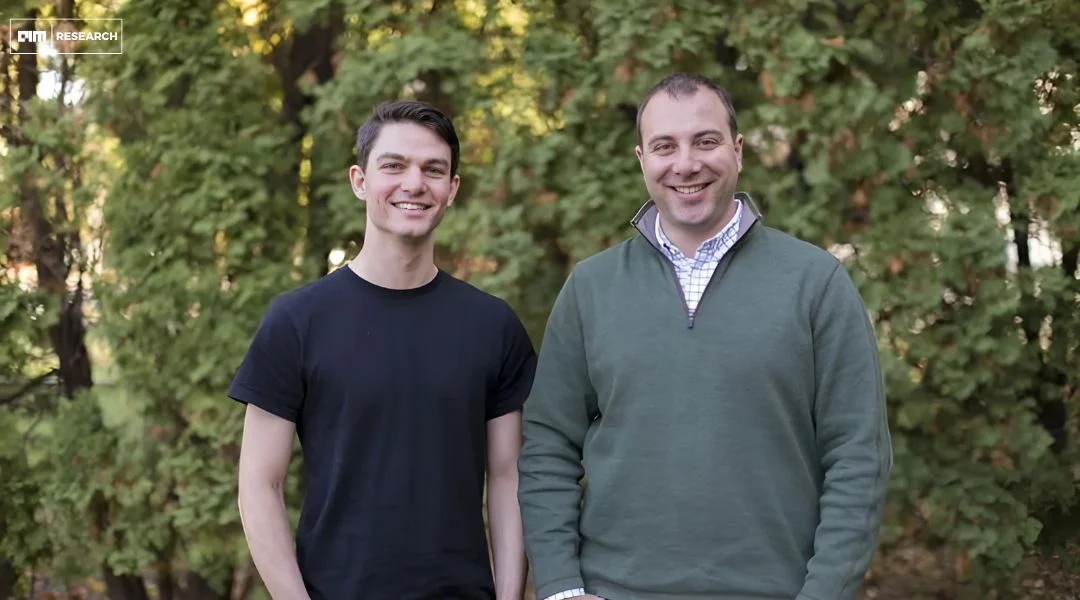
Roboflow’s journey began in January 2020 with a simple yet powerful mission: to make the world programmable through visual understanding. Founded by Joseph Nelson and Brad Dwyer, the company was born from their frustrations with how challenging it was to build and deploy computer vision models. Training a model often meant endless hours of manual data labeling, managing messy datasets, and writing repetitive code. The process was inefficient and inaccessible to many. Nelson and Dwyer sought to change that by creating a platform that simplifies computer vision workflows, empowering developers to focus on solving real-world problems.
Today, Roboflow is at the heart of a growing shift in how organizations interact with visual data. From manufacturing and logistics to healthcare and environmental research, the company’s tools are helping businesses leverage the power of sight. More than 25,000 organizations, including over half of the Fortune 100, rely on Roboflow’s platform to build and deploy computer vision applications. It is being used to scan products for defects, track player movements at major sporting events, and even monitor coral reefs.
One example is Pella Windows & Doors, which has integrated Roboflow to detect flaws in its products, ensuring higher quality for customers. Automaker Rivian uses the platform to streamline quality control on its production lines, while BNSF Railway employs Roboflow to track and inspect inventory across massive rail yards, improving efficiency and safety in an environment that often handles up to 10,000 containers at a time. Even broadcasters for the Wimbledon and U.S. Open tournaments are using Roboflow’s tools for precise tracking of players and balls, enhancing the viewing experience for millions.
