

 Manufacturing

- 01Kimi Antonelli became the youngest Formula 1 world champion at 20 years old, making him Italy's first F1 champion in 73 years.
- 02Red Bull Racing is collaborating with Oracle to use AI for scouting potential racing drivers beyond traditional sources, focusing on performance indicators.
- 03The partnership with Oracle includes enhancements in race strategy, engine development, and employee management through cloud infrastructure and AI applications.
Show all 5Show less
- 04Red Bull Ford Powertrains has grown to over 700 staff in under six years, developing a new power unit to compete with established manufacturers like Ferrari and Mercedes.
- 05AI agents are being utilized by Red Bull Racing to assist engineers in making real-time decisions during races, while maintaining human oversight for final decisions.
Red Bull Racing
Follow Deployed on Google
Formula 1’s newest chapter began on the shoulders of two of its greatest champions. On a historic day in Mexico City, Lewis Hamilton and Max Verstappen lifted 20-year-old Kimi Antonelli onto their shoulders as he celebrated becoming the sport’s youngest world champion, bringing 12 world titles together in a single frame.
Antonelli’s third-place finish on 11/01 also made him Italy’s first Formula 1 (F1) world champion in 73 years.
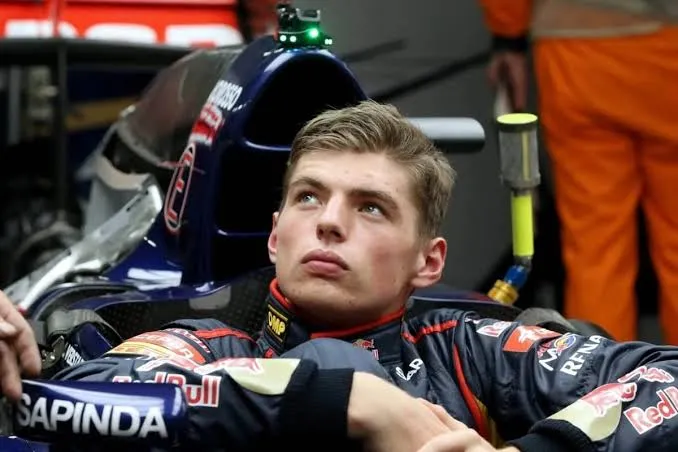
Verstappen, who won the race ahead of Hamilton, had begun his own journey in a go-kart at four. He joined the Red Bull Junior Team in 2014 and reached F1 at 17.
For F1 teams, finding that potential early is a competition of its own. In an exclusive conversation with Deployed by AIM Media House at Oracle AI World in Las Vegas, Jack Harington, Head of Technical and Performance Partnerships at Oracle Red Bull Racing, discussed how the team is working with Oracle to bring AI into that search.
“One of the projects that we’re working on with Oracle is to use AI to look beyond the traditional places that you would find racing drivers, go to more obscure racing series, look for more performance indicators,” said Harington.
Looking for Talent the Results May Miss
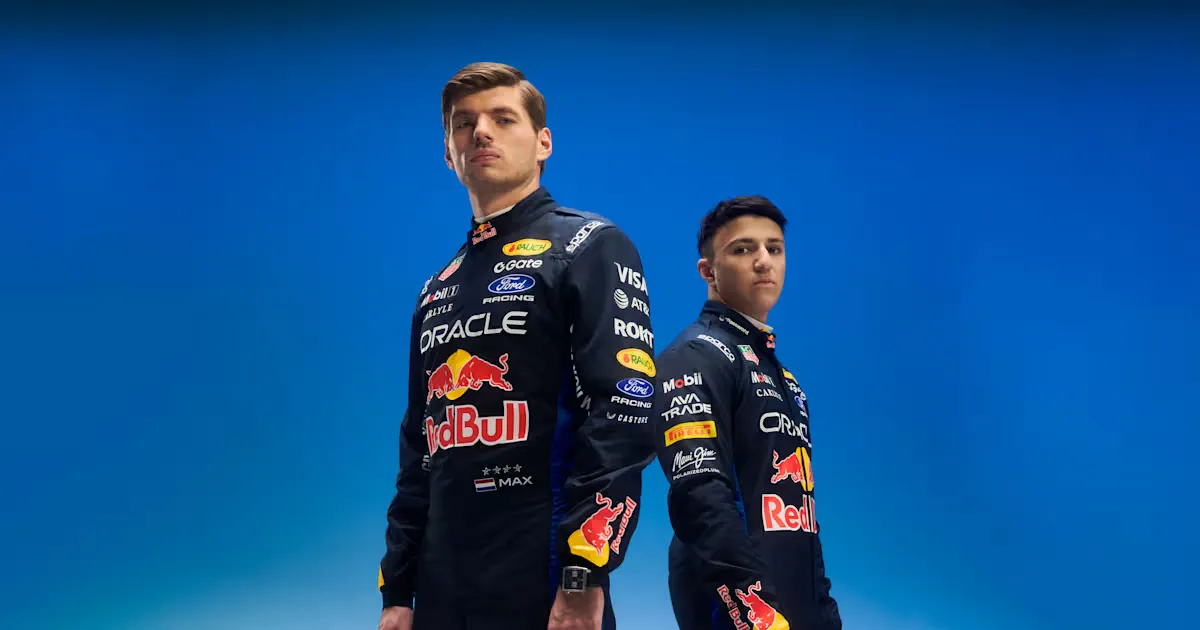
Both Verstappen and current teammate Isack Hadjar progressed through Red Bull’s junior program, Harington said. Rival teams also compete to attract emerging drivers.
The AI project aims to examine the circumstances behind a result. A driver in underperforming machinery may demonstrate ability that a finishing position does not fully capture, while racing in wet conditions can offer further evidence of skill.
Harington framed finding a future Verstappen through AI as an ambition for the project, which remains in development.
A Technology Partnership Across the Team
The scouting project sits within a relationship that extends from race strategy to the systems running Red Bull’s business. Oracle and Red Bull announced a multiyear extension of their title partnership in February this year, covering cloud infrastructure and AI alongside enterprise applications.
Harington said Oracle consultants work alongside Red Bull engineers to identify where technology can improve performance, with the relationship reaching into Red Bull Ford Powertrains and Red Bull Advanced Technologies.
“This is a true partnership in every sense,” he said.
Oracle Cloud Infrastructure (OCI) supplies computing capacity for race simulations and engine development. The team also uses Oracle Fusion applications for employee development and financial planning.
From Energy Drinks to Building Engines
Red Bull’s position in F1 began with an energy drink company acquiring the former Jaguar team in 2005. The operation subsequently won six Constructors’ Championships, according to Formula 1’s team history.
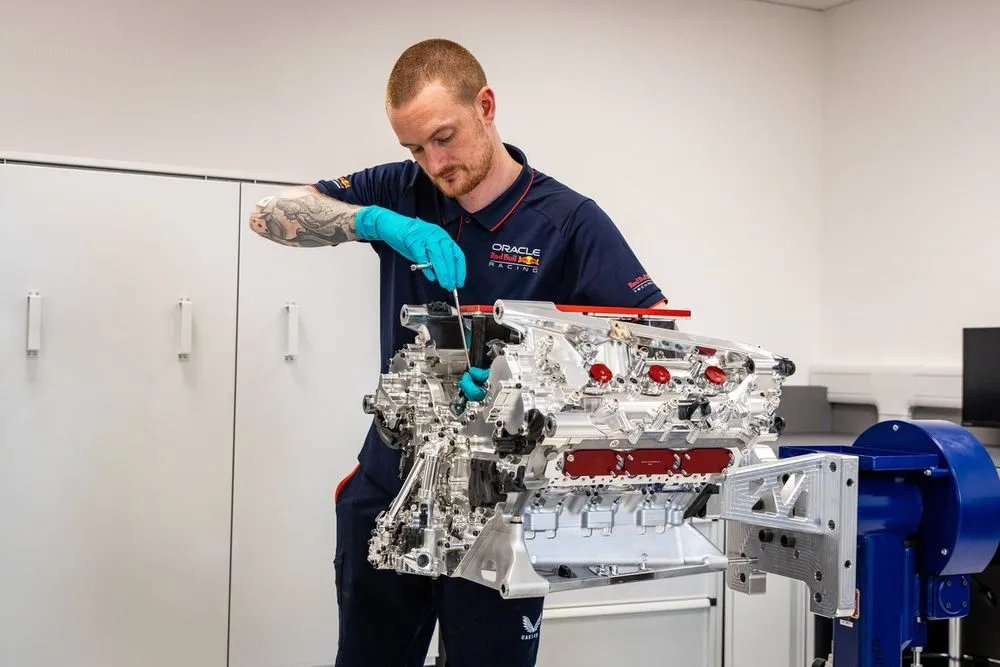
Its 2026 season adds a different challenge. Red Bull Ford Powertrains has developed a power unit for the team, putting a new engine operation into competition with manufacturers such as Ferrari and Mercedes.
“We had to rethink from scratch, especially when you’re talking about the engine,” Harington said.
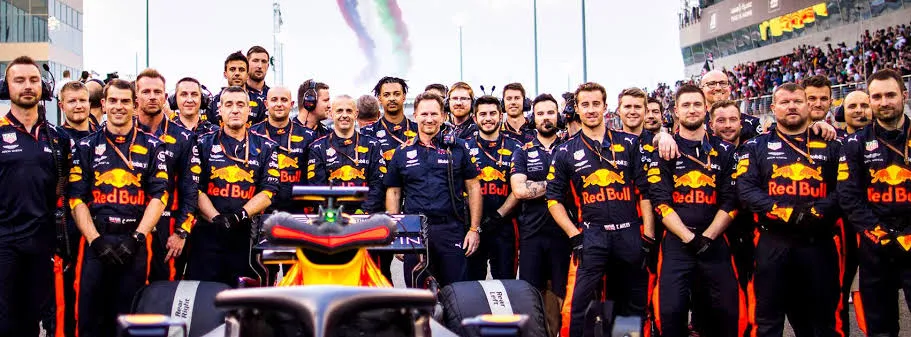
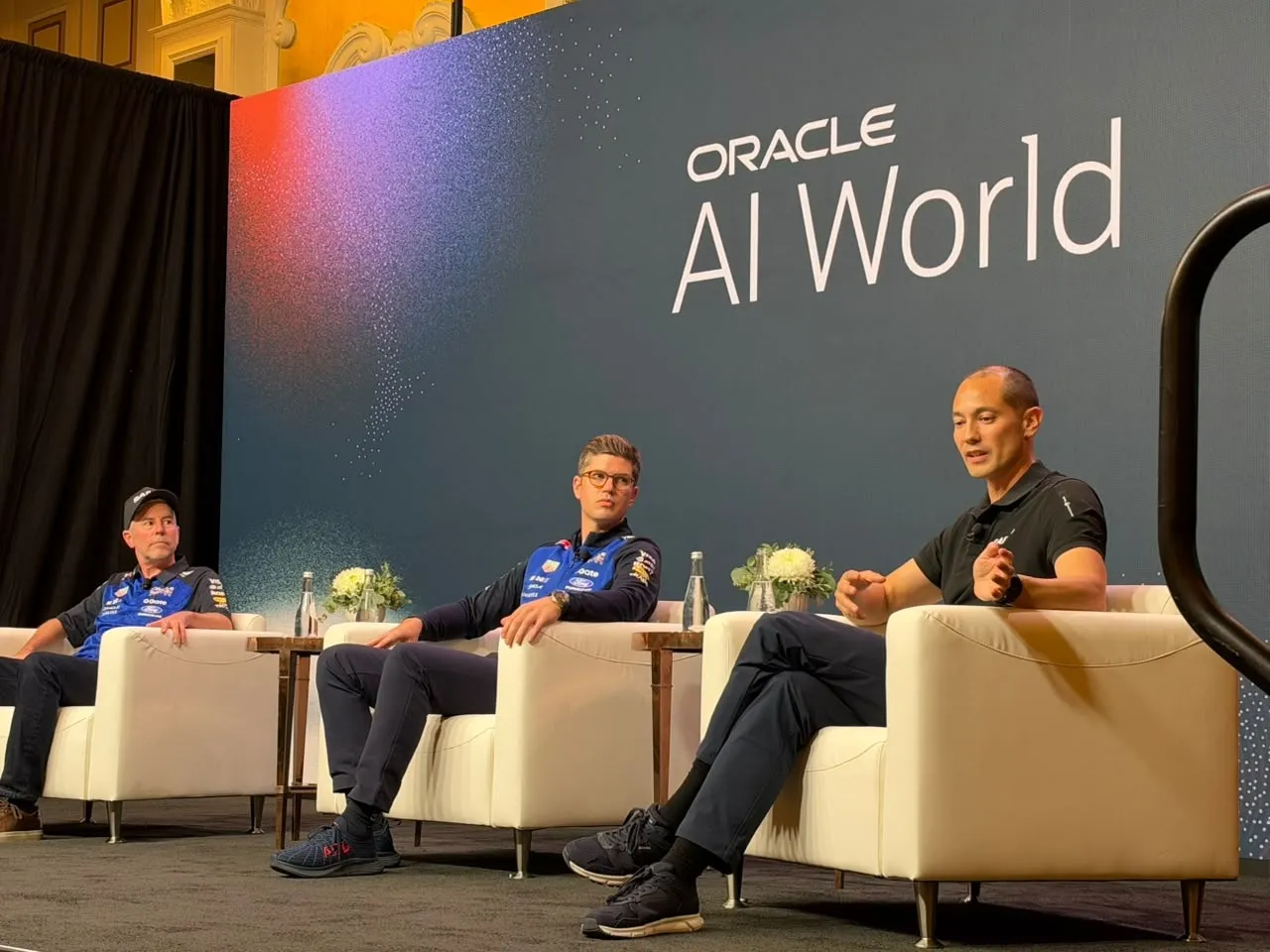
Speaking at a separate Oracle AI World session, Harington said the powertrain operation had grown to more than 700 staff in under six years, starting without a factory or simulation capability.
With limited time to establish the operation, building a large data center was impractical, he said. Oracle’s cloud allowed computing capacity to grow alongside recruitment and engine development.

The week's factory, energy and chip deployments. Thursdays.
Ford contributes expertise in the internal combustion engine and battery systems, alongside control systems and supply chain support, according to the team’s description of the partnership.
Harington saw an advantage in building the operation from the beginning, allowing the team to choose its approach without working around an existing engine facility. Red Bull’s earlier championships were achieved with external engine suppliers.
Preparing for a Race Before It Happens
A safety car can change the value of a pit stop, requiring engineers to reassess a strategy while the race continues. Harington said Red Bull processes eight billion Monte Carlo simulations to examine possible scenarios and evaluate options such as when to stop for tires.
“Being able to simulate a lot of things before you arrive at circuit is incredibly important,” he said. “So, that if something happens when you’re there, you’ve likely seen it in a virtual world.”
At the same Oracle AI World session, Harington said the simulations also model how rival teams might react to Red Bull’s decisions. The models incorporate practice-session data and can be updated during the race.
He cited 25% more strategy simulations as a gain from the technology partnership. He also reported 20% more computational fluid dynamics (CFD) simulations for Red Bull Ford Powertrains.
AI Agents on the Pit Wall
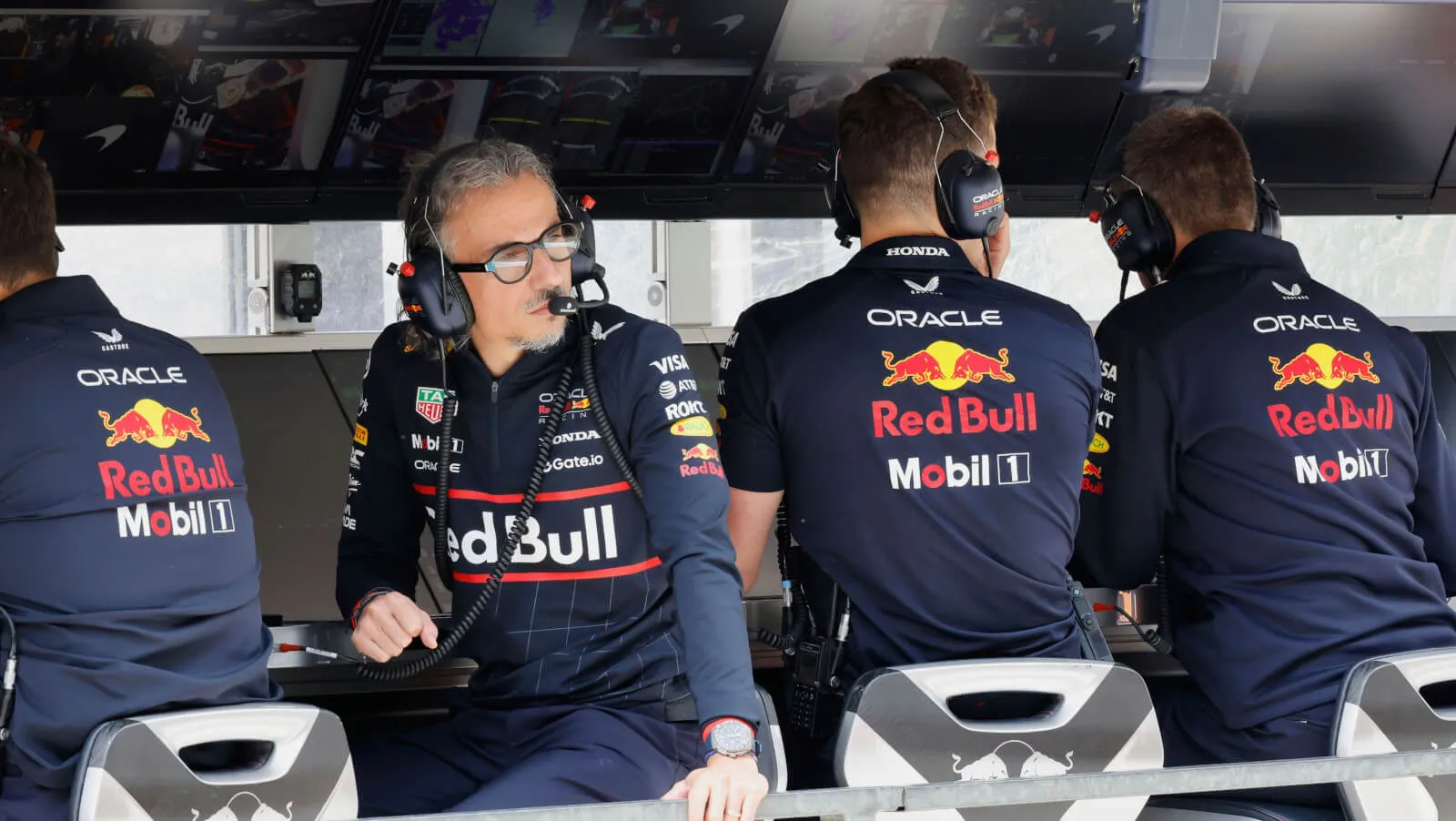
While the simulations evaluate race scenarios, AI agents help engineers consult regulations and previous race decisions under time pressure.
Harington said the team has worked with Oracle on an assistant using large language models (LLMs), accessed through a conversational interface.
“What that’s enabled us to do is to allow our engineer to focus on the race itself,” he said.
The assistant has been developed over many months, including work with Oracle to address hallucinations, Harington said. Engineers retain responsibility for checking its output and making the final call.
“For us, we always need to have that human at the end of the loop to make sure that the decision is correct,” he said.
The Business Decisions Behind Racing Performance
Asked what gives Red Bull an edge over its rivals, Harington said he cannot speak for the technology other teams use or how they approach competition. He pointed to Red Bull’s culture of developing young people and doing things in its own way.
At the Milton Keynes technology campus, Oracle Fusion Cloud Human Capital Management (HCM) supports tailored employee development plans using embedded generative AI, according to Harington.
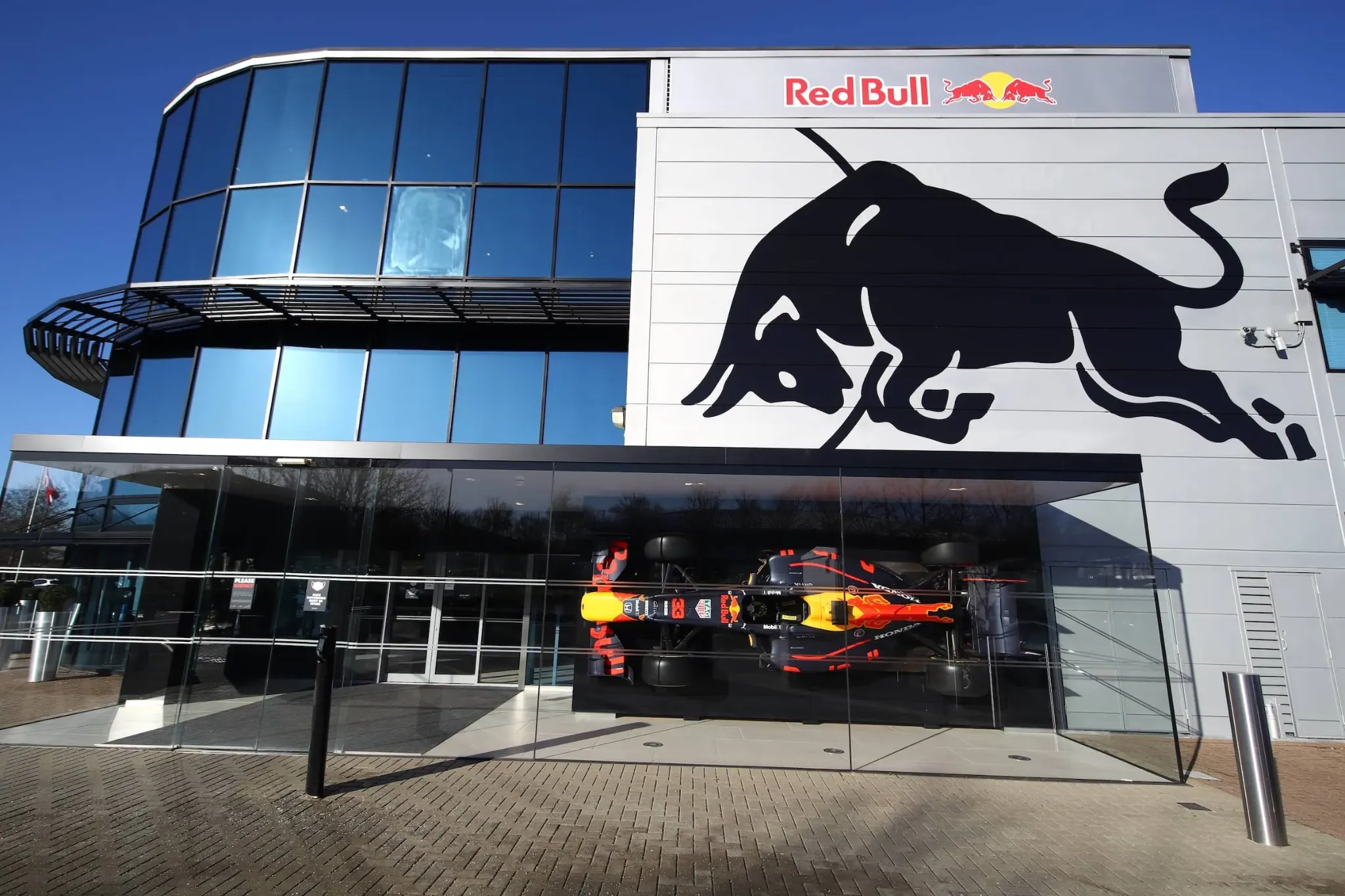
The team has also integrated Oracle Fusion Cloud Enterprise Performance Management (EPM) to evaluate budget scenarios within the sport’s cost cap.
“Not only are we simulating races, but we’re also simulating budgets now,” Harington said.
Harington argued that where and how the team spends can be as consequential as decisions about car design. His advice for other industries was to pursue small improvements across the business, from training employees better to planning where the money goes.
“It’s not always the flashiest ways that we’re doing it, but every place that we’re doing it, it is bringing us performance,” said Harington.
Last updated
