

 Manufacturing
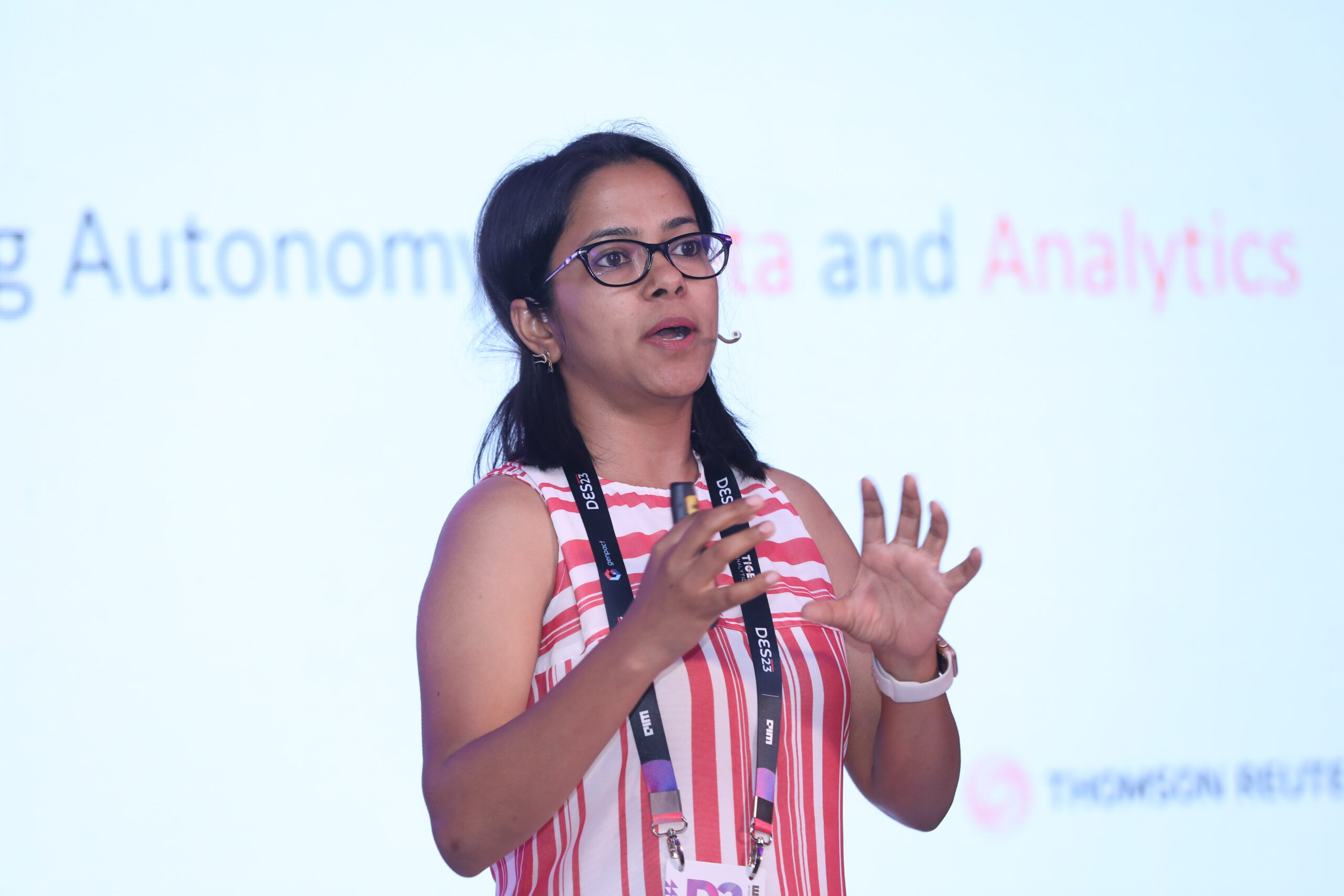
As the keynote speaker at the Data Engineering Summit 2023, Rittika Jindal, a seasoned Cloud Architect at Thomson Reuters, enlightened the audience about the development of a dynamic and autonomous data transformation pipeline. The tech stack comprised AWS Fargate containers, DBT, and Airflow, focusing on the 'T' in the ETL or ELT pipeline. This pipeline equips businesses to construct their data marts independently, relying on SQL/DBT and creating dashboards for rapid insights without depending excessively on data engineers.
The Nature of the Transformation Pipeline:
Jindal emphasized the concept of a transformation pipeline, distinguishing it from conventional data extraction and loading pipelines. A transformation pipeline primarily targets the 'T' in ETL, assuming the data is already within the system and focusing solely on transformation. Thomson Reuters uses this pipeline to drive autonomy in their data analytics, incorporating technologies like DBT, Airflow, and AWS Fargate containers.
Promoting Autonomy in Data Analytics:
The primary goal of this transformation pipeline is to foster autonomy within Thomson Reuters' data analytics team. Jindal explains that multiple teams operate in their data domain: the data engineering team, responsible for building data pipelines and maintaining years of data activity, and the analytics team, working closely with business units to generate insights, models, and dashboards. To bridge the gap between raw data and interpretable data for analysts and data scientists, Thomson Reuters devised the data transformation pipeline. This pipeline empowers the analytics team to transform data and build their marts, leveraging simple SQL queries.
