

 Manufacturing
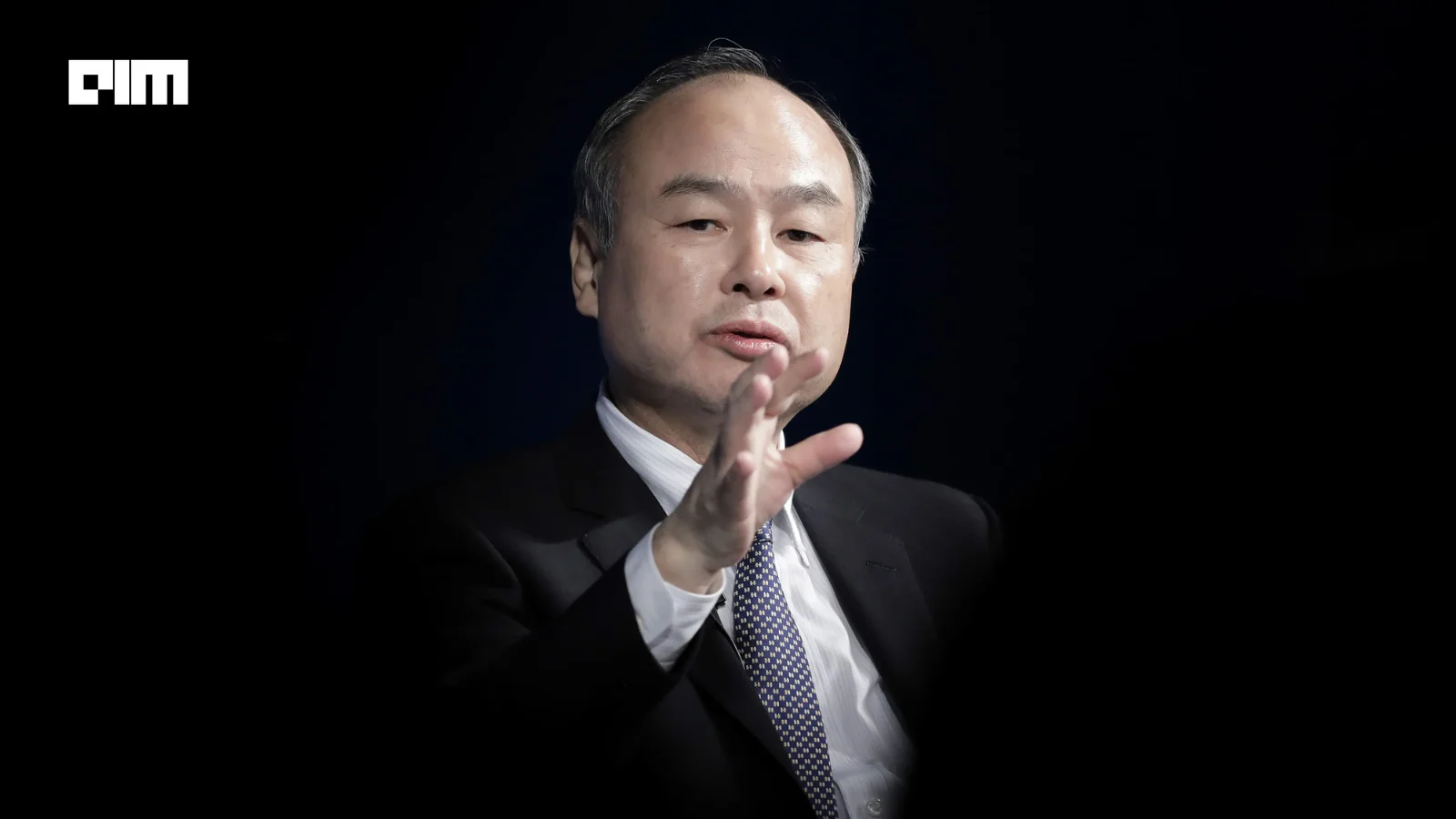
Masayoshi Son has built a career on splashy, high-visibility wagers. His $2 billion purchase of roughly 2% of Intel is another example: it looks like a vote of confidence, but it changes little about the company’s hard problems. The deal supplies capital and publicity, not governance or the operational muscle Intel needs.
SoftBank’s financial position shapes how investors read these moves. The group has relied heavily on asset sales, most notably its steady selldown of Alibaba, to fund stock buybacks and reduce leverage. That has kept its share price supported but also limited flexibility for longer-term bets. With gross debt still high and cash largely tied to maintaining balance-sheet stability, a $2 billion equity stake in Intel looks more like a signaling device than a carefully timed strategic allocation. It allows Son to demonstrate activity in semiconductors without stretching SoftBank’s balance sheet further into high-risk ventures.
Markets made that distinction at once. Intel’s shares popped on the announcement while SoftBank’s fell, suggesting traders saw a short-term sentiment play rather than a strategic rescue. The purchase carries no board seat, no procurement commitments and no hands-on role in turning around manufacturing yields or roadmaps: the areas where Intel’s troubles are most acute.
