The logistics industry is bleeding billions annually on inefficiency. Warehouses still rely on workers manually picking items from sprawling facilities. Delivery routes are calculated by algorithms that ignore real-time traffic. Docks coordinate trucks through paper and spreadsheets. Predictive maintenance is a calendar, not intelligence. Meanwhile, a handful of enterprises have quietly moved to a different operating model, AI-native logistics.
They're rebuilding logistics from the ground up around machine intelligence. The result? Cost reductions, productivity improvements, same-day delivery capabilities, and competitive advantages that rivals will struggle to match. Here are the 10 most impactful AI use cases reshaping the industry, and the enterprises proving that AI logistics works at scale.
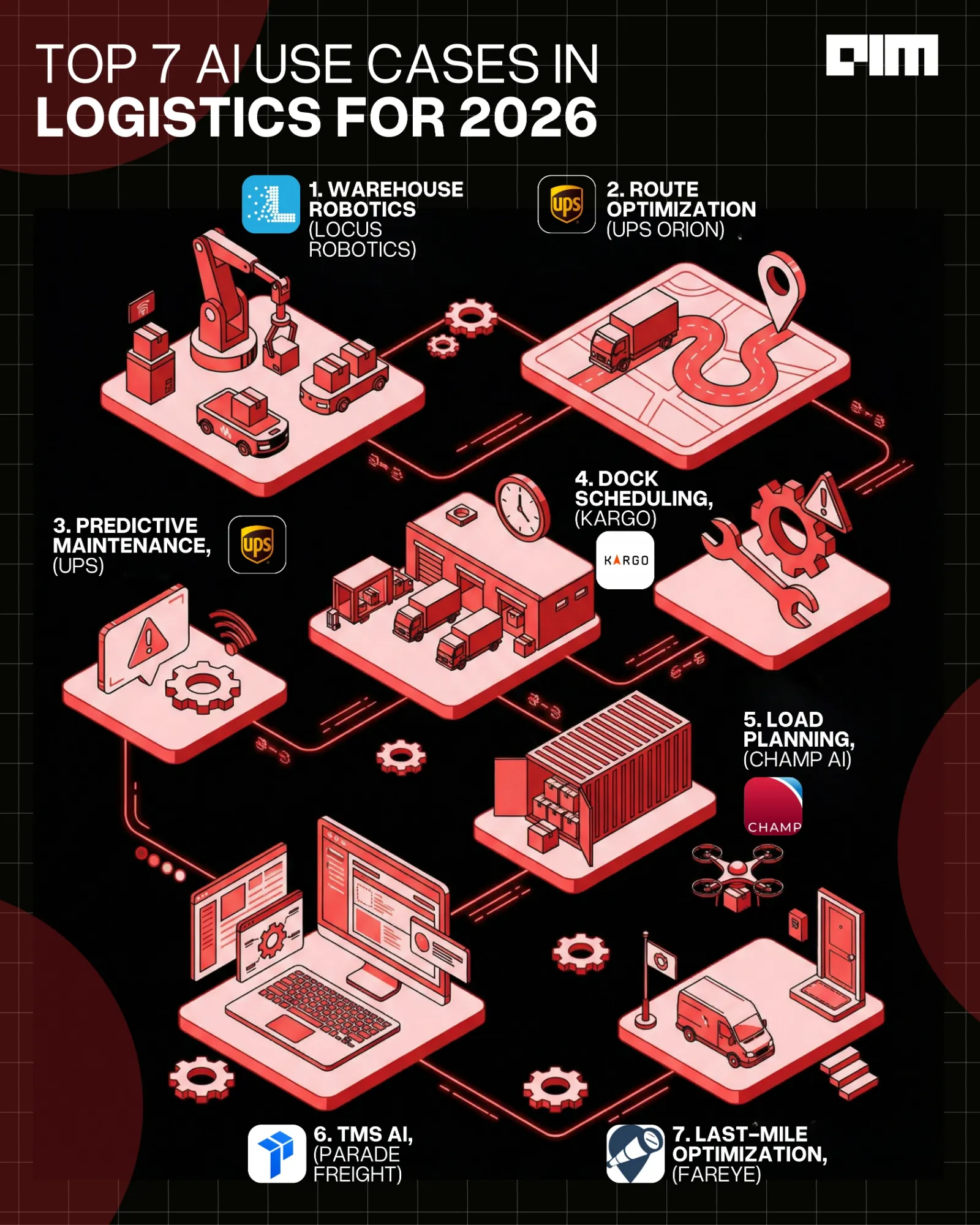
1. Warehouse Robotics & Coordination
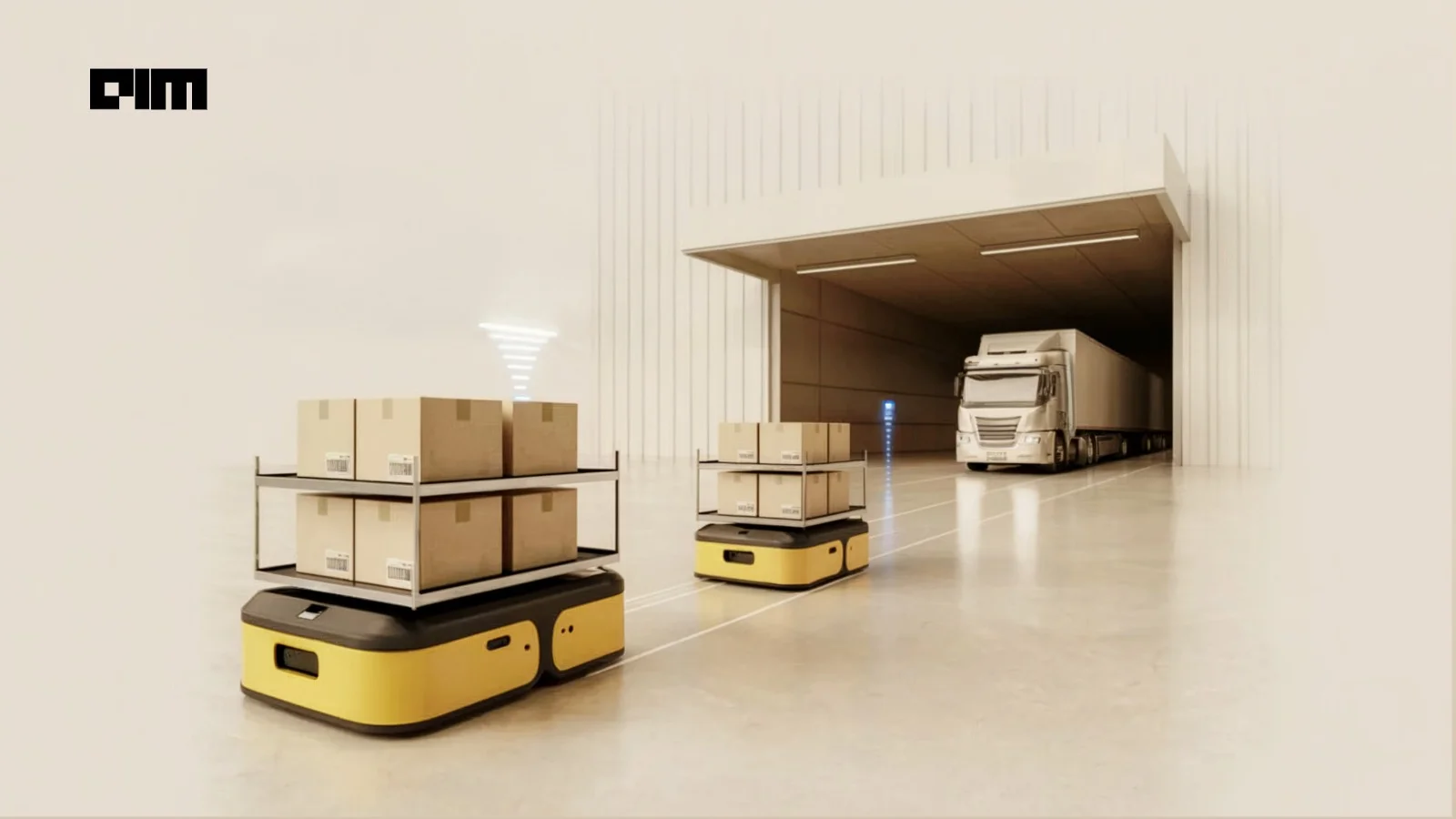
Manual picking and packing in warehouses remains one of logistics' most labor-intensive, error-prone processes. Workers spend hours navigating sprawling facilities to locate items, carry them to packing stations, and process orders. This creates bottlenecks, high labor costs, and human error. The challenge isn't just speed, it's the fundamental inefficiency of human movement across vast warehouse spaces. AI-powered autonomous mobile robots solve this by eliminating unnecessary human movement while keeping humans focused on decision-making tasks that require dexterity and judgment. Computer vision identifies products instantly, AI calculates optimal warehouse navigation paths, and robots autonomously transport items to human pickers. The result combines human judgment with machine speed, creating a collaboration model that's more efficient than either alone.


 Manufacturing