

 Manufacturing

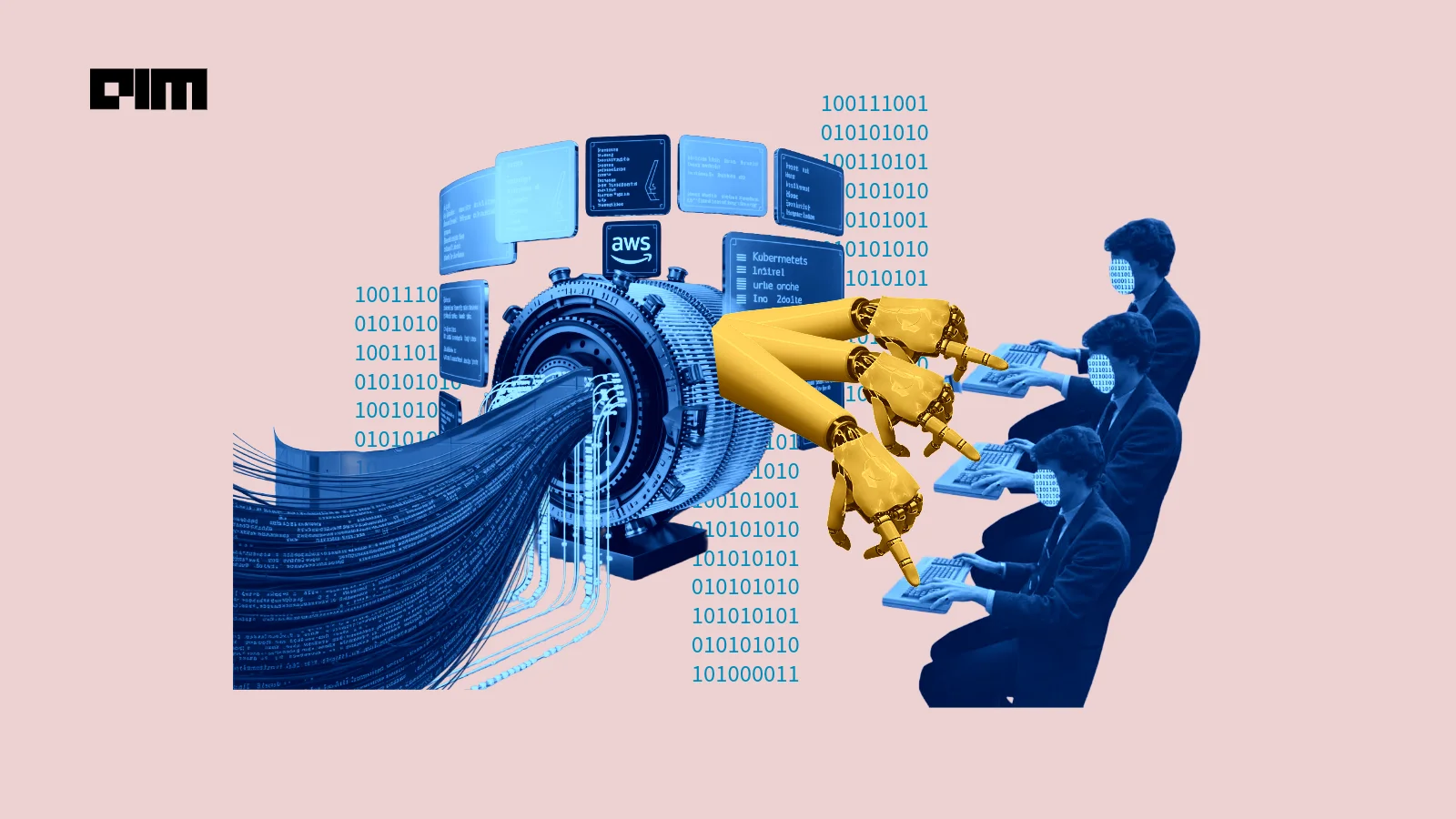
The warning sign came from inside Amazon Web Services. In a post that vanished within hours but was widely screenshotted, one engineer wrote that after AWS automated roughly 90% of its infrastructure, his entire DevOps team was deemed redundant. The details spread quickly: AI agents were being used not only to auto-fix Terraform and scale Kubernetes clusters, but even to negotiate cloud discounts with providers.
For years AWS sold automation tools to its customers. Now it was turning them inward, cutting human operators out of the loop. For DevOps engineers, the story read like a parable: the very software they had used to streamline workloads was beginning to consume their jobs. And if the world’s largest cloud provider believed AI could handle deployments, incident response, and postmortems better than people, the implications for every other engineering team were clear.
The episode crystallized what many in Silicon Valley had already begun whispering. Junior engineers, once the engine room of software teams, are rapidly becoming collateral damage in the shift toward “vibe coding”—a shorthand for letting AI generate, review, and even refactor large portions of code. Companies that once hired armies of entry-level coders are now leaning on a handful of senior engineers to orchestrate AI systems and oversee their output.
