

 Manufacturing

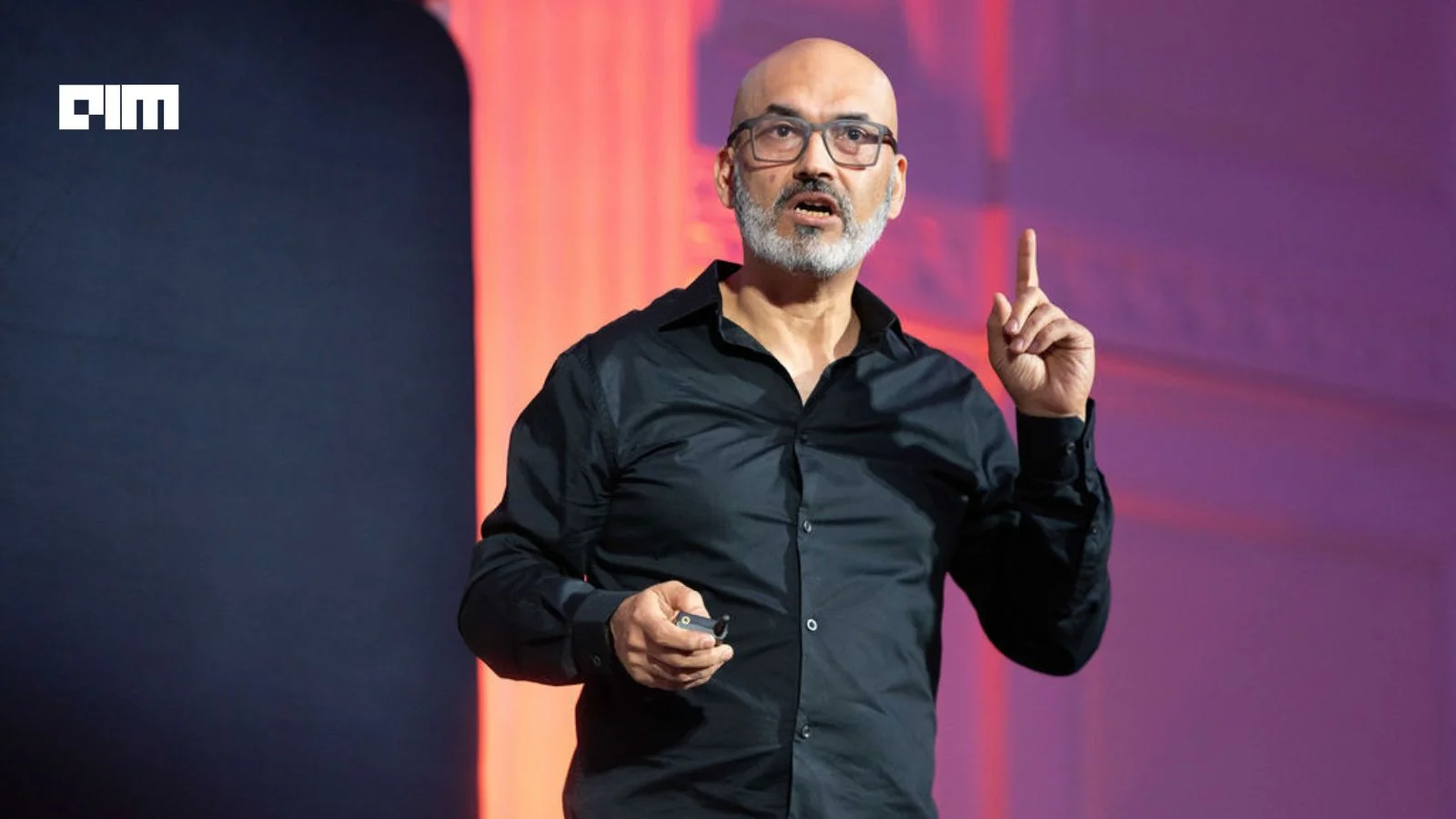
Three years ago, a keynote on AI might have revolved around possibility, what AI could become, what might be achieved. But as Sanjeev Vohra, Chief Technology and Innovation Officer at Genpact, stated at MachineCon 2025, the focus has now shifted. “I am not going to talk about the potential of AI,” he noted. “We have done that already. Today is about the realism of AI, what it actually does in the enterprise, right now.”
Agentic AI is now recognized not just as a concept, but as an operational system. These systems are defined by autonomy, where decisions and actions are taken in alignment with business goals, with minimal human involvement. Such systems are being built to perceive, reason, and act within real-world enterprise environments. Rather than simply assisting, they are increasingly being designed to execute entire workflows independently.
The path to this point has been long. AI in the 1990s relied on expert systems and rule-based logic that delivered fixed outcomes. This was followed by the predictive era, where statistical algorithms and machine learning were deployed to analyze patterns and forecast future trends. As neural networks and deep learning matured, the field expanded into image recognition, language understanding, and generative content. The turning point came in 2022, when generative AI models demonstrated the ability to create text, images, and code at scale. That phase, defined by creativity, is now giving way to one focused on autonomy and action.
