

 Pharma

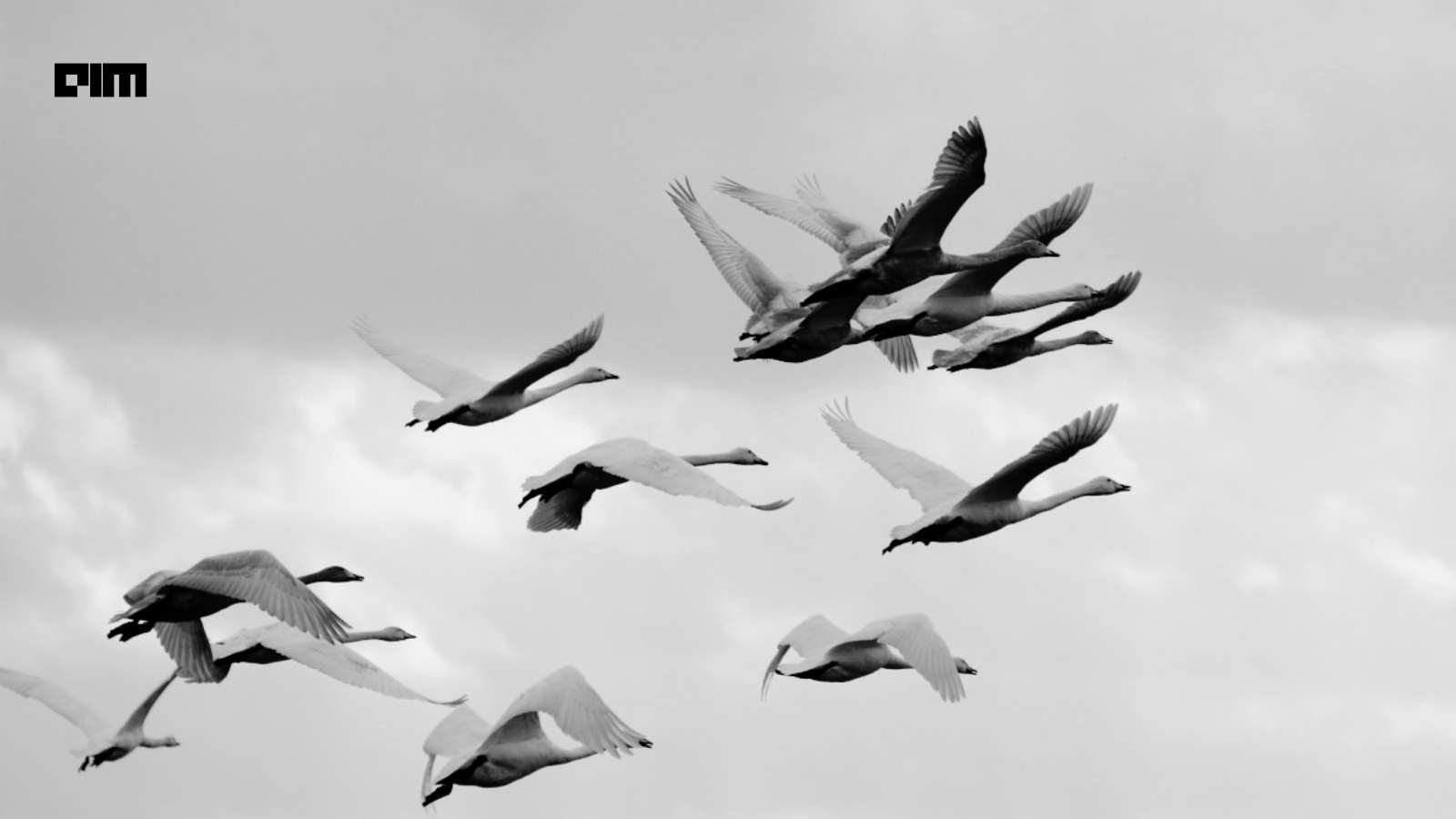
Wildlife migration tracking is shifting from observation to decision-making as artificial intelligence systems process data from sensors, satellites, and field observations into operational insights.
A recent report from The Nature Conservancy outlines how migration tracking now integrates GPS tags, radar, bioacoustics, environmental DNA (eDNA), and AI to monitor animal movement across land, air, and water at scale.
The change is not in data collection alone. AI systems analyze large volumes of movement data and identify patterns that inform where conservation efforts should be deployed. Similar AI-driven decision systems are already used in other biological domains, including drug discovery workflows where models guide research direction and outcomes.

