

 Pharma
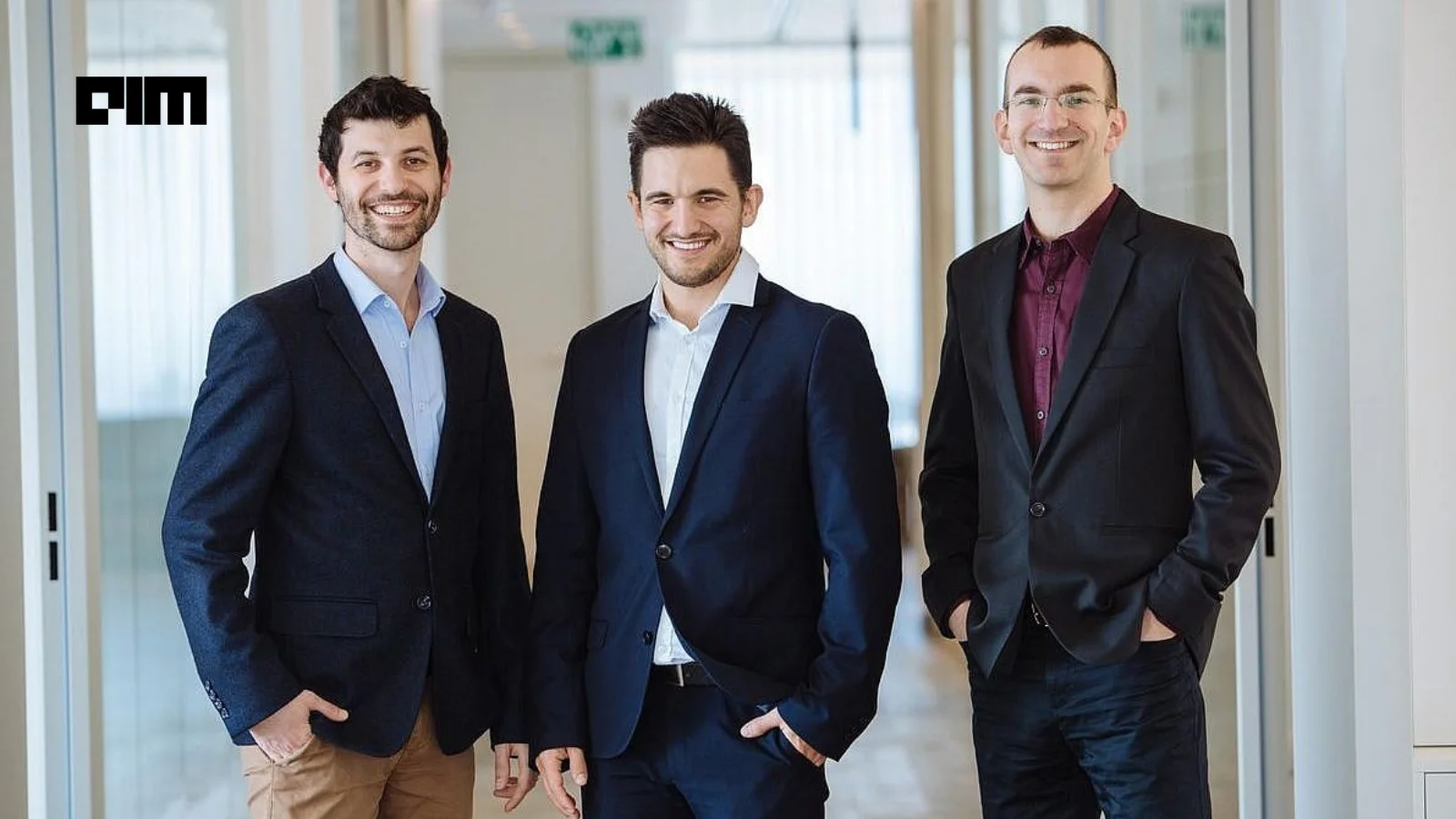
In the U.S., diagnostic errors contribute to an estimated 371,000 deaths each year, more than the annual toll from stroke. For Aidoc, a New York-based startup, this statistic is the foundation of its business. Founded in 2016 by Elad Walach, Michael Braginsky, and Guy Reiner, Aidoc is building an AI-driven platform that aims to reduce those diagnostic lapses by embedding clinical intelligence directly into healthcare workflows.
The company just announced a $150 million funding round co-led by General Catalyst and Square Peg, with participation from NVIDIA’s NVentures and four major U.S. health systems: Hartford HealthCare, Mercy, Sutter Health, and WellSpan. The round brings Aidoc’s total funding to $370 million and includes a $40 million revolving credit facility. The capital will be used to scale up CARE, Aidoc’s new clinical-grade foundation model, and aiOS, its AI operating system for hospital systems.
Deploying Clinical AI Infrastructure
Aidoc’s aiOS platform serves as an enterprise-grade system that allows hospitals to deploy, monitor, and measure multiple AI models across departments. Of the hospitals currently using Aidoc, the company says 69% are also running third-party models on aiOS. The system supports real-time notifications, integrates with EHRs and scheduling tools, and enables cross-functional care coordination with minimal disruption, according to the company.
