

 Pharma

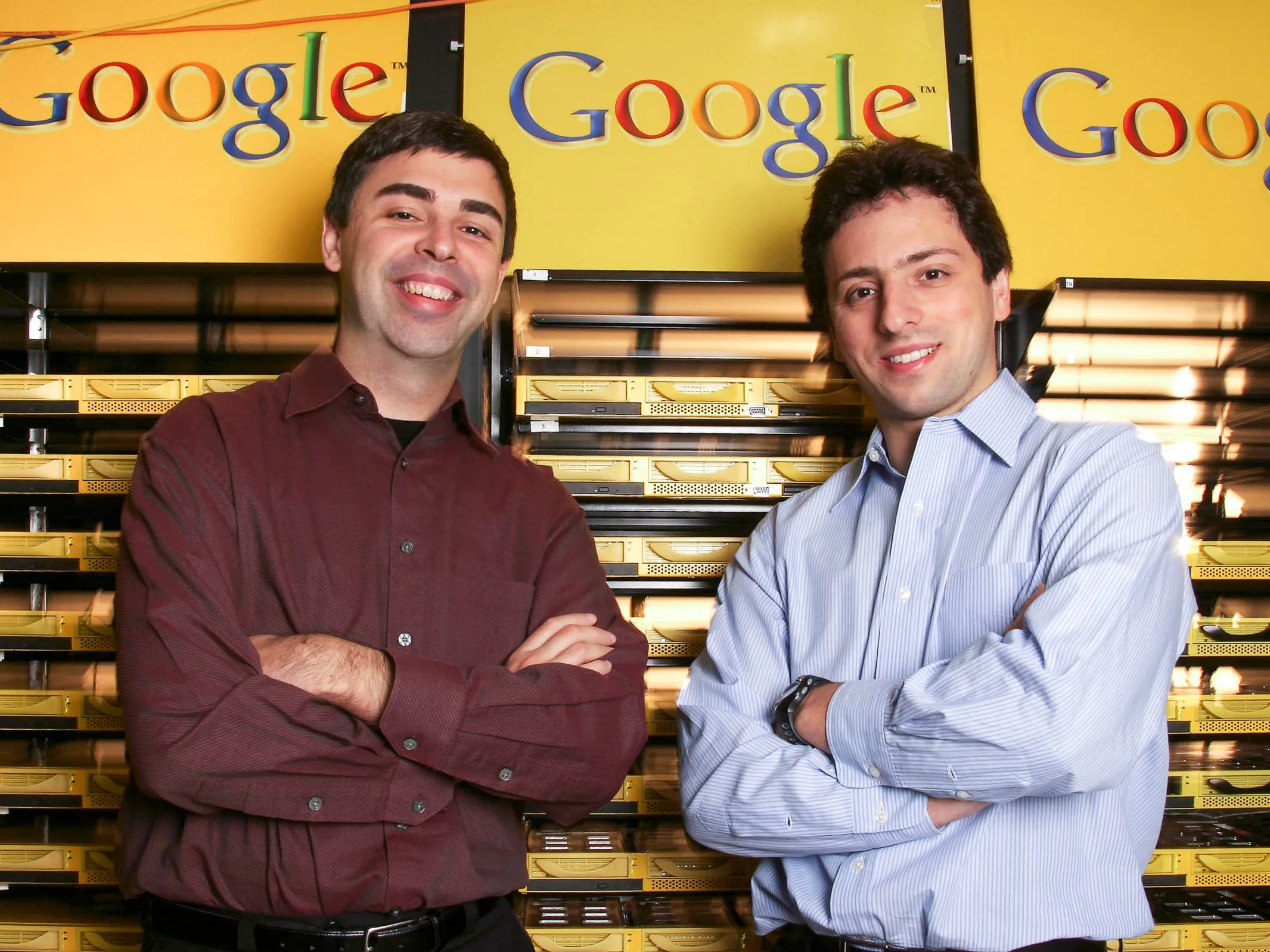
Alphabet Inc., Google’s parent company, is undergoing a transformative period fueled by its steadfast focus on artificial intelligence and groundbreaking technology. Despite an impressive third-quarter performance for 2024, investors eye Alphabet’s bold AI investments with a mix of intrigue and caution, highlighting the balance between financial sustainability and aggressive growth. Projects like Gemini Nano, Project Bellwether, and Isomorphic Laboratories showcase Alphabet’s vision to expand the boundaries of AI and technology. As Alphabet’s corporate structure and strategic ventures continue to reshape the tech landscape, the company’s journey reflects both the challenges and potential rewards of pursuing pioneering innovation.
A Foundation Rooted in Vision and Innovation
Alphabet’s story is inseparable from the groundbreaking work of Larry Page and Sergey Brin. In 1998, Page and Brin transformed a Stanford research project into Google, the world’s most powerful search engine, a feat made possible by their revolutionary PageRank algorithm. Over the years, their vision pushed Google beyond search to expand into YouTube, mobile technology, and ultimately, AI. This commitment to evolution led to a key restructuring in 2015: Alphabet Inc. was born, housing not only Google but also a diverse range of companies like Nest, Calico, and X, the moonshot factory. Today, while both Page and Brin maintain advisory roles at Alphabet, their legacy endures, steering Alphabet’s unique corporate structure as a platform for innovation.
Gemini Nano - AI in the Palm of Your Hand
Alphabet’s commitment to personalized AI is most evident in Gemini Nano, a feature launched for Android Pixel devices. Operating without internet connectivity, Gemini Nano can summarize conversations, lectures, and detect suspicious activities in real-time. This innovation positions Alphabet at the nexus of security and accessibility, addressing the growing demand for responsive, offline AI capabilities. With Gemini Nano, Alphabet takes a bold step toward making personal AI more secure and readily available, a strategic move that highlights the company’s adaptability in an increasingly AI-driven tech market.
