

 Pharma
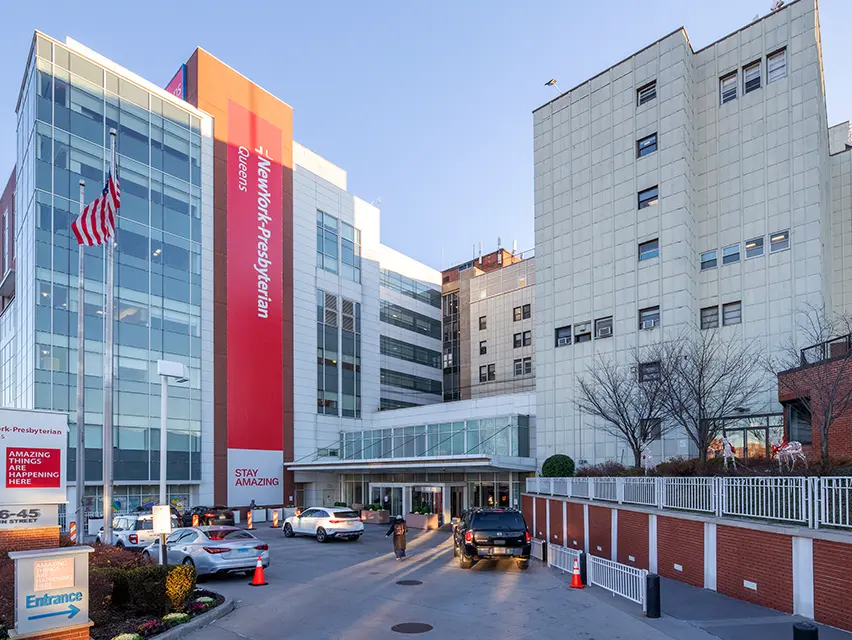
NewYork-Presbyterian Hospital has released EchoNext-Mini, an open-source artificial intelligence model and dataset designed to detect structural heart disease (SHD) from electrocardiograms (ECGs), according to a study published April 16 in NEJM AI. The model builds on prior work from researchers at the hospital and its academic affiliates, including Columbia University Irving Medical Center and Weill Cornell Medicine.
The EchoNext-Mini dataset includes 100,000 ECGs from 36,286 patients, paired with echocardiogram-derived diagnoses and demographic data. The dataset is a subset of a larger internal dataset used to train the original EchoNext model. Researchers made both the dataset and the model publicly available to support further development in ECG-based AI screening tools.
Structural heart disease, which affects the heart’s valves, walls, and chambers, is often underdiagnosed because screening depends on echocardiography, a resource-intensive imaging test that is not uniformly accessible. By contrast, ECGs are widely used and low-cost, but have historically not been sufficient for detecting structural abnormalities. The EchoNext line of models is designed to bridge that gap by using deep learning to infer structural disease from ECG waveforms.
