

 Pharma
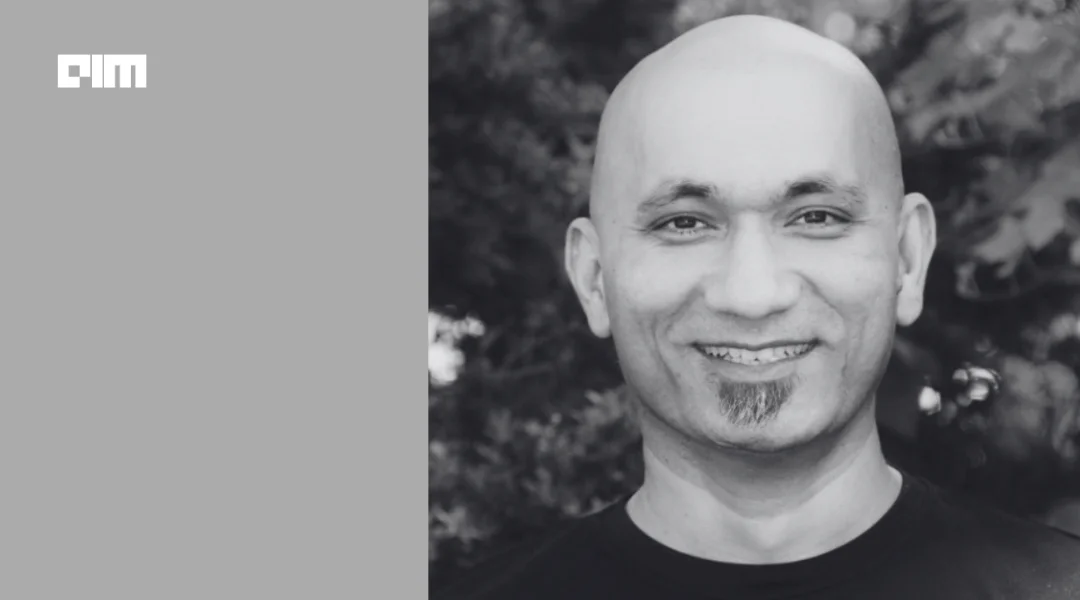
AirMDR, a Menlo Park-based startup led by CEO Kumar Saurabh, claims its AI analysts can triage 95% of security alerts in under five minutes. That level of responsiveness, paired with human oversight, is what the company is pitching to help a sector grappling with an overwhelming volume of threats and a chronic shortage of skilled talent.
Founded in 2023, AirMDR is building an AI-native managed detection and response (MDR) platform designed to give small and midsize businesses access to enterprise-grade security operations at a cost and complexity they can manage. The company recently closed a $15.5 million seed round, led by Race Capital with participation from Foundation Capital and Storm Ventures. The new capital will go toward product development, scaling go-to-market efforts, and deepening partnerships with managed security service providers.
Automating the SOC
AirMDR’s primary offering is an AI-powered security operations center platform that automates alert triage, investigation, and response. They say the system is designed to take over tasks typically handled by tier-one and tier-two analysts, allowing expert staff to focus on higher-order threats and decision-making. AirMDR says that in current deployments, its AI is handling close to 80% of security findings, improving mean time to respond (MTTR) and reducing operational overhead.
