What Are Eli Lilly's Plans for New Obesity Drug Plant?
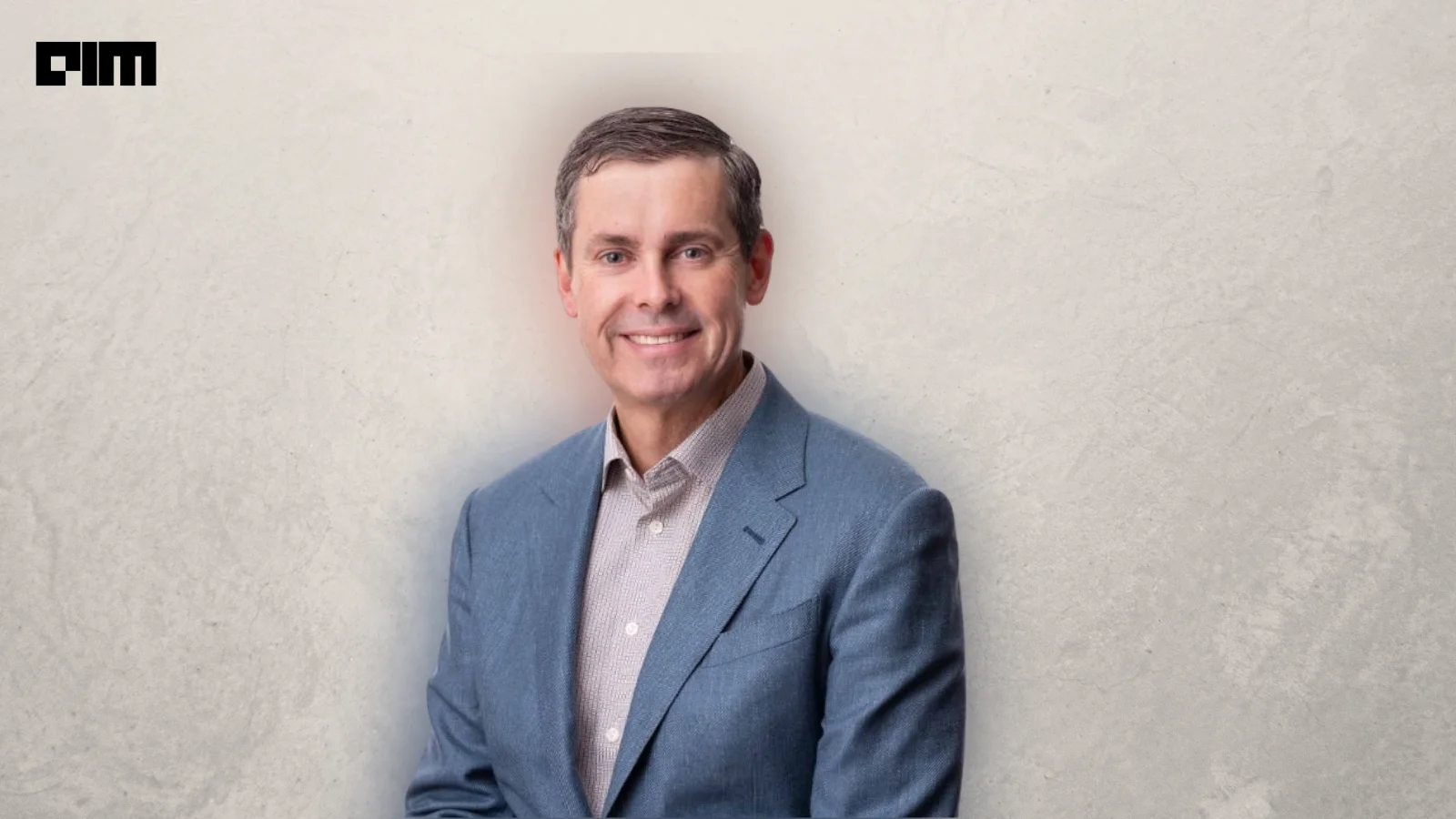
"We're finding these medicines are quite popular, but we still have work to do to expand access, to improve affordability"
Eli Lilly announced on January 30, 2026, that it will invest more than $3.5 billion to build a state-of-the-art manufacturing facility in Fogelsville, Pennsylvania's Lehigh Valley. The plant represents the fourth new U.S. manufacturing site announced by the pharmaceutical giant since February 2025.
The Pennsylvania facility will produce injectable medicines and devices, including retatrutide, Eli Lilly's next-generation obesity drug. In late-stage trials, retatrutide delivered weight loss of up to 28.7 percent compared to Zepbound's 21 percent and Novo Nordisk's Wegovy at approximately 15 percent. Some trial participants even achieved weight loss exceeding 35 percent of their body weight.
Construction at the Lehigh Valley site is expected to begin in 2026, with operations commencing in 2031. The facility will create 850 permanent jobs including engineers, scientists, operations personnel, and lab technicians, plus approximately 2,000 construction jobs.
Pennsylvania is contributing $100 million to the project, while CEO David Ricks told reporters the plant will be "state of the art manufacturing to last many decades to come."
The site was selected from more than 300 applications, chosen for its proximity to STEM universities, existing technical manufacturing infrastructure, and favorable zoning. It will incorporate artificial intelligence, machine learning, and data analytics to optimize production.
The Larger Manufacturing Strategy
Since 2020, Eli Lilly has committed more than $50 billion to U.S. manufacturing. In February 2025, the company doubled down, pledging $27 billion for four new domestic manufacturing sites. Three of these facilities will manufacture active pharmaceutical ingredients, the chemical compounds that form the foundation of drugs, traditionally imported from overseas. The fourth supports injectable production.
The trigger is clear. President Donald Trump's threat of pharmaceutical import tariffs. Multiple pharma companies, including Lilly, Pfizer, and Merck, have pledged billions in domestic investment specifically to avoid penalties on imported drugs and ingredients.
The Inflation Reduction Act and subsequent tax provisions have made domestic manufacturing economically rational for the first time in the modern pharmaceutical era. Tariff threats accelerated decisions that were already becoming cost-justified on their own merits.
Lilly secured a three-year exemption from Trump's pharmaceutical tariffs last month as part of voluntary pricing deals with the administration. However, the company is not banking on tariff relief alone.
Instead, Lilly is using AI and automation to achieve U.S. manufacturing costs that were previously not feasible. By integrating machine learning into production workflows, Lilly can optimize throughput, reduce material waste, and minimize costly equipment downtime.
The Pennsylvania facility will integrate directly into Lilly's broader manufacturing and data ecosystem. AI-driven process control will optimize temperature, pH, humidity, and other variables in real time, maintaining batch-to-batch consistency and minimizing waste.
Machine learning algorithms will monitor equipment performance continuously, predicting failures before they occur. Computer vision systems will perform automated visual inspections for defects in drugs and packaging, improving accuracy beyond human inspection.
In September 2025, Lilly launched TuneLab, an AI and machine learning platform that provides biotechnology companies access to drug discovery models trained on $1 billion worth of Lilly's proprietary research data.
The platform includes 18 proprietary models covering drug disposition, safety, and preclinical results from hundreds of thousands of molecules. Smaller biotech firms can now access tools and datasets typically reserved for large pharmaceutical companies. In return, these partners share research data that helps train Lilly's models further.
Competitive Market
For two years, the narrative centered on supply shortages for Lilly's Zepbound and Novo Nordisk's Wegovy. Both companies invested heavily in boosting production. Novo's first-ever GLP-1 obesity pill, also branded Wegovy, launched this month and has already accumulated over 26,000 U.S. prescriptions in its second full week. Lilly's own GLP-1 pill, orforglipron, awaits U.S. approval and could launch within months at a $150 monthly cash price.
Eli Lilly captured the majority market share in the obesity space last year for the first time, overtaking Novo. But the pill launches have shifted competitive dynamics. Oral medications offer convenience that injections cannot match. Goldman Sachs analysts project oral weight-loss medications could capture roughly 24 percent of the obesity market by 2030.
For the region, the impact is substantial. Pennsylvania Governor Josh Shapiro called it the largest life sciences investment in state history. The facility will attract talent in STEM fields and support decades of operations. Construction begins in 2026 and operations commence in 2031.
"We're finding these medicines are quite popular, but we still have work to do to expand access, to improve affordability," said Ricks.
>
Key Takeaways
- Eli Lilly invests $3.5 billion in a new Pennsylvania plant for obesity drug production.
- The facility will produce retatrutide, showing up to 28.7% weight loss in trials.
- Construction starts in 2026, with operations expected to begin in 2031.
- The plant will create 850 permanent jobs and 2,000 construction jobs.
- Pennsylvania contributes $100 million to support this significant manufacturing initiative.