

 Banking
In today's rapidly evolving technological landscape, the cultivation of resilient Generative AI (Gen AI) teams is paramount for organizations aiming to stay at the forefront of innovation. The journey of Gen AI development involves harnessing the power of artificial intelligence to create systems that don't just perform tasks but comprehend, adapt, and generate novel outputs. To achieve this, organizations need teams equipped not only with technical prowess but also with adaptive skills, continuously evolving methodologies, and a proactive mindset toward optimization and success. This necessitates the creation of a work culture that thrives on adaptability, resilience, and continual learning, making way for an exploration of strategies to nurture such teams for long-term success in the realm of Generative AI.
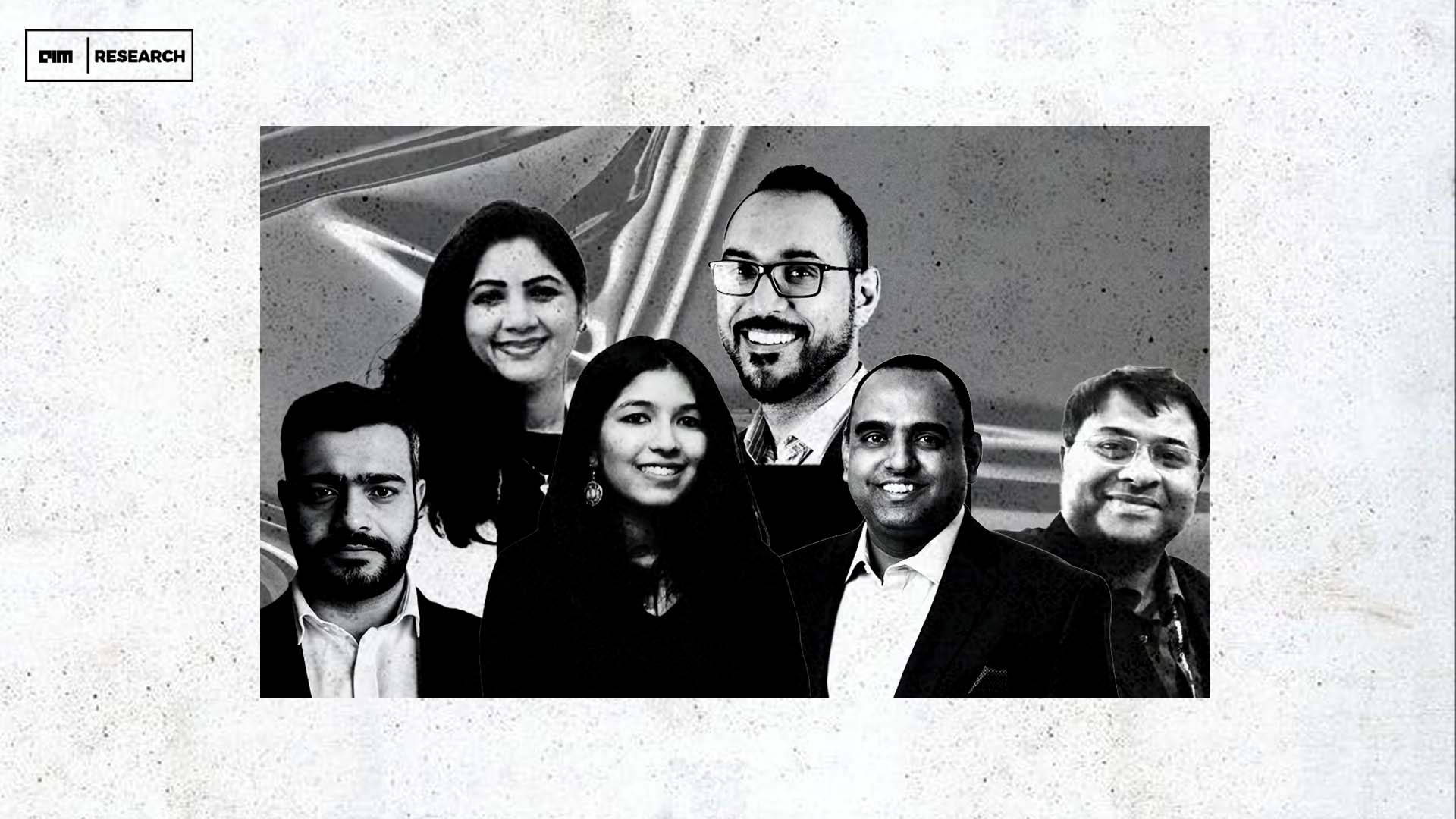
We had a roundtable discussion on the topic with a set of experienced and distinguished leaders in the industry. The session was moderated by Aishwarya Gupta, Global Solutions & AI & Automation Offerings Practice Head at Wipro Limited along with panelists Fawad Memon, Director & Head of Digital Analytics and Insights (Marketing Science) at Virtual Gaming World, Roshan Thayyil, Data Science Leader, Vanitha D'Silva, AVP Data Science and Strategy at Sigmoid and Krishnaswamy Divakaran, Analytics Director, Independent Consulting,
Embracing Generative AI: Leaders' Varied Paths and Progress
In the bank over the last six months to one year, what's been happening is that the stringent data privacy regulations and governance make it impossible to directly engage with suppliers of Language Model Models (LLMs). We can't use their models or customize them because we lack visibility into the data they've used for training. The bank's governance doesn't permit this. So, what are the alternative use cases we can explore based on the data available within our large bank?
