

 Banking
PayPal has been through many phases since its early days as a start-up helping people move money online. Over time it became a bridge between banks, merchants, and consumers handling payments across markets worldwide. Now the company faces a new turning point. Intelligent agents, powered by artificial intelligence, are beginning to change how commerce works. Instead of consumers clicking through websites, filtering options, and comparing prices, agents can carry out much of that process on their behalf. The model is being described as agentic commerce, and it could redefine the relationship between buyers, sellers, and platforms like PayPal.
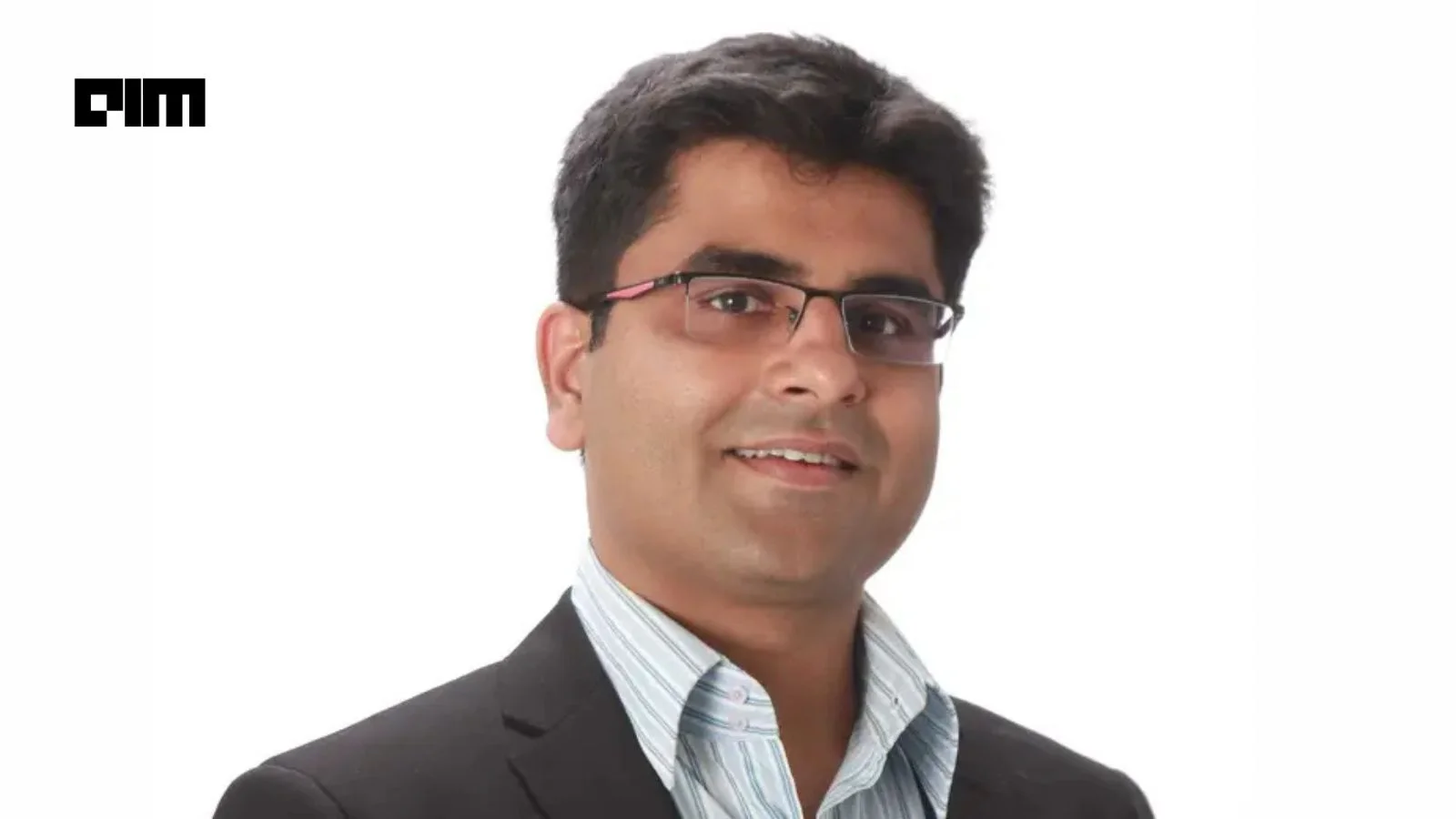
On a recent Bloomberg podcast, Prakhar Mehrotra, Senior Vice President and Global Head of AI at PayPal, explained how the company is preparing for this transition. He described three main areas where AI is shaping PayPal’s approach: productivity, fraud and identity, and personalization. On productivity he said, “It’s about getting the same answer faster, and it’s about finding a better answer. So efficiency and effectiveness. And that’s what we are using at PayPal.” Developers inside the company are already seeing how AI shortens software cycles, streamlines code conversion, and cuts down the small but costly delays that used to slow launches. Global rollouts are also moving faster, which matters for a business that has to operate across currencies and languages.
Fraud has always been central to PayPal’s identity. The executive highlighted that the company now prevents more than a billion dollars in fraud every month. Detection methods that once relied on rigid rules later moved into machine learning, and are now entering what he called the reasoning era. The idea is to move from reacting to fraud toward anticipating it before it happens. Alongside fraud comes identity, where digital signatures and biometrics could establish what he described as agentic identity, an approach that allows AI systems to act confidently on a user’s behalf without layers of extra checks.
