

 Banking

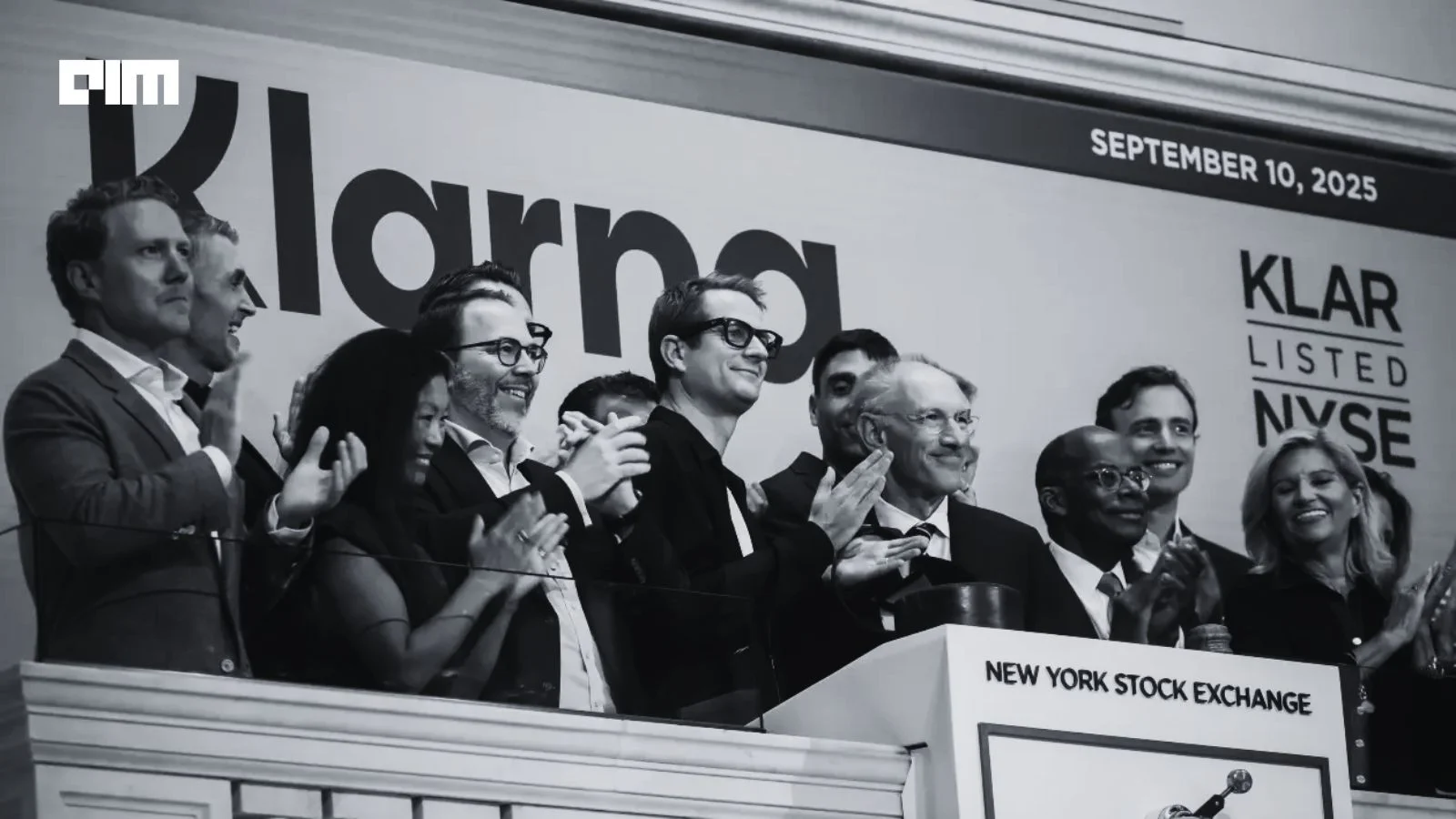
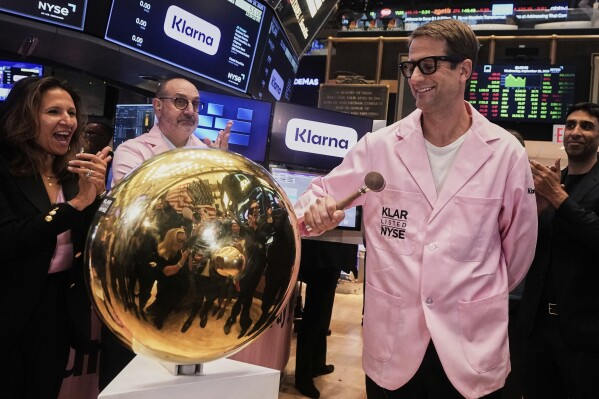
Klarna, the Swedish buy-now-pay-later giant, hit Wall Street this week with the largest U.S. IPO of 2025 so far, raising $1.37 billion in a deal that was oversubscribed nearly tenfold. Shares were priced at $40, above the expected $35 to $37 range, giving the company a $15 billion valuation. They opened 30% higher at $52 before settling near $46, leaving Klarna with a market cap of about $17 billion.
It was a defining moment for a company that once soared to a $45 billion valuation at the peak of the fintech boom, only to crash to $6 billion in the tightening cycle of 2022. For CEO and co-founder Sebastian Siemiatkowski, the IPO wasn’t just about money. “Going public in New York is huge. It’s not just a milestone; it’s a statement,” he told employees. “It’s proof that a bunch of stubborn dreamers from Stockholm can take on the world and win.”
The IPO Mechanics
The headline numbers obscure a key fact: most of the IPO proceeds didn’t go to Klarna. Of the 34.3 million shares sold, only 5 million were primary, raising about $200 million for the company. The rest came from long-time investors, including Sequoia Capital, Silver Lake, BlackRock, and Anders Holch Povlsen.
