

 Banking
The adoption of Artificial Intelligence (AI) across various industries heralds a transformative era, significantly enhancing efficiency, fostering innovation, and reshaping the future workplace. This technological revolution is not confined to a single sector; instead, it spans the entirety of the global economic landscape, impacting roles, skill requirements, and operational methodologies. As AI-driven tools and platforms become integral to business processes, they offer unparalleled opportunities for problem-solving, creativity, and strategic planning. Embracing AI technologies equips organizations with the means to streamline operations, engage in innovative practices, and remain competitive in a rapidly evolving digital world.
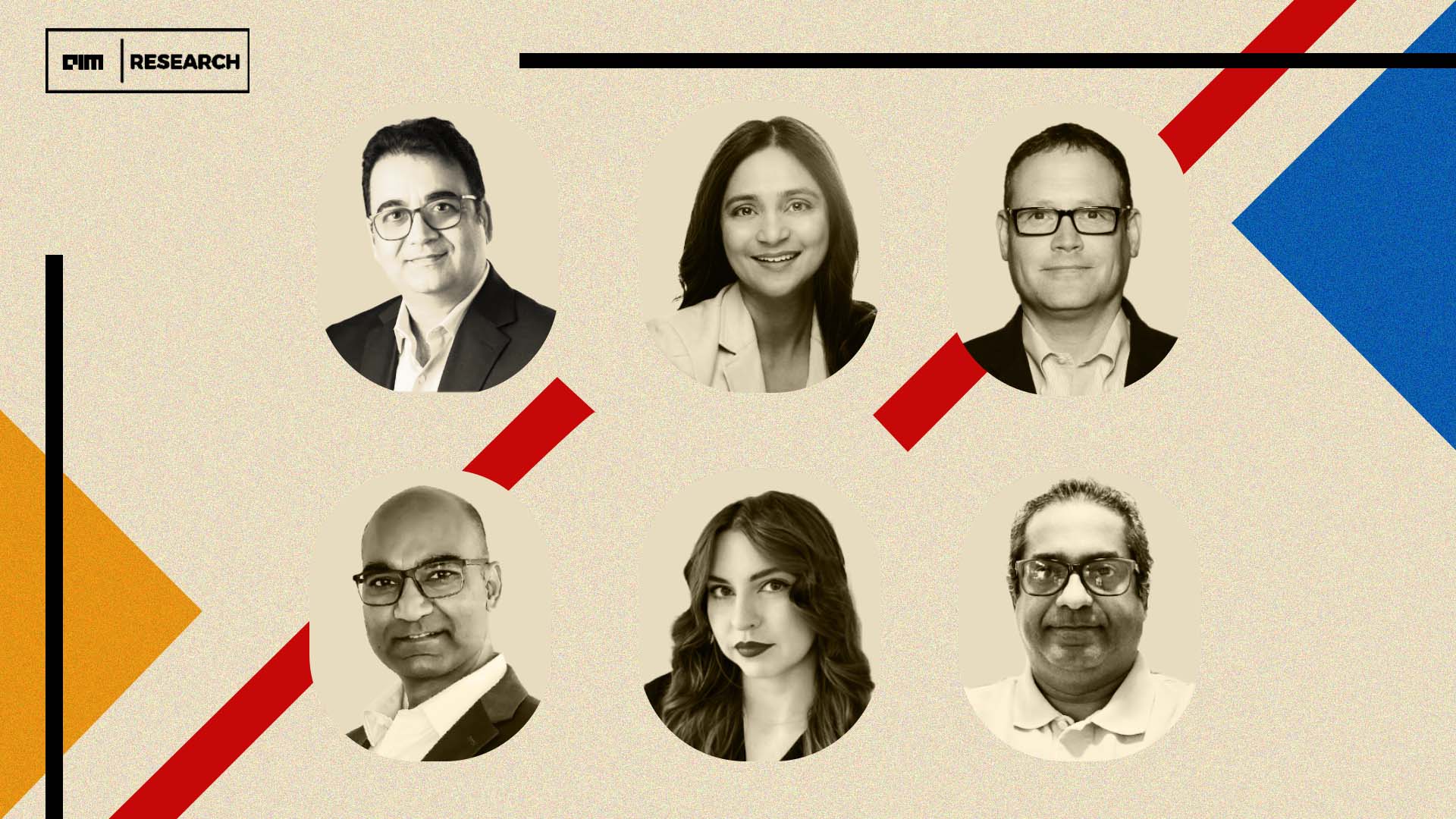
To address the sweeping changes brought about by AI and prepare the workforce of the future, a roundtable discussion was held with notable leaders and educators who are at the forefront of integrating AI into educational curricula and workplace strategies. The session, moderated by Kashyap Raibagi, Associate Director – Growth at AIM along with panelists Anurag Minocha, Sr Managing Director - Head of Data Products and Reg Data Strategy at Webster Bank, Erum Manzoor, Executive Technology Leader, Rachael Chudoba, Senior Strategist, Planning & Research at Performance Art, Virag Masuraha, Data Science and AI Leader, Satheesh R, Head of AI and Analytics Product at Charles Schwab and Jason Cooper, Chief Technology Officer at Paradigm.
AI's Influence on Future Workforce Dynamics and Demands in the Banking Industry
In the banking sector, the integration of AI began, even before the term 'AI' became widely recognized. One of the major banks in the US developed a contract intelligence system that automated a slew of mundane tasks, such as reviewing commercial loan agreements and were able to save ~360000 hours / year for their lawyers and loan officers .
