

 Banking
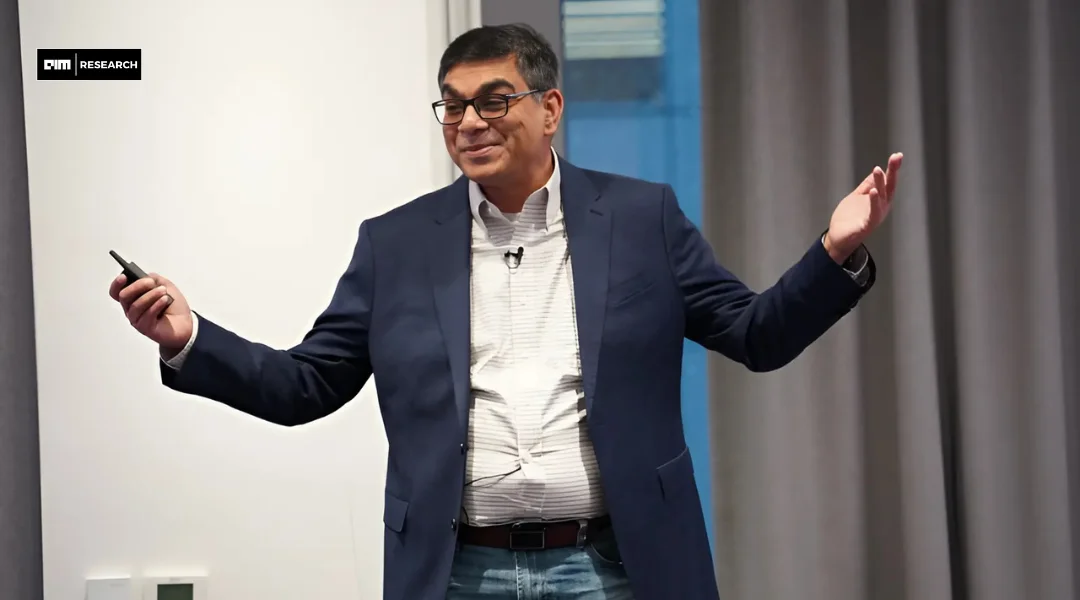
As AI technologies become more advanced, the need for ethical oversight is more and more urgent. Firms that introduce AI without a well-established framework are in danger of unintended biases, privacy issues, and accountability flaws that have the potential to undermine public trust. Truist, the top financial institution in the U.S., is addressing this threat head-on by infusing responsible AI principles into the core of its operations.
Generative AI has proved to be incredibly useful for repetitive task automation, deciphering intricate patterns in data, and improving customer interaction, but it is not perfect. AI models, most notably large language models (LLMs), might sometimes produce information with certainty, which is a severe threat in applications where accuracy is not negotiable. This issue became evident when OpenAI’s ChatGPT was used in legal proceedings, inadvertently generating fictitious case law that lawyers unknowingly cited, leading to courtroom embarrassment and reputational damage. This underscores the importance of human oversight and rigorous validation when integrating AI into critical operations.
AI Hallucinations Under Scrutiny
During a podcast interview with MIT Sloan Managment Review, Chandra Kapireddy, senior leader in the generative AI, machine learning, and analytics group at Truist stated, "At Truist, what we do is we take [a] responsible AI approach.
