

ManufacturingList
8 Leaders Putting AI to Work in Manufacturing in 2026
These eight leaders are putting AI to work inside manufacturers, from simulating factory changes before construction to predicting bottlenecks on production lines.


The brief
- GE Appliances reports more than 800 AI agents across operations, while Schneider Electric’s El Paso factory cleared $43 million in backorders through a transformation combining AI with connected production systems.
- The eight leaders include Mercedes-Benz’s Michael Schiebe, PepsiCo’s Athina Kanioura and P&G’s Luc Reynaert, alongside executives at GlobalFoundries, Schneider Electric, BMW, GE Appliances and Unilever.
- Their work connects AI to factory decisions, from identifying equipment problems before breakdowns to testing layouts before investment and helping teams set production priorities.
Deployment
- Company
- PepsiCo
- System
- Siemens Digital Twin Composer
- Stage
- Live
- throughput increase
- 20%
A misplaced drywall board can stop a production line. A missed equipment warning can leave maintenance teams responding after a breakdown. Putting AI into manufacturing means deciding whether a system should alert an operator, change a production plan or trigger a machine response.
The brief
- GE Appliances reports more than 800 AI agents across operations, while Schneider Electric’s El Paso factory cleared $43 million in backorders through a transformation combining AI with connected production systems.
- The eight leaders include Mercedes-Benz’s Michael Schiebe, PepsiCo’s Athina Kanioura and P&G’s Luc Reynaert, alongside executives at GlobalFoundries, Schneider Electric, BMW, GE Appliances and Unilever.
- Their work connects AI to factory decisions, from identifying equipment problems before breakdowns to testing layouts before investment and helping teams set production priorities.
Deployment
- Company
- PepsiCo
- System
- Siemens Digital Twin Composer
- Stage
- Live
- throughput increase
- 20%
In 2026, manufacturers are documenting those decisions at greater scale. GE Appliances reports more than 800 AI agents across manufacturing, logistics and supply-chain operations. Schneider Electric’s El Paso factory has cleared $43 million in backorders through a broader transformation combining AI with connected production systems.
The eight leaders below were selected for their roles in documented industrial applications and customer programs. The selection includes the people integrating technology into operations alongside the suppliers developing it, with completed work distinguished from the next deployment planned.
Michael Schiebe, Board Member for Production, Quality and Supply Chain Management, Mercedes-Benz
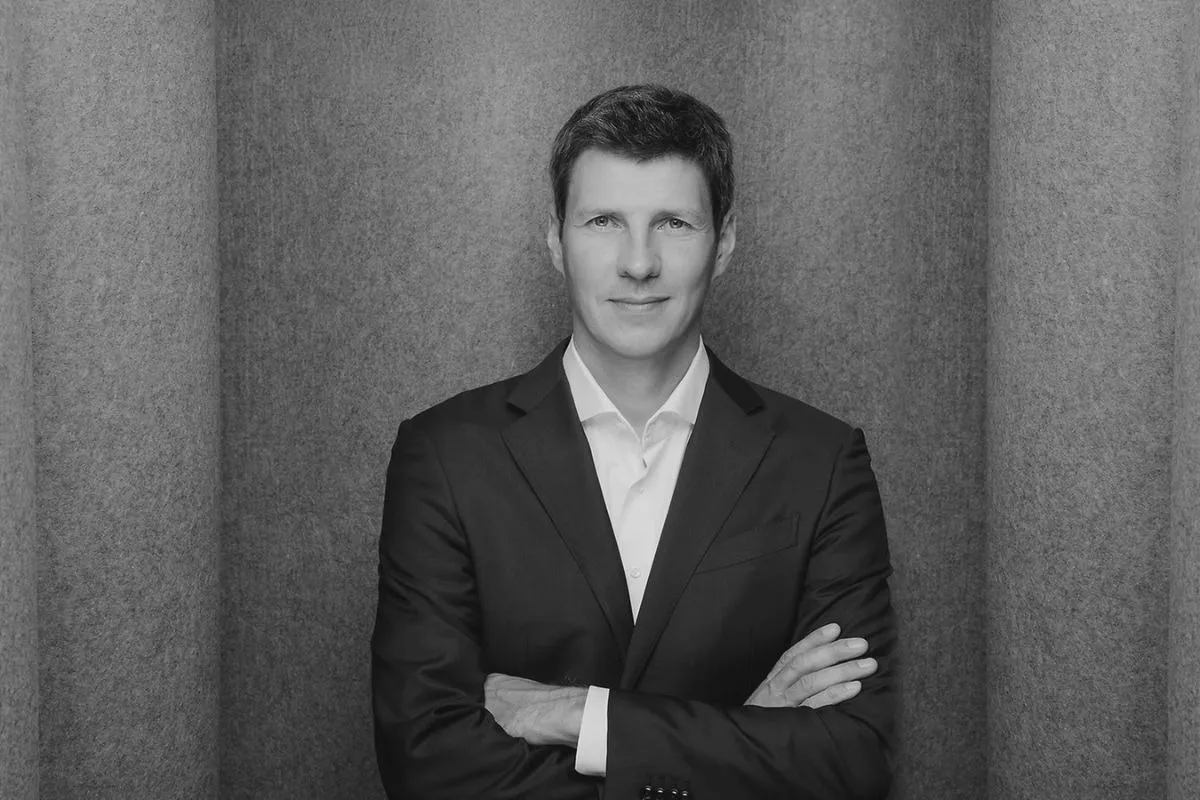
Michael Schiebe is overseeing the integration of AI into Mercedes-Benz’s production network as new vehicle and powertrain programs reach the factory floor. In June, its Berlin-Marienfelde plant began large-scale production of an electric axial-flux motor, combining AI-based quality control with automated manufacturing across seven production lines.
At Rastatt, Mercedes-Benz is also using digital twins to configure and optimize a production hall scheduled to manufacture the new GLA from 2027. The plant builds different powertrain variants on the same line, allowing production to respond to changing demand.
“MB.OS, artificial intelligence and our MO360 production ecosystem are closely integrated and enable even more flexible and efficient production,” Schiebe said.
Pradip Singh, Chief Manufacturing Officer, GlobalFoundries

Pradip Singh has an operating record behind GlobalFoundries’ latest robotics expansion. Two Spot robots in Singapore completed more than 90,000 sub-fab inspections since April, with a reported 99% mission success rate.
“Spot has helped us shift from reactive to predictive maintenance,” Singh said.
The chipmaker is expanding Spot across facilities in New York, Vermont, Germany and Singapore. The robots collect equipment-condition data that maintenance teams can use to identify developing problems.
GlobalFoundries will also begin onsite Atlas testing in early 2027. Singh’s program connects established inspection work with an evaluation of additional humanoid applications, beginning with task selection and integration requirements.
Athina Kanioura, CEO, Latin America, and Global Chief Strategy & Transformation Officer, PepsiCo

Athina Kanioura is changing how PepsiCo decides whether a factory needs more space or a different layout. The company uses Siemens Digital Twin Composer, built on NVIDIA Omniverse, to simulate changes to U.S. manufacturing and warehouse facilities before making physical modifications.
PepsiCo reported a 20% throughput increase in its initial deployment and capital expenditure reductions of 10% to 15%. The workflow combines digital twins, computer vision and AI agents to test configurations and identify capacity within existing facilities.
“We are deploying the first digital blueprint that reimagines how the supply chain is designed, built, and scaled,” Kanioura said.
Her work brings AI into capital-allocation decisions: teams can evaluate proposed production changes in simulation before committing to construction or equipment moves.
Mourad Tamoud, Chief Supply Chain Officer, Schneider Electric

For Mourad Tamoud, scaling AI includes deciding how much authority to give it. In a June account of Schneider Electric’s operations, he described systems that forecast demand and recommend actions while teams retain responsibility for final decisions.
“We experiment boldly, and scale what works,” Tamoud wrote.
At Schneider’s El Paso factory, growing data-center demand had created bottlenecks across production and logistics. The World Economic Forum reported that a transformation combining advanced AI, industrial connectivity and integrated logistics increased on-time delivery from 61% to 97% and reduced lead times by up to 35%.
Those results reflect a combined operating transformation. Tamoud’s account connects it to the management work behind expansion: testing applications in operations and establishing responsibility for the decisions they support.
Ulrich Wieland, VP of Production Control and Logistics, BMW Manufacturing
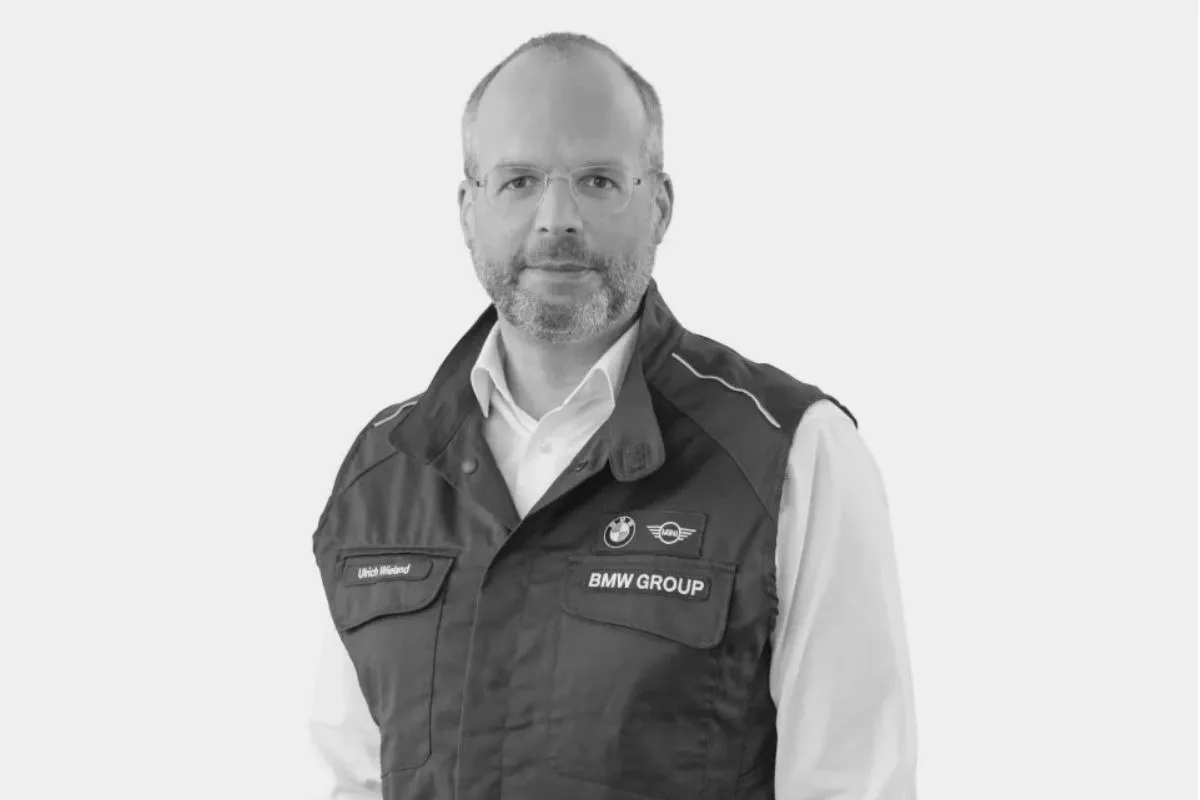
Ulrich Wieland is helping BMW move humanoids from one production task into another. At Spartanburg, South Carolina, Figure 02 supported production of more than 30,000 BMW X3 vehicles over ten months in 2025, positioning sheet-metal parts for welding.
BMW’s June 2026 update set out the next application: Figure 03 sorting parts from containers into sequencing trolleys for delivery to assembly.
Having completed the body-shop pilot, “we are now looking forward to deploying Figure 03 for a sequencing use case in logistics,” Wieland said.
His inclusion brings the factory customer into the robotics story. The new task must connect the humanoid’s picking work with the transport systems that deliver parts to assembly employees in the required order.
Luc Reynaert, Chief Product Supply Officer, Procter & Gamble
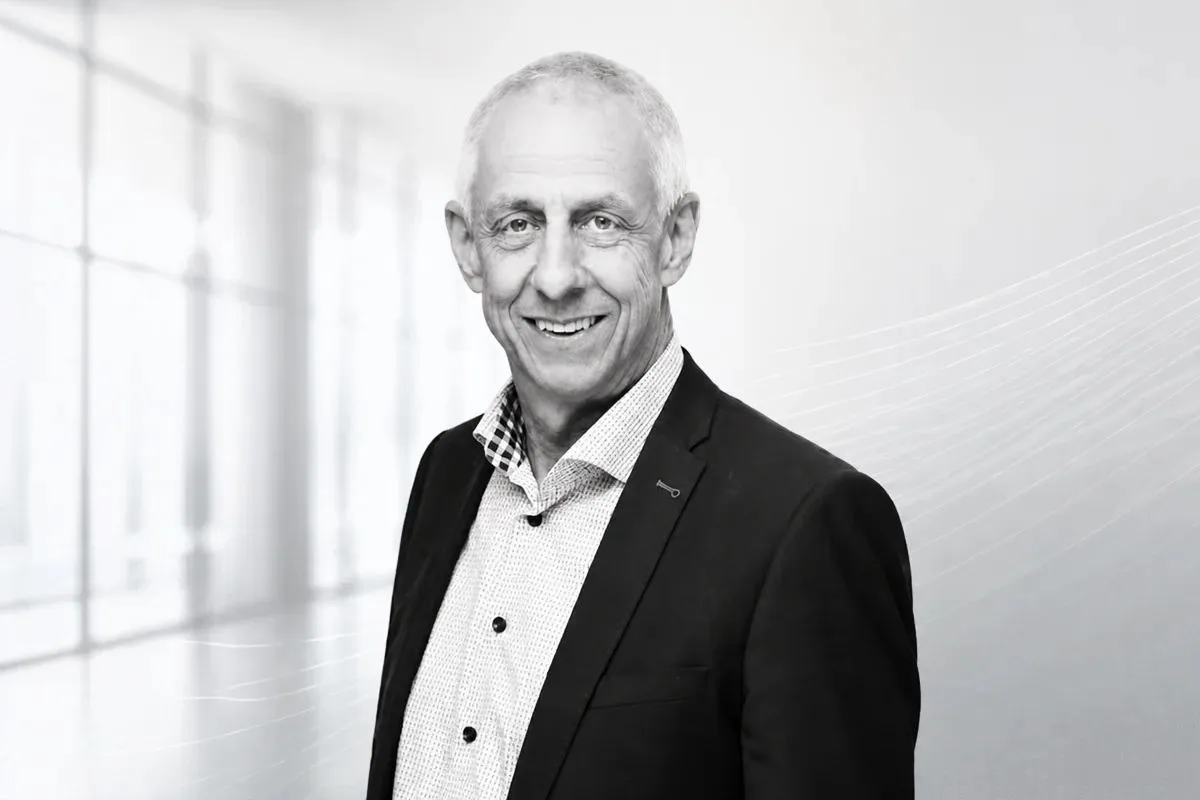
Luc Reynaert is applying AI to a recurring factory decision: what should the next shift prioritize? At Procter & Gamble’s latest investor event, he described an AI-enabled platform developed at its Mechelen site and subsequently deployed across other sites.
“What once took hours of data gathering and analysis is now done in five minutes,” Reynaert said.
The platform supports daily direction setting, when manufacturing teams review operating information and agree on shift priorities. It gives Reynaert a specific deployment example within Supply 3.0, the company’s broader manufacturing and supply-chain transformation.
That program also includes unattended operations running at more than 15 sites, using robotics, automation and digitization. Further expansion is planned for fiscal 2027.
Mandar Deo, VP of Digital Technology and Chief Digital Officer, GE Appliances
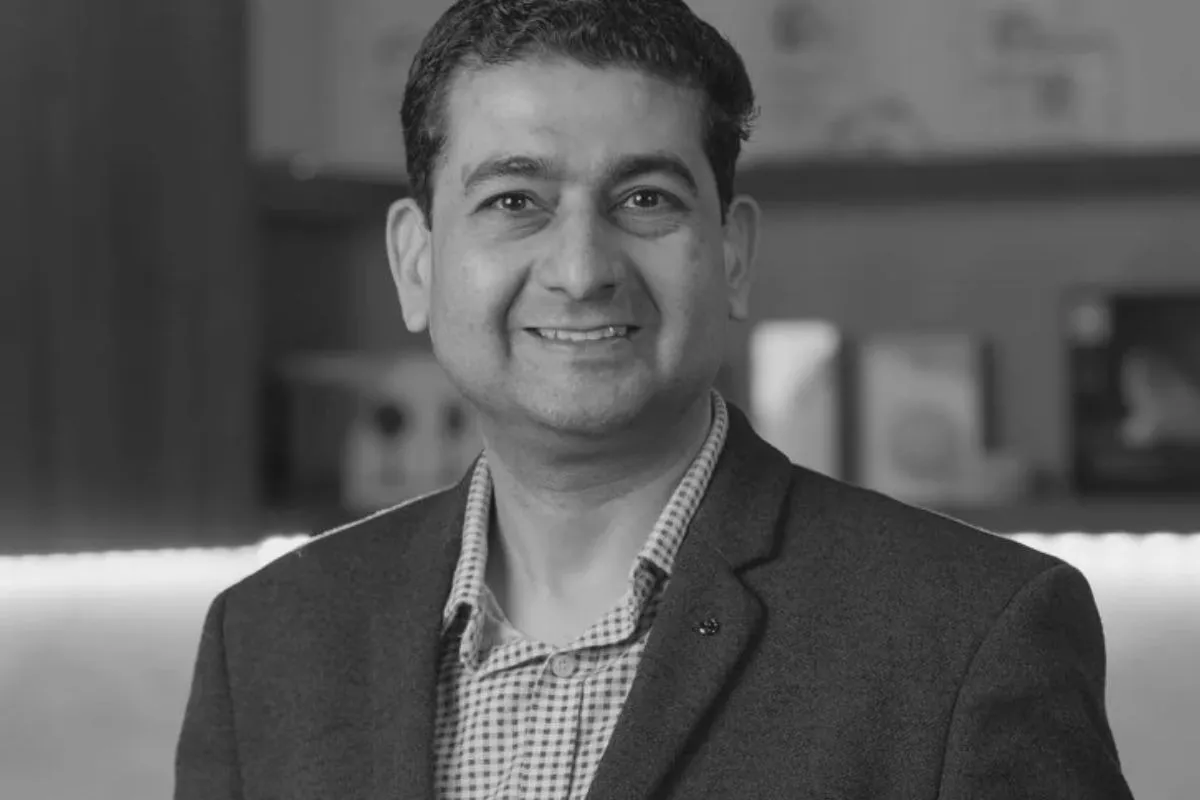
Mandar Deo’s work puts AI inside a system factory teams already use to understand production. GE Appliances has embedded Google Cloud’s Gemini Enterprise into Brilliant Factory, its platform for tracking production performance, component histories and workforce activity.
The company reported more than 800 AI agents across manufacturing, logistics and supply-chain operations in April. Agents analyze shift data in minutes, while employees can query production information without specialist data-science support.
“AI is now integral to the way work gets done at GE Appliances,” Deo said.
His team provides the connected data infrastructure and agent platform supporting that work. The implementation brings production analysis closer to the employees who need to investigate problems during a shift.
Adam Raeburn-James, Global VP for Digital Business Operations, Unilever
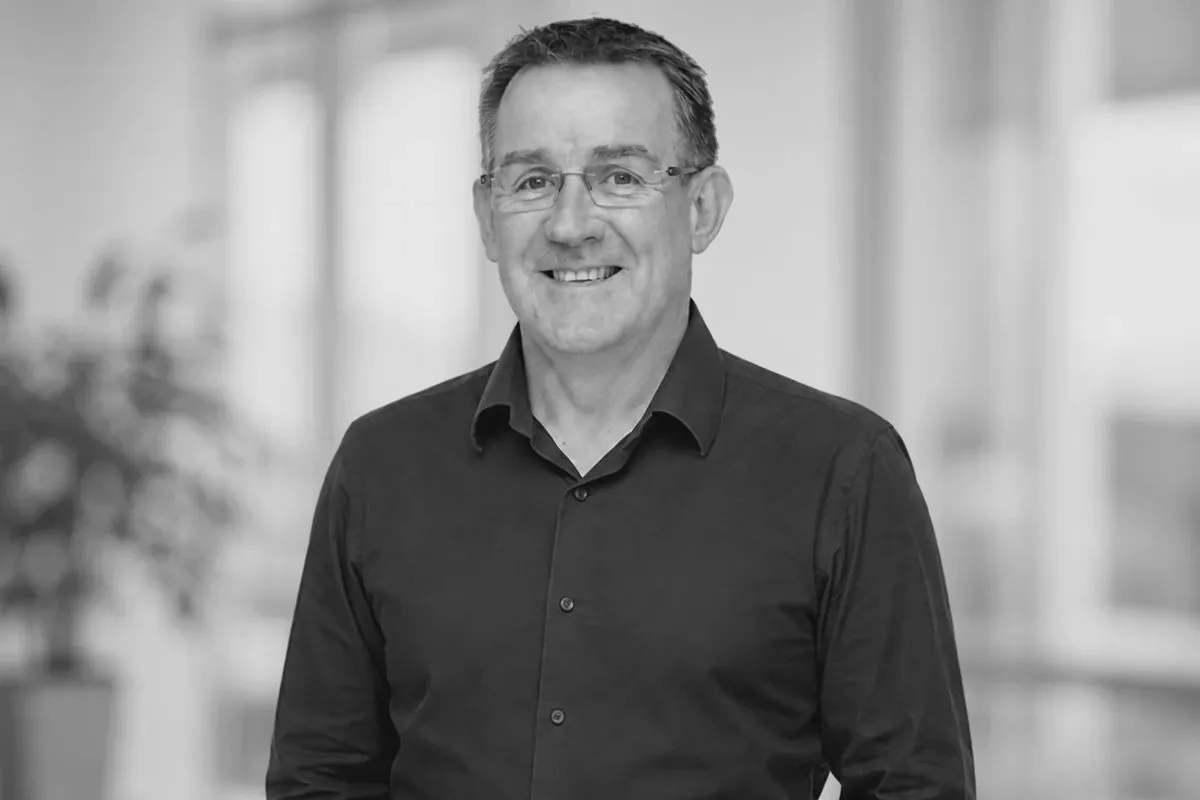
Adam Raeburn-James is helping Unilever expand factory digital twins after documented results at existing sites. At its Raeford, North Carolina, personal-care factory, a digital twin predicts 95% of process-flow restrictions in deodorant-stick manufacturing.
Unilever reported a 20% reduction in waste and a 10% increase in capacity at the site. The system uses operating data to help teams anticipate production constraints.
The company plans to build more than 40 additional digital twins over 18 months with Accenture. The expansion combines AI-enabled insights with tools for simulating production scenarios and anticipating maintenance needs.
“Through our partnership with Accenture to accelerate digital twins, we are turning innovation into measurable impact,” Raeburn-James said.
[This editorial selection highlights leaders advancing AI in drug development and is presented in no particular order.]
Join the discussion
0 answers
People who run these systems answer here. Your verified role is shown, never your employer unless you choose.
Sign in with LinkedIn to answer
Read next


Chaos Predictions — every Monday
Where enterprise AI is heading next, read from the week’s deployments across banking, pharma, manufacturing and retail.
Free. One email every Monday. Unsubscribe in one click.


