

 Manufacturing

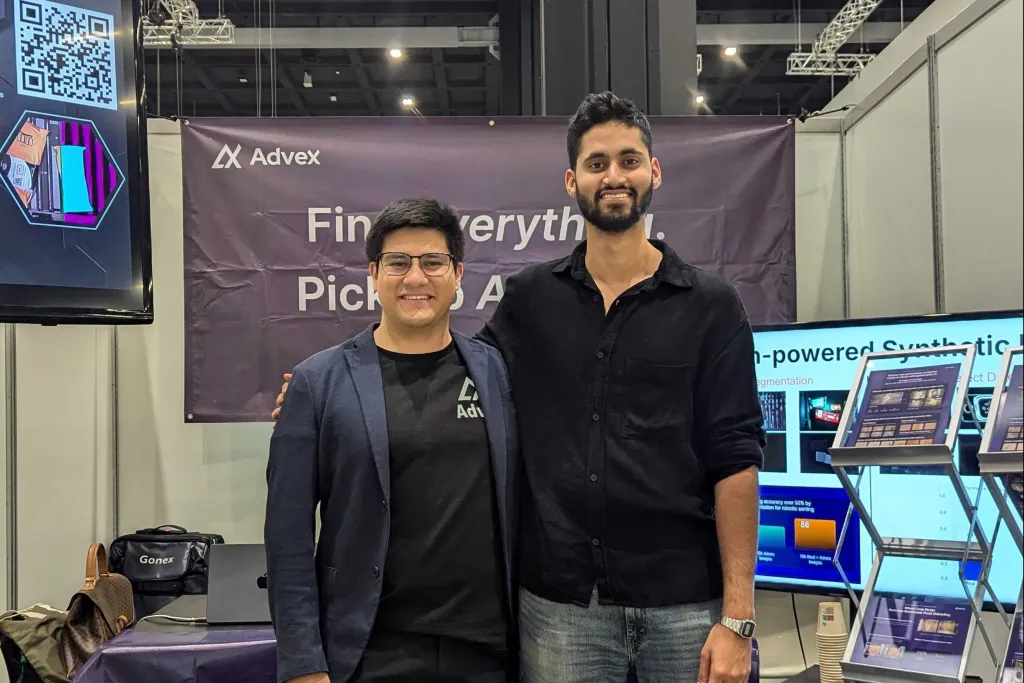
Advex AI is tackling a significant problem: the lack of high-quality data, which is transforming how manufacturers approach AI-driven automation. With the current $3.5 million in funding, the San Francisco-based business may now further develop its creative method of creating synthetic data for machine vision systems. Advex, which was founded by Pedro Pachuca and Qasim Wani, creates hundreds of synthetic images that mimic intricate patterns and flaws, enabling businesses to rapidly train AI models with less real-world material.
This novel solution significantly reduces the time and cost typically associated with data collection, allowing manufacturers to implement robust machine vision capabilities with unprecedented speed. Pachuca’s background as a machine learning researcher at Google Brain has equipped him with the expertise to navigate the complex world of AI. He credits a combination of strategic networking and cold outreach with helping Advex secure a significant customer base even during its stealth phase. Advex has already attracted seven major enterprise clients during its stealth phase, demonstrating early traction in a competitive market. The startup’s team, consisting of just six members, has successfully leveraged Pachuca's extensive background in machine learning, including his previous work at Google Brain, to establish a credible foothold in the industry.
At the heart of Advex's technology is a proprietary diffusion model that generates synthetic data tailored to specific use cases. For instance, a car manufacturer needing to detect defects in seat materials can provide a small sample of images featuring various damages. Advex then extrapolates from this limited dataset, creating a vast array of synthetic images that cover a wide range of defect types and appearances. This approach allows manufacturers to train their AI systems more effectively, ensuring they are better equipped to recognize a variety of defects in real-time production settings. “We’re not just creating any images; we’re creating the images you don’t have,” Pachuca explains. This unique capability focuses on identifying gaps in existing datasets and filling them with relevant synthetic data.
