UT Austin Appoints Hongfang Liu to Lead New AI and Health Sciences Department
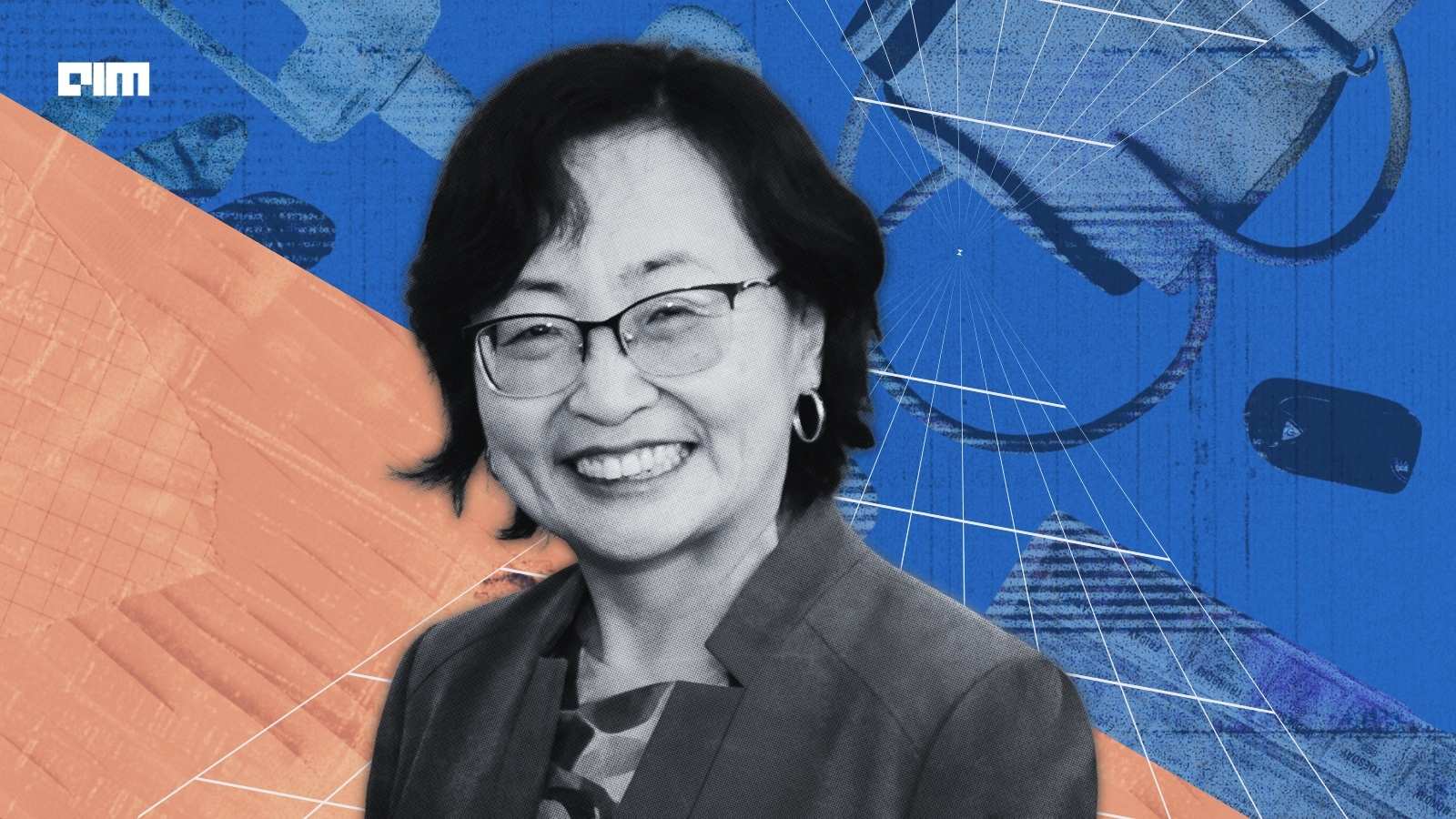
Dell Medical School appointed Hongfang Liu as chair of a new AI-focused health sciences department and chief translational AI officer.
Dell Medical School at The University of Texas at Austin appointed Hongfang Liu, PhD, as the inaugural chair of its newly created Department of Quantitative and Systems Health Sciences and as chief translational AI and informatics officer for UT Dell Medical Center, according to the university’s announcement. The department officially launches on Aug. 31.
Liu will also hold the Carolyn and Kenneth Shine Endowed Chair in Artificial Intelligence. She joins UT Austin from leadership roles at UTHealth Houston and Mayo Clinic, where her work focused on biomedical informatics, digital health infrastructure, clinical natural language processing (NLP), and real-world healthcare data systems.
The appointment comes as healthcare organizations continue expanding enterprise AI programs tied to clinical workflows, operational systems, and research infrastructure. Large health systems have increasingly focused on AI-enabled data platforms, including initiatives involving clinical documentation, imaging, predictive analytics, and real-world evidence generation. Related healthcare AI deployments have also accelerated across hospital systems and enterprise care networks.
Mayo Clinic and UT System AI Work
At Mayo Clinic, Liu led development of the Clinical Language Analytics Service Infrastructure, an AI-driven clinical NLP platform that supported more than 800 research projects and over 50 National Institutes of Health-funded studies, according to the university announcement and Mayo Clinic research publications.
She also led the Open Health Natural Language Processing consortium, which developed open-source biomedical NLP tools used in healthcare and research environments globally.
Since joining UTHealth Houston in 2023 through a Cancer Prevention and Research Institute of Texas Established Investigator Award, Liu expanded leadership across several UT System AI and health data initiatives. Those efforts included work tied to the UT System Health Intelligence Platform, which aims to create shared data infrastructure across UT health institutions.
Liu also directs the UT REAL Health AI Pilot Program, which focuses on responsible AI deployment in healthcare systems and clinical environments.
The growth of AI governance and healthcare data standardization efforts has become increasingly important as hospital systems move from pilot-stage AI programs toward operational deployment. Healthcare providers have also faced growing pressure to unify fragmented clinical and operational data environments before scaling AI tools across organizations. Similar infrastructure-focused approaches have emerged across healthcare and life sciences AI programs.
Focus on Translational AI and Real-World Data
Dell Medical School said Liu’s research has focused on converting large-scale biomedical data into clinical and operational insights tied to precision medicine and patient outcomes.
Claudia F. Lucchinetti, MD, Dean of Dell Medical School and Senior Vice President for Medical Affairs at UT Austin, said in the announcement that Liu had demonstrated the ability to build “transformative programs at institutional and national scale.”
Liu currently serves as a principal leader of ReCARDO, a $27.2 million National Institute on Aging initiative focused on harmonizing real-world clinical data for Alzheimer’s disease and dementia research across 10 institutions nationwide.
Her work has spanned bioinformatics, software engineering, epidemiology, cancer research, healthcare delivery, and machine learning systems for biomedical NLP.
In her new role, Liu will oversee AI-related academic and operational strategy across clinical care, education, and research initiatives at UT Dell Medical Center and Dell Medical School.
“Healthcare is entering a transformative era where artificial intelligence, computational medicine and human-centered care must evolve together,” Liu said in the announcement.
UT Austin has expanded its healthcare and AI ambitions in recent years, including broader investments tied to research infrastructure, translational medicine, and AI-enabled healthcare systems. Earlier this year, the university announced a transformational investment supporting the UT Dell campus for advanced research and the UT Dell Medical Center.
Key Takeaways
- UT Austin's Dell Medical School launched a new AI and Health Sciences Department.
- Hongfang Liu was appointed to lead the new department and as Chief Translational AI Officer.
- Liu brings extensive experience in biomedical informatics and clinical AI from Mayo Clinic.
- The appointment reflects healthcare's growing focus on integrating AI into clinical and operational systems.