Businessolver Appoints Sony SungChu as Its First Chief AI Officer
"AI does not create value in isolation; its utility is given by human ingenuity."
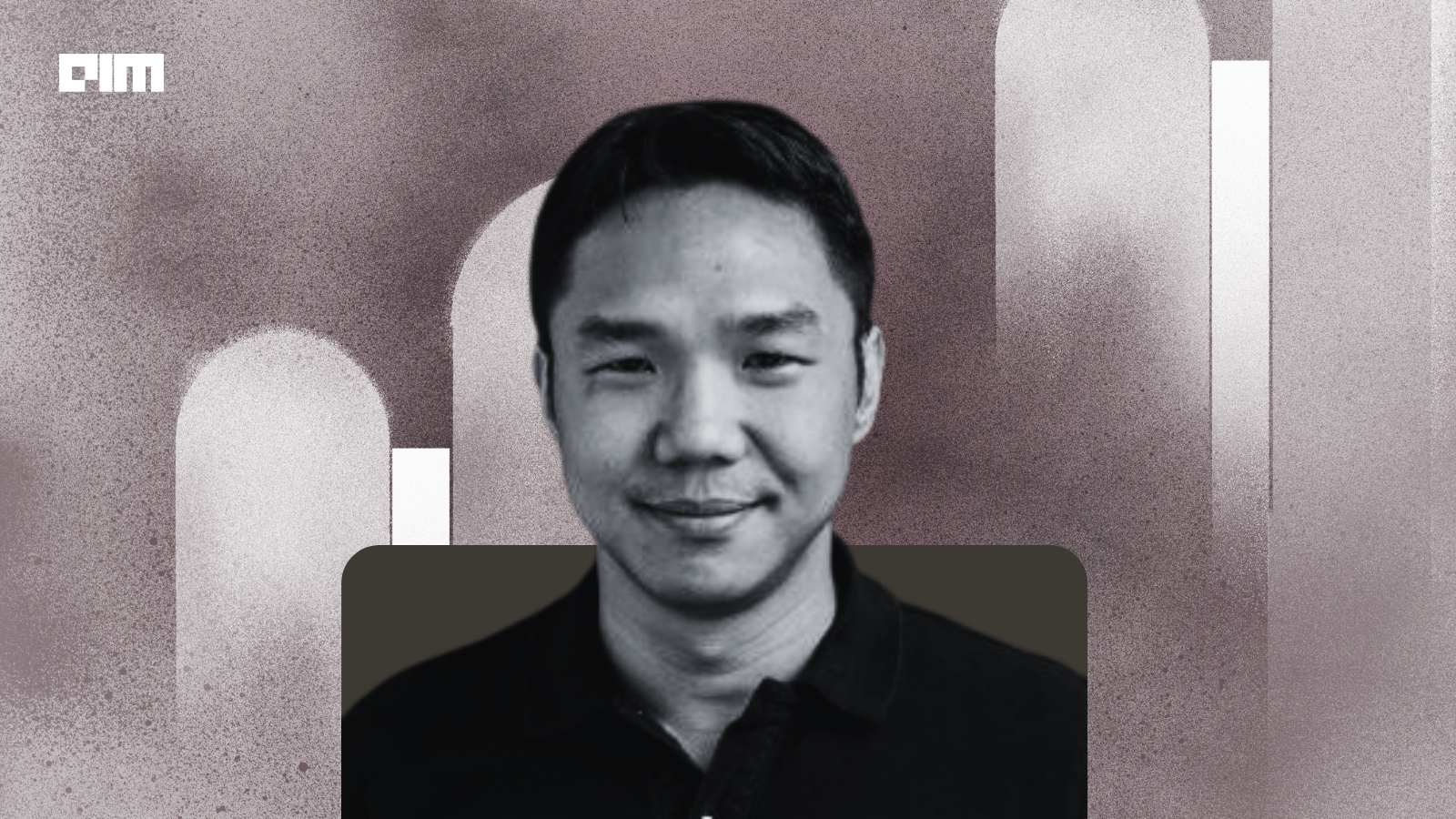
Businessolver, a benefits administration technology company, announced the appointment of Sony SungChu as its first Chief AI Officer on April 14, placing AI governance and strategy at the executive level for the first time in the company's history.
The role is newly established. SungChu moves into it from his previous position as Head of Science and Innovation, where he built the technical infrastructure behind Sofia, the intelligence layer embedded across the company's benefits platform and service operations. Before joining Businessolver, SungChu held a senior role at Amazon.
Businessolver's benefits platform sits inside a specific kind of complexity. According to the company, employees make consequential decisions about health coverage, finances, and family benefits, often under time pressure and with incomplete information. Employers, meanwhile, manage cost, compliance, and workforce needs simultaneously.
The company's argument for creating the CAIO role is that in environments with that level of consequence, the quality of AI application matters more than its presence.
SungChu's mandate centers on three areas: improving decision quality across the platform, modernizing service and operational workflows, and ensuring AI is embedded responsibly within regulated benefits environments, according to the press release.
The role sits at the intersection of technology, product, and governance, and SungChu will work directly with product, UX, security, and compliance teams.
"AI leadership at the executive level isn't optional in our category—it's how trust, scale, and outcomes are delivered responsibly," said Jon Shanahan, President and Chief Executive Officer of Businessolver.
The appointment marks a stated shift in how Businessolver describes its product direction. The company is moving away from reactive benefits administration toward what it calls an anticipatory model, using data and intelligence to resolve issues earlier and guide employees at the point of decision rather than after it.
SungChu's prior work on Sofia, which Businessolver describes as the intelligence layer across its entire platform, is the technical foundation for that shift.
Under his leadership as CAIO, the company said it will focus on shortening response and resolution times, expanding access to institutional knowledge for service teams, and improving the feedback loops that shape how the platform responds to user needs over time.
"AI does not create value in isolation; its utility is given by human ingenuity," SungChu said. "The future we're building is one where people use AI to do meaningful, high-impact work. That starts with systems that understand context, anticipate intent, and perform reliably in the real complexity of benefits."