

PharmaList
8 Leaders Moving AI Into Drug Development in 2026
Meet eight leaders working to turn AI’s ambition to solve disease into medicines, from designing molecules to advancing candidates through clinical trials.


The brief
- An early study found 80% to 90% Phase 1 success for AI-discovered molecules, falling to around 40% in Phase 2, comparable to historical industry averages and based on a limited sample.
- Demis Hassabis, Najat Khan, Kim Branson and Aliza Apple are among the eight leaders featured for their work bringing AI into drug discovery and development.
- These leaders are using AI to identify promising targets and design molecules, while advancing drug candidates toward clinical testing, where potential treatments must demonstrate safety and patient benefit.
Deployment
- Company
- Isomorphic Labs
- System
- drug-design engine
- Stage
- Live
- success rate Phase 1 trials
- 80-90%
A promising molecule can take months to discover and years to prove useful to patients. AI is beginning to change the first part of that equation, while drug development still depends on demonstrating that a treatment works safely in people.
The brief
- An early study found 80% to 90% Phase 1 success for AI-discovered molecules, falling to around 40% in Phase 2, comparable to historical industry averages and based on a limited sample.
- Demis Hassabis, Najat Khan, Kim Branson and Aliza Apple are among the eight leaders featured for their work bringing AI into drug discovery and development.
- These leaders are using AI to identify promising targets and design molecules, while advancing drug candidates toward clinical testing, where potential treatments must demonstrate safety and patient benefit.
Deployment
- Company
- Isomorphic Labs
- System
- drug-design engine
- Stage
- Live
- success rate Phase 1 trials
- 80-90%
An early analysis published in Drug Discovery Today found that AI-discovered molecules achieved an estimated 80% to 90% success rate in Phase 1 trials. In Phase 2, where researchers investigate whether treatments benefit patients, success was around 40%, comparable to historical industry averages. The study’s limited sample makes these early signals rather than a verdict on AI’s impact.
That gap helps explain why leadership matters. Decisions about which biological targets to pursue and which candidates deserve further investment determine how computational progress moves through drug development. The eight leaders below were selected for their roles in documented AI deployments and research programs, including experimental evaluations and clinical milestones reported in 2026.
Demis Hassabis, Founder and CEO, Isomorphic Labs
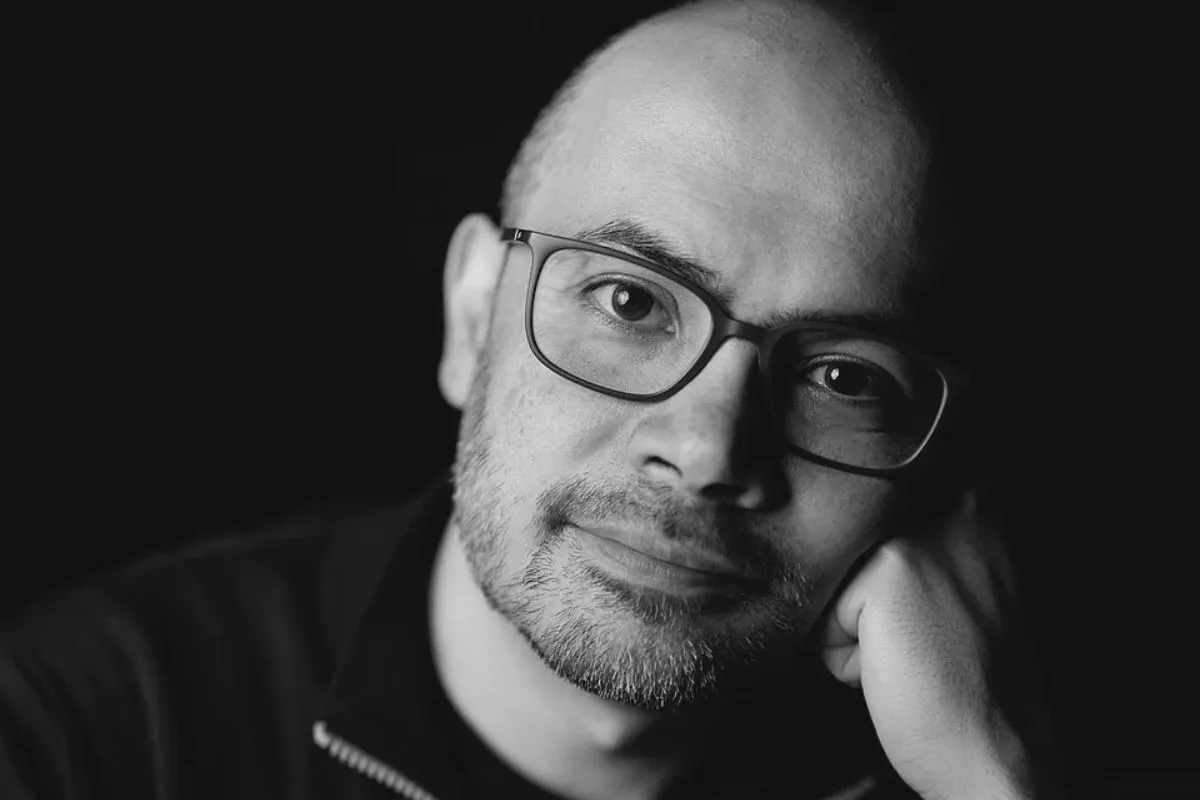
Demis Hassabis has become something of a poster child for AI-driven drug discovery. After sharing the 2024 Nobel Prize in Chemistry for protein-structure prediction, he is pursuing a broader ambition through Isomorphic Labs: using AI to help “solve all disease.” Recently, the company raised $5 billion to expand its drug-design engine and advance its first therapeutic programs toward clinical trials.
Hassabis is building a company that develops its own medicines alongside pharmaceutical partnerships. Its engine combines predictive models with agents that generate and refine molecules, helping scientists choose which compounds to make.
In a September demonstration, an agent searched for designs against scientists’ specifications over two to four days. Researchers synthesized selected compounds and reported that one changed its intended biological target’s activity in the laboratory.
Isomorphic now reports positive preclinical results in oncology and immunology. The funding will also support the translational and clinical-development capabilities needed to move candidates toward human testing, the next stage in Hassabis’s effort to turn computational advances into medicines.
“Our drug design engine is generating molecules with unprecedented precision and speed,” Hassabis said.
Eric Kauderer-Abrams, Head of Life Sciences, Anthropic
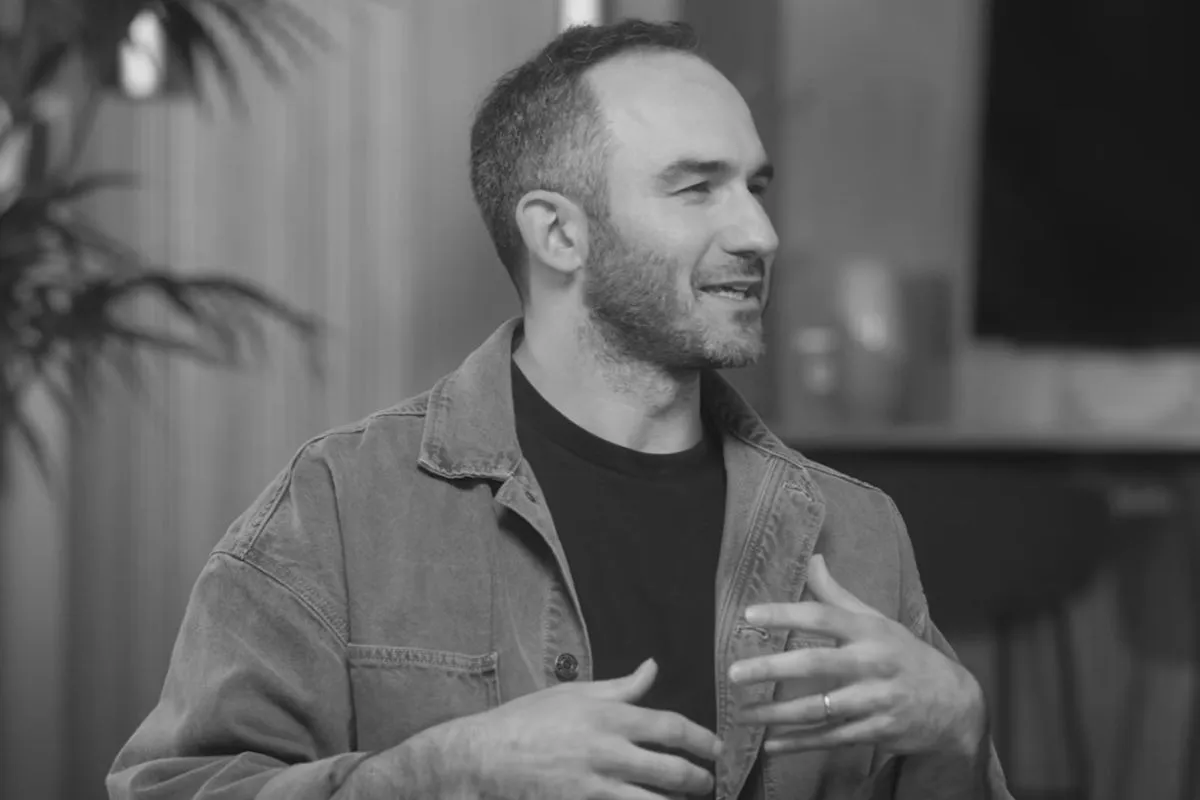
Eric Kauderer-Abrams is helping take Anthropic into the work of developing medicines. Its life sciences effort now spans pharmaceutical research partnerships and internal drug programs, giving the company opportunities to test Claude against problems encountered during actual development.
In October, Anthropic detailed work with six organizations, including Bristol Myers Squibb and Generate Biomedicines. The applications extend from molecular research to clinical-trial planning, reflecting its view that drug development has bottlenecks throughout the process.
Anthropic also acquired Mithril Medicine, whose founder, Cody Tranbarger, used Claude to coordinate research with outside laboratories. Its muscular-dystrophy projects became Anthropic’s first in-house drug-development programs, which Tranbarger continues to run. The reported results remain preclinical, with human testing still ahead.
Kauderer-Abrams has emphasized the experimental work needed to establish whether AI’s predictions hold up. “We believe that to do biology, the final test is still and will be for a while in real lab work,” he told Reuters.
Najat Khan, CEO and President, Recursion
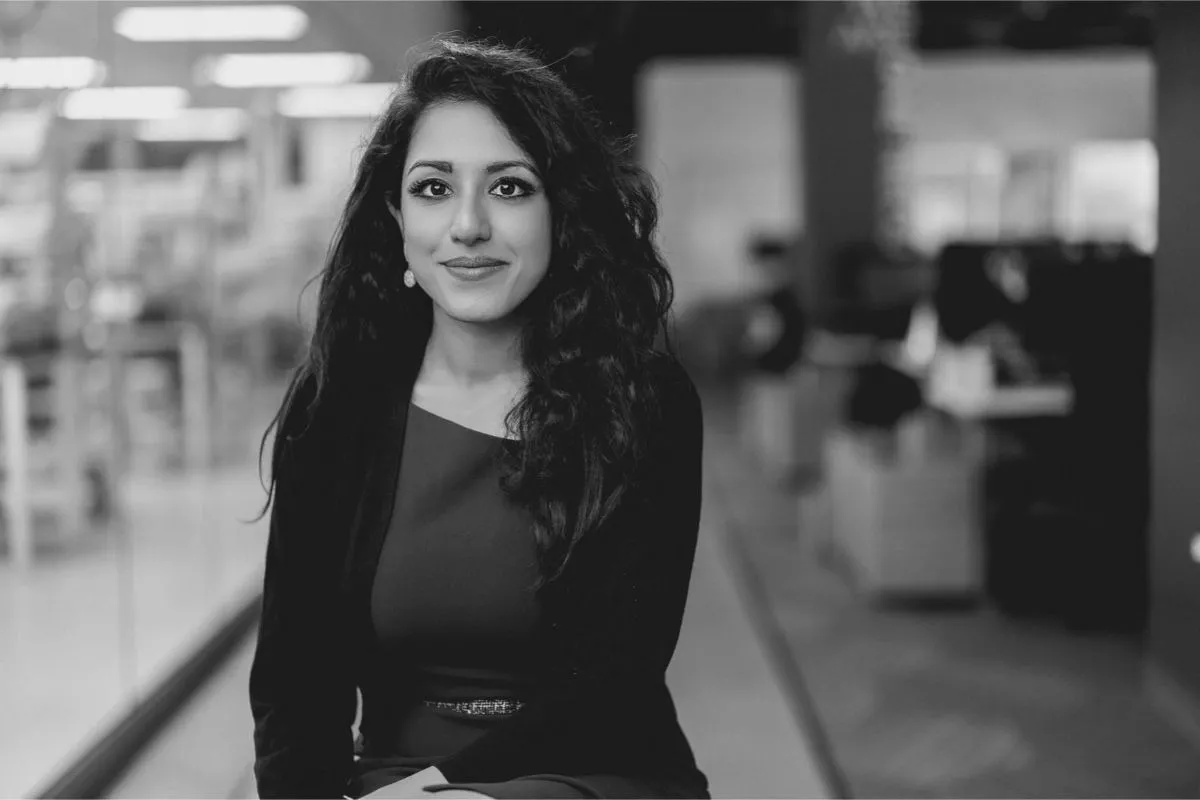
Khan’s approach to AI drug development includes changing how many molecules scientists need to make. Speaking on The BioCentury Show in March, she said Recursion synthesized about 330 compounds per advanced candidate across its discovery portfolio, compared with an industry benchmark of more than 2,500. She reported reaching that stage in 17 months versus 42 months for the benchmark.
“We’re simulating more, making less,” Khan said. The figures are company-reported comparisons, describing discovery efficiency rather than the time needed to establish safety and efficacy in patients.
The company’s clinical pipeline provides another reason for her inclusion. In November, Recursion reported FDA alignment on a registrational Phase 3 trial design for REC-4881 in familial adenomatous polyposis. AI-enabled screening helped identify the drug’s potential in the disease; the approximately 200-person trial is expected to begin in the second half of 2027.
“It’s going to be what value you’ve created using AI,” said Khan.
Kim Branson, Chief AI Officer, GSK
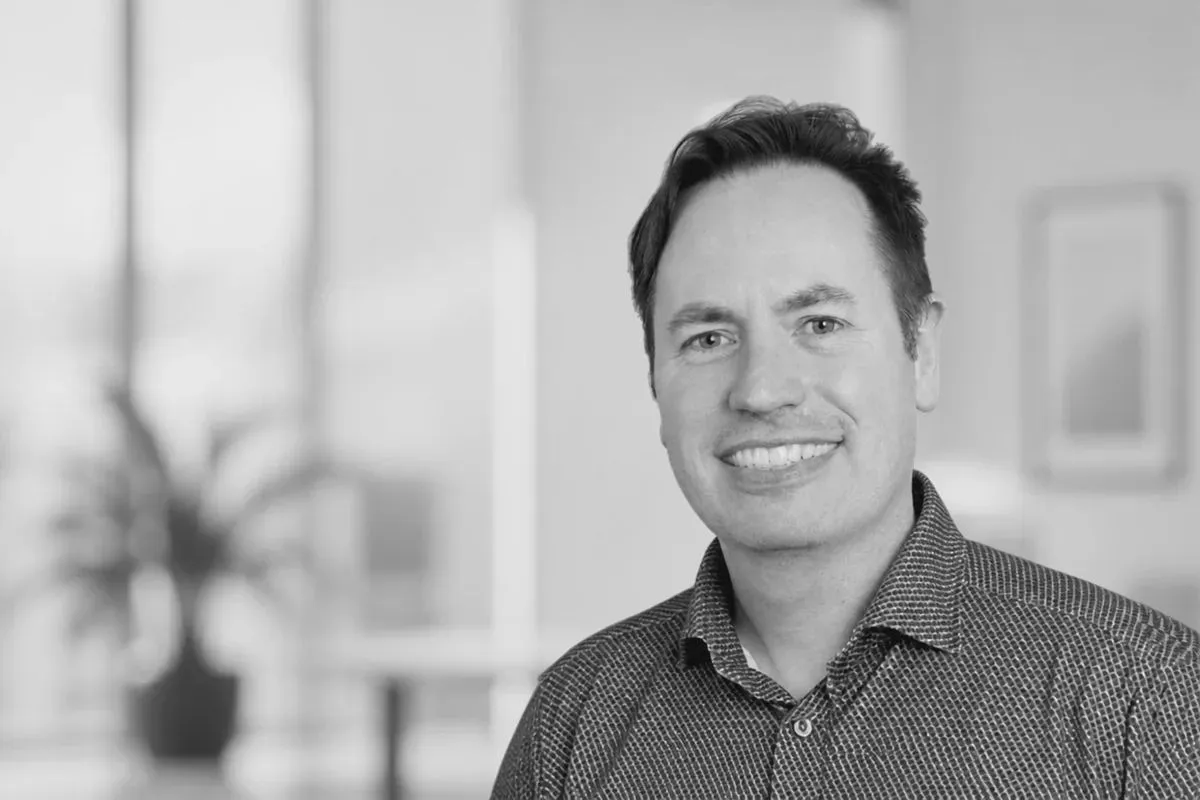
Kim Branson is using AI to help GSK decide where to spend its next experimental dollar. At Runtime 2026, he described deploying agent swarms that investigate scientists’ questions using published literature and internal datasets, then help identify experiments to test the findings.
Branson’s focus is on making those recommendations useful within the constraints of a working laboratory. Researchers review and adjust plans, feeding their judgment back into the system. “Everything is a ranking game ’cause no one has infinite resources,” he said.
He is also bringing external models into GSK’s research. In August, Noetik reported deploying its OCTO-VC inference and fine-tuning capabilities, which GSK teams use for virtual-cell experiments and investigations into patient groups. That provides a documented deployment milestone alongside Branson’s account of the company’s internal systems.
His approach draws a boundary around the scientific decisions GSK needs to retain: “But knowing what to make the medicine against, like, that’s a, that’s a thing we have to own,” he said.
Brian Alexander, CEO, Valo Health
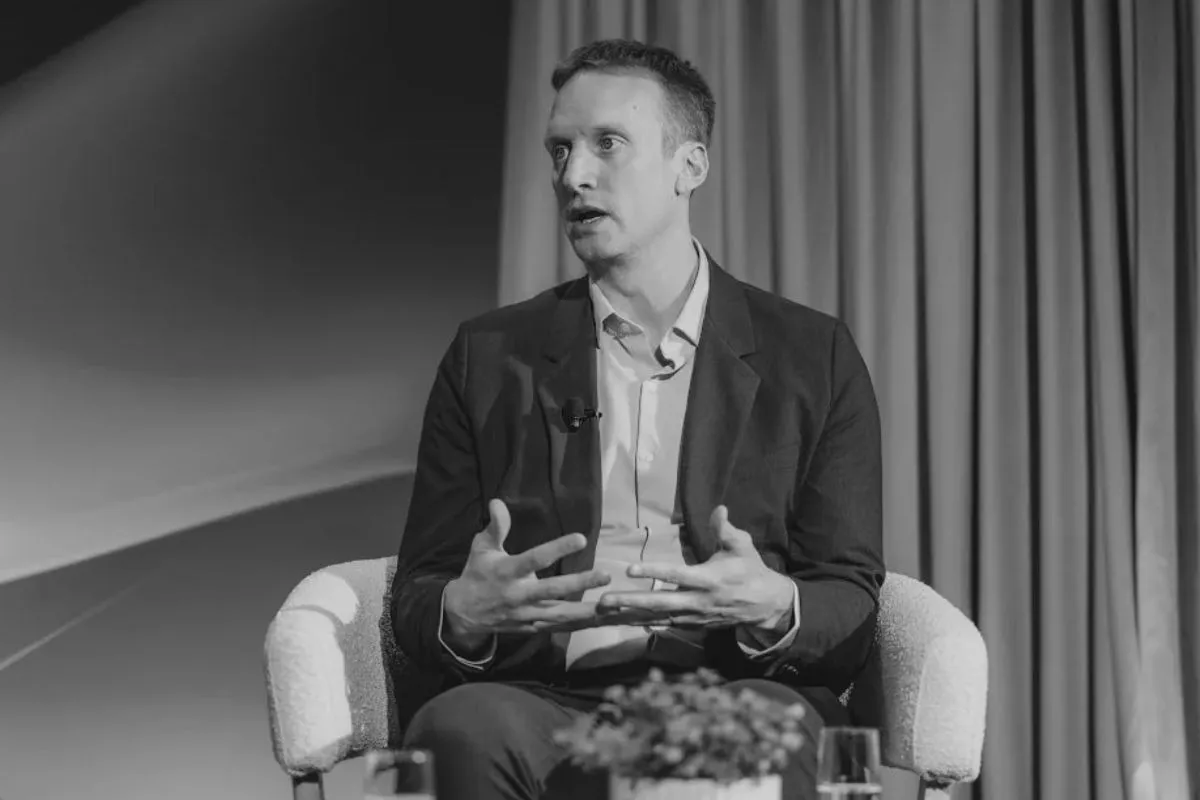
Brian Alexander sees a recurring problem in drug development: a promising treatment can fail because researchers chose the wrong target or tested it in too broadly defined a patient population. He is building Valo’s approach around learning from human data before those decisions become expensive clinical bets.
Valo has access to millions of patient records spanning decades of care, which Alexander says can help prioritize targets and design trials around the right patients and endpoints. But identifying useful biology leaves another challenge: making a molecule that can act on it.
Alexander now leads the combined Valo and Montai business following their November merger. The combination brings Valo’s AI-enabled analysis of human biology together with Montai’s chemistry platform and pipeline, including MTAI-1025, an oral drug in Phase 1 development for ulcerative colitis.
His task is to connect those capabilities across drug development, from choosing a target to identifying the patients most likely to benefit. “Human evidence should guide every step of drug discovery,” Alexander said.
Sam Rodriques, Co-Founder and CEO, Edison Scientific
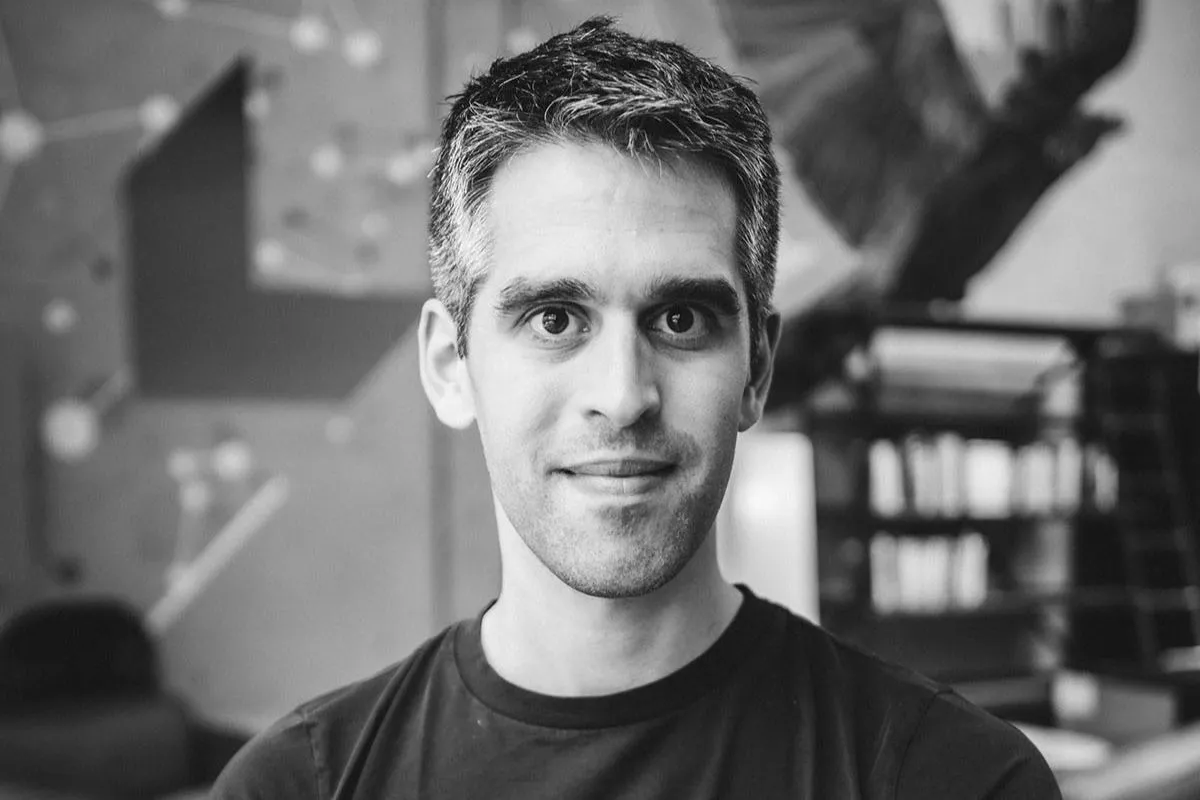
Sam Rodriques wants pharmaceutical companies to pursue more drug programs without expanding their teams at the same pace. His starting point is the scarcity of scientific talent, a constraint he believes AI agents can help address by investigating more evidence and hypotheses.
“The pharma companies of the future will be much more lean,” Rodriques said on Gradient Descent. He launched FutureHouse in 2023 to build an AI scientist, then Edison Scientific in 2025 to commercialize that work.
At Incyte, Edison’s Kosmos Target Assessment assembles evidence before scientists take a drug target to review committees. A November retrospective evaluation reported assessments completed in less than one workday on average, with the largest improvements in strategic considerations and portfolio fit. Those findings concern preparation for decisions, with scientists retaining responsibility for which targets advance.
Rodriques is also taking Kosmos into Pfizer through an agreement to connect it with proprietary research data. Edison’s scientists and engineers will work alongside Pfizer teams to integrate the system into specific workflows.
Despite his ambition, Rodriques sets a demanding measure of success: “the proof is in the pudding and the pudding is approved drugs,” he said.
Alex Zhavoronkov, Founder and CEO, Insilico Medicine
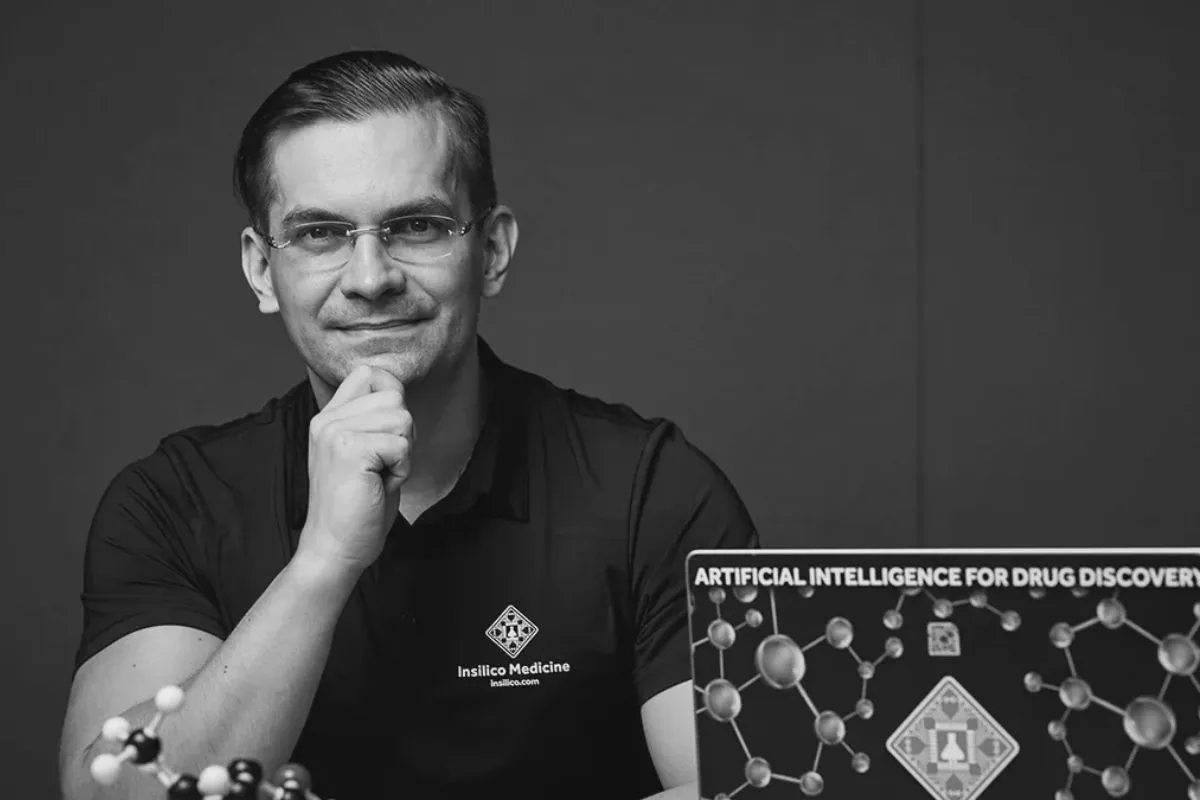
Alex Zhavoronkov measures AI’s progress by the medicines it produces. In September, Insilico began dosing patients in a Phase 3 trial of rentosertib, a lung fibrosis candidate whose target identification and molecular design both involved AI.
The study plans to enroll 320 patients across 47 centers in China and evaluate treatment over 52 weeks. For Zhavoronkov, it puts years of computational discovery into a larger clinical test of whether the resulting medicine benefits patients.
“We advanced an AI-discovered drug candidate into Phase III. Now I want to do it again, across diseases,” he said in Insilico’s November announcement.
His longer-term ambition connects drug development with aging research. In a recent interview, Zhavoronkov described foundation models that combine biological data to investigate potential targets, alongside agents performing extended research tasks. He also discussed virtual-cell models incorporating time and cellular senescence, the process through which cells enter a lasting state of growth arrest.
He draws a distinction between encouraging aging biomarkers and demonstrating longer life: establishing a longevity benefit would require survival evidence and data from healthy people. His immediate measure remains clinical progress.
“The real performance benchmarks are the drugs,” Zhavoronkov said.
Aliza Apple, VP, Catalyze360 AI/ML, and Global Head of Lilly TuneLab
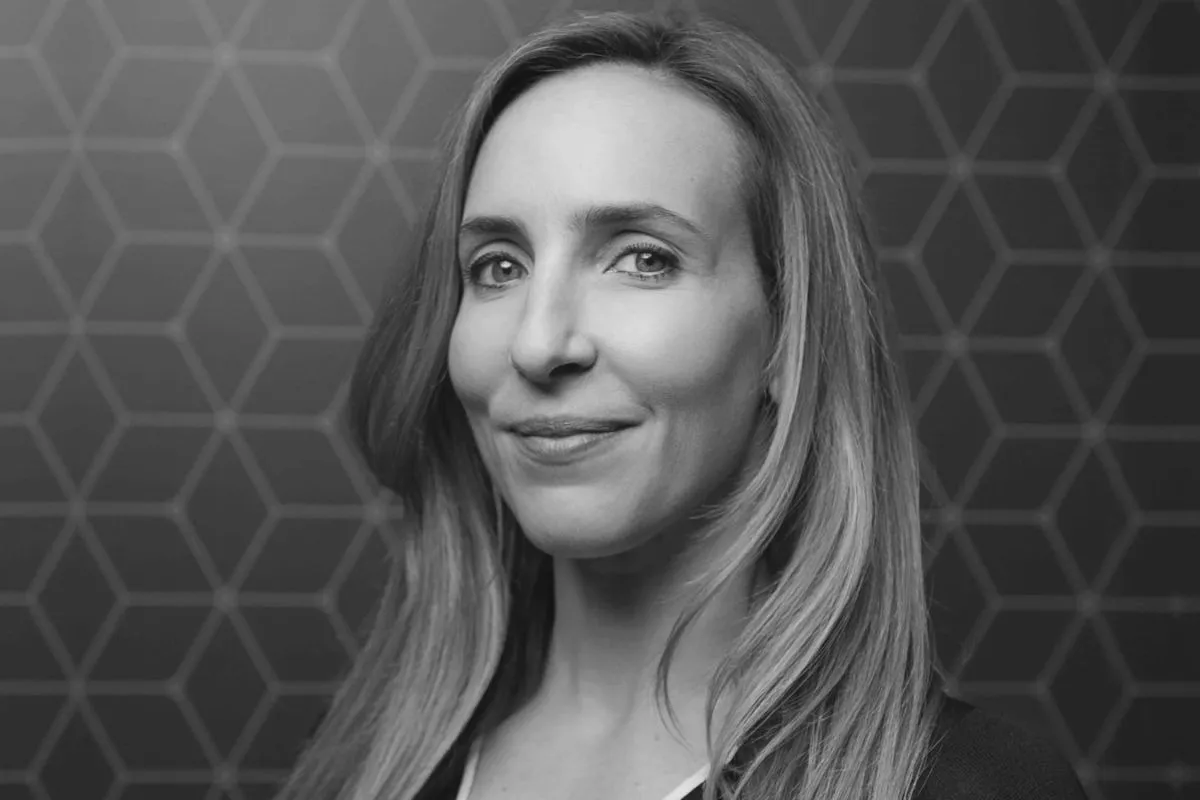
Aliza Apple’s experience co-founding a biotech company now informs how she opens Lilly’s research capabilities to others. Through TuneLab, she gives participating companies access to drug-discovery models trained on decades of proprietary Lilly data, including models used by its own researchers.
The exchange is designed around what emerging biotechs can contribute. “We give companies access to our models and in exchange for that access, we get a training data contribution,”
Apple said in a 2025 interview with Ira Pastor on Progress, Potential, and Possibilities. She explained that companies could begin using the models before generating their contribution, allowing them to first select compounds, synthesize them and collect experimental results.
That approach expanded in October, when models developed by insitro with Lilly became available to eligible TuneLab companies. Trained on preclinical measurements from hundreds of thousands of molecules, they predict properties including how compounds behave in living organisms.
Apple’s work moves those predictions into earlier decisions about which molecules deserve laboratory investment. The models bring signals usually obtained through later-stage animal studies into virtual screening, “before a molecule is even synthesized,” she said.
[This editorial selection highlights leaders advancing AI in drug development and is presented in no particular order.]
Last updated
Join the discussion
0 answers
People who run these systems answer here. Your verified role is shown, never your employer unless you choose.
Sign in with LinkedIn to answer
Read next


Chaos Predictions — every Monday
Where enterprise AI is heading next, read from the week’s deployments across banking, pharma, manufacturing and retail.
Free. One email every Monday. Unsubscribe in one click.


