Big Money Is Buying Up Radiology AI. Here's Why
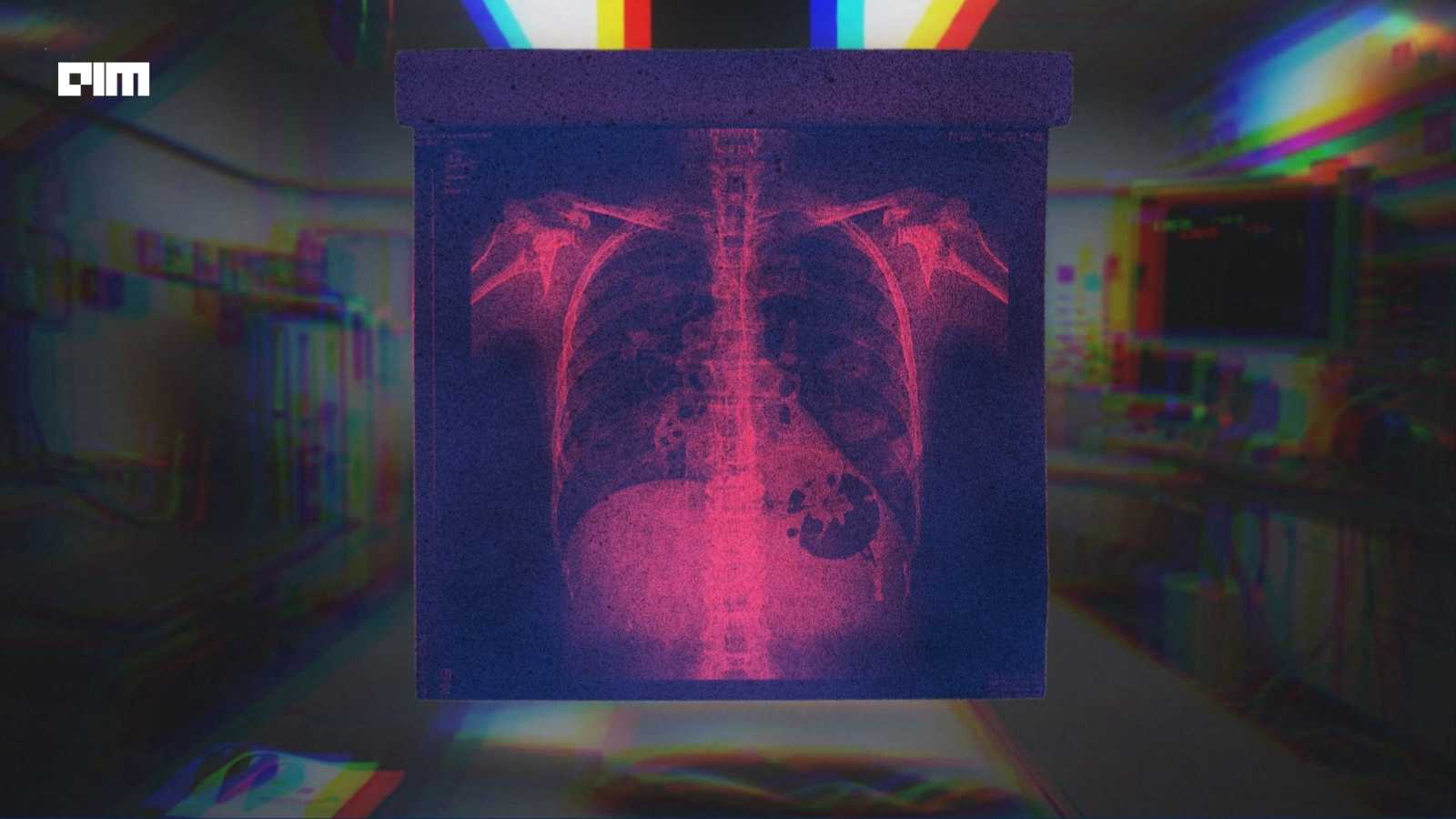
Hundreds of millions of dollars in deals are concentrating medical imaging's most important technology
RadNet acquired Gleamer, a Paris-based radiology AI company, for up to $270 million in early March 2026, folding it into its DeepHealth subsidiary and making DeepHealth what the company describes as the largest provider of radiology clinical AI solutions worldwide.
Kees Wesdorp, President and CEO of DeepHealth, said in a statement to AIM Media House the deal is about "redefining how imaging is delivered, at scale, with intelligence and automation." The acquisition follows its purchase of iCAD in 2025.
RadNet is not alone. In November 2025, GE HealthCare announced a $2.3 billion all-cash acquisition of Intelerad, a medical imaging software provider.
Radiology, a market long dominated by narrow, single-purpose tools, is consolidating around a smaller number of companies building comprehensive platforms across entire imaging workflows.
The Conditions Driving Deals
Radiology has been under pressure for years. The Harvey L. Neiman Health Policy Institute projects the current radiologist shortage will persist through at least 2055, with post-COVID attrition running 50 percent higher than pre-pandemic levels.
Reimbursement has fallen even as workloads have climbed. The Medical Group Management Association said Medicare physician reimbursement is "on a dire trajectory", warning that ongoing cuts "undermine the ability of medical practices to keep their doors open." A Medscape report found that burnout among radiologists reached 45 percent in 2024.
AI has emerged as the industry's most discussed response, but adoption has been uneven.
Philips' 2025 Future Health Index found that 78 percent of radiologists have been involved in developing new technologies at their organization, but 41 percent said those tools do not adequately address their real-world needs.
Part of the problem is fragmentation: the FDA has cleared more than 1,000 radiology AI algorithms, most covering a single clinical application, leaving hospitals to manage a growing number of narrow tools across different modalities and workflows.
How Companies Are Responding
Through its DeepHealth subsidiary, RadNet has assembled a portfolio that now spans 26 FDA-cleared devices and more than 2,700 customer contracts across 50 countries.
Gleamer's tools cover musculoskeletal, breast, lung, and neurological applications, adding to DeepHealth's existing AI suites for breast, chest, neuro, prostate, and thyroid imaging. Wesdorp said in his statement the goal is "to advance access and efficiency while improving experiences and outcomes for patients and providers worldwide."
GE HealthCare on the other hand has said it plans to triple its cloud-enabled product lineup by 2028 as part of a move toward software and recurring revenue. Intelerad is expected to generate roughly $270 million in its first full year under GE HealthCare, with approximately 90 percent from recurring revenues and EBITDA margins above 30 percent.
Not every major player has pursued acquisitions to reach scale. Aidoc raised $150 million in July 2025, bringing its total funding to $370 million. The round included hospital systems Hartford HealthCare, Mercy, Sutter Health, and WellSpan as investors, a sign that large health systems are beginning to co-invest in the AI tools embedded in their own workflows.
Viz.ai, another independent platform, has raised approximately $252 million and is deployed across nearly 2,000 hospitals.
In his statement, Wesdorp said deploying Gleamer's capabilities across RadNet's more than 400 imaging centers is expected to produce measurable productivity gains by the third quarter of 2026.
On the financial side, the combined business is targeting annual recurring revenue approaching or exceeding $140 million by year end. Gleamer grew its annual recurring revenue at a compound annual rate exceeding 90 percent between 2022 and 2025, and is projected to reach approximately $30 million in annual recurring revenue in 2026.
On whether further acquisitions are ahead, Wesdorp said that DeepHealth's growth strategy will continue to build on both organic innovation and integrating capabilities with strategic acquisitions.
Key Takeaways
- RadNet acquires Gleamer for $270 million, enhancing its position in radiology AI solutions.
- GE HealthCare's $2.3 billion acquisition of Intelerad signifies major consolidation in medical imaging.
- Radiology faces ongoing challenges, including a projected radiologist shortage lasting until 2055.
- Market shifts towards comprehensive platforms as single-purpose tools become less viable.
- Reimbursement declines and increased workloads are pressuring the radiology sector significantly.