How is AI Transforming Drug Discovery in 2026?
TuneLab integration gives LiveDesign users Lilly-trained safety predictions
On January 9, 2026, Schrödinger announced a partnership that gives biotech companies access to Eli Lilly's proprietary AI models trained on decades of drug discovery data. The New York-based computational platform provider will integrate Lilly's TuneLab directly into its LiveDesign enterprise informatics system, creating a unified workflow where chemists can run Lilly-trained predictions alongside physics-based simulations, all without leaving their existing platform.
Large pharma companies have always held advantages like proprietary datasets from thousands of tested compounds, internal HPC infrastructure, and years of machine learning refinement. Biotech startups faced a choice, build expensive in-house computational teams or partner narrowly with big pharma on specific programs. TuneLab changes that dynamic.
Lilly launched TuneLab in September 2025 as part of its broader Catalyze360 initiative to accelerate external innovation. The platform uses federated learning, a privacy-preserving technique where AI models train across decentralized datasets without exchanging raw data. Biotech partners contribute their experimental results to improve Lilly's models, but proprietary information remains encrypted and siloed from other users and Lilly's core systems.
"TuneLab is hosted by a third-party and uses a privacy-first approach called federated learning, which allows Lilly and partner companies to use the platform while keeping their proprietary data separate and private," Schrödinger confirmed in its official announcement.
Participating biotechs gain access to Lilly-trained models for molecular generation, property prediction, absorption/distribution analysis, and preclinical safety screening. Current LiveDesign customers will access TuneLab beginning Q1 2026, with broader availability by Q2.
Priority Interface
Schrödinger's LiveDesign serves as the collaborative hub where discovery teams access centralized project data. The platform combines physics-based tools (quantum mechanics, molecular dynamics, free energy perturbation) with machine learning predictions, breaking traditional data silos that slow decision-making.
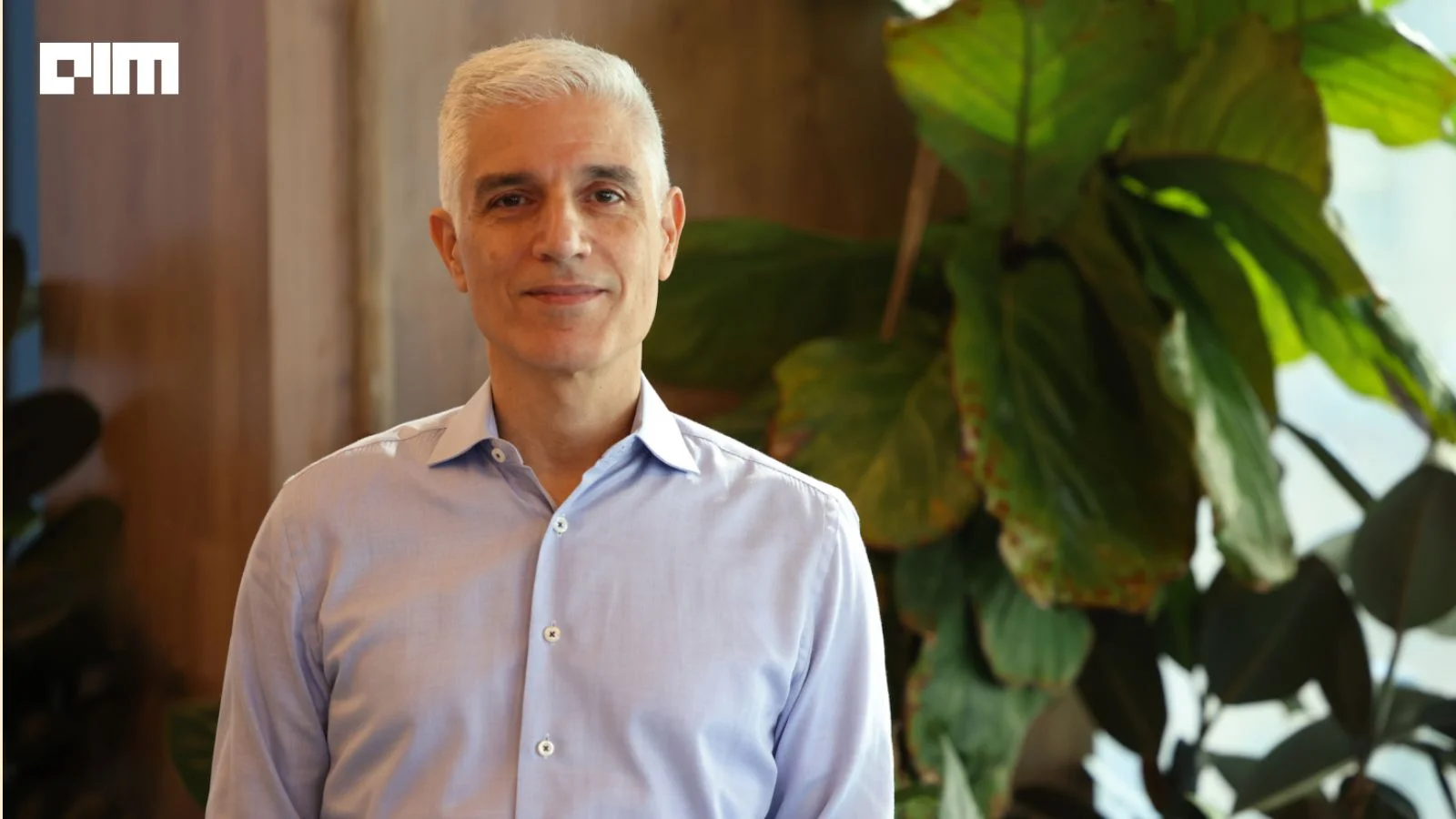
"LiveDesign will be a priority platform partner for TuneLab workflows, reflecting the demand for a unified enterprise informatics solution that democratizes access to AI models, physics-based calculations, and experimental data across discovery teams," said Pat Lorton, Schrödinger's chief technology officer and chief operating officer of software.
By embedding TuneLab directly into this workflow, biotech researchers test their therapeutic candidates against Lilly's models without workflow disruption. A chemist designing a kinase inhibitor can run Lilly's absorption predictions alongside Schrödinger's quantum mechanical binding affinity calculations in the same interface.
Eli Lilly spent decades, and over $1 billion, building comprehensive datasets covering drug disposition, preclinical safety, and experimental outcomes across hundreds of thousands of molecules. Making these models available externally creates network effects. More biotech participation generates more diverse training data, improving model accuracy for all users, including Lilly's internal programs.
The strategy aligns with FDA priorities. Regulators increasingly encourage computational prediction tools to reduce animal testing in preclinical studies. TuneLab serves Lilly's dual strategy. Positioning the company as an industry leader in AI sharing while building superior models through partner contributions
Schrödinger's Logic and Broader Ecosystem
For Schrödinger, valued at $1.35 billion with $18.39/share pricing, the partnership reinforces LiveDesign's position as the enterprise standard. The company reported 32.9% revenue growth over the past twelve months despite remaining unprofitable, maintaining more cash than debt.
"Schrödinger has a track record of successfully leveraging LiveDesign's array of enterprise features, including physics-based and AI/ML methods, to advance our proprietary and collaborative programs, and we look forward to building on that success with TuneLab," said Karen Akinsanya, president of R&D, therapeutics, and chief strategy officer of partnerships.
Schrödinger isn't alone in this. Revvity simultaneously announced TuneLab integration into its Signals platform. Lilly has built a technology partner network including leading AI/ML providers, positioning TuneLab as an industry utility rather than a proprietary tool.
Biotech companies increasingly demand unified platforms combining experimental data, computational predictions, and collaborative workflows. LiveDesign's selection as TuneLab's "priority interface" creates a situation where more TuneLab adoption drives LiveDesign usage, which attracts more AI partners to the ecosystem.
Early-stage biotechs building computational drug discovery requires specialized PhDs, GPU clusters, and years of data accumulation, capital most startups lack. TuneLab eliminates this barrier. Pre-trained models reduce early screening failure rates, compressing timelines from months to weeks.
Faster hit identification means more candidates advance to validation studies. Higher quality leads reduce downstream costs in animal models and IND-enabling studies. For rare disease and oncology programs, the time savings translate directly to lives.
Key Takeaways
- Schrödinger partners with Eli Lilly to enhance AI-driven drug discovery for biotech companies.
- Integrate Lilly's TuneLab with LiveDesign for seamless access to AI-trained safety predictions.
- Leverage federated learning to maintain data privacy while improving AI models collaboratively.
- Biotech startups gain competitive advantage without needing costly in-house computational teams.