Komatsu Expands Smart Forestry Tools With AI, Drones, And Precision Mapping
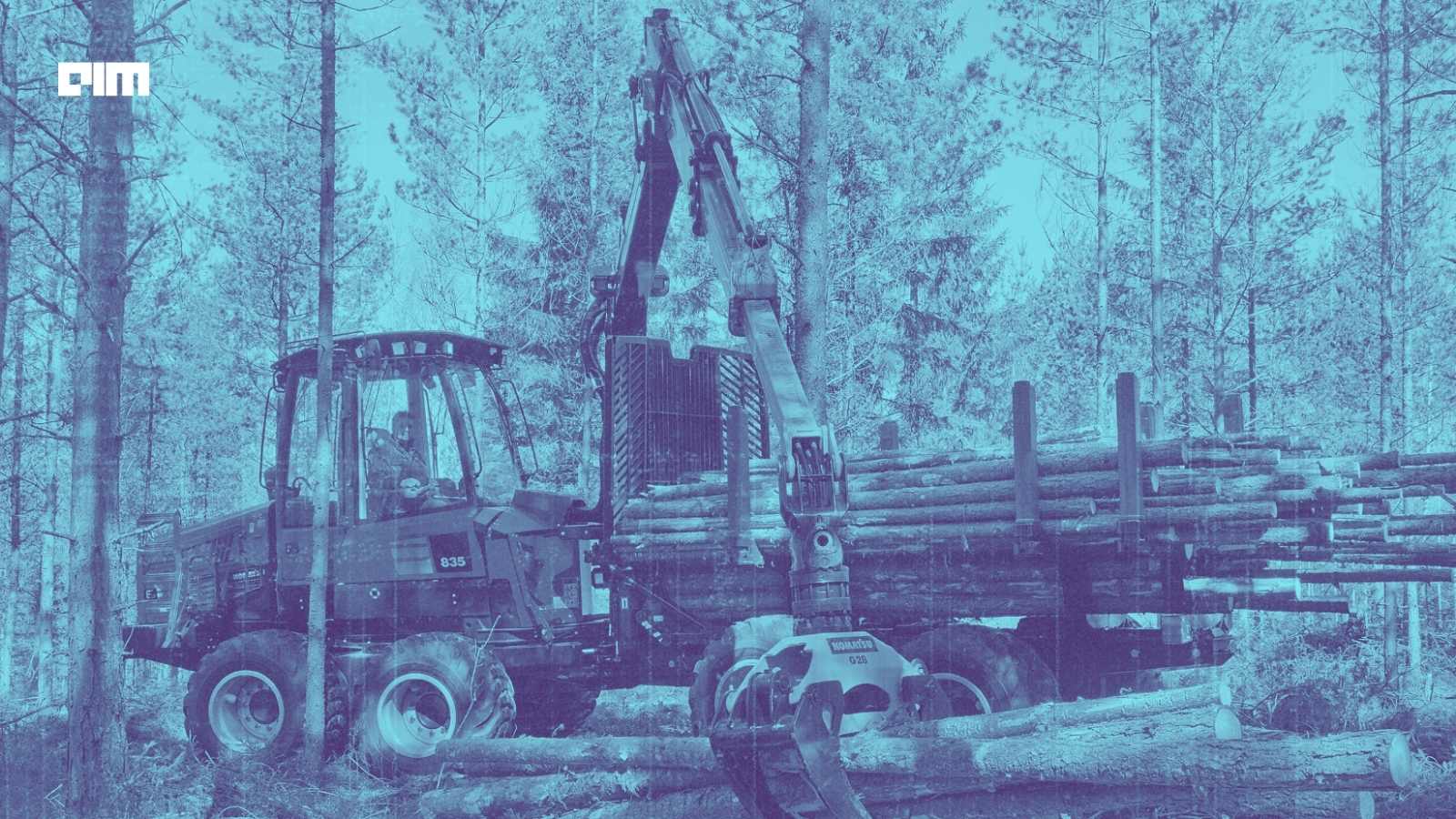
Komatsu is advancing its Smart Forestry platform with AI, drones, and real-time data systems to improve efficiency, safety, and environmental outcomes in forestry operations.
Komatsu North America is expanding its Smart Forestry platform, combining machine learning, satellite positioning, and connected equipment to digitize forestry operations and improve productivity in remote environments.
The system integrates onboard machine data, fleet-level monitoring, and mapping tools to give operators and managers real-time visibility into harvesting activity. Komatsu says these tools allow planning, execution, and monitoring to happen simultaneously across sites that are often difficult to access.
The approach reflects a broader shift toward embedding AI directly into operational systems. Similar deployments are emerging in supply chains, where AI agents are being used to automate workflows and coordinate decisions across distributed networks.
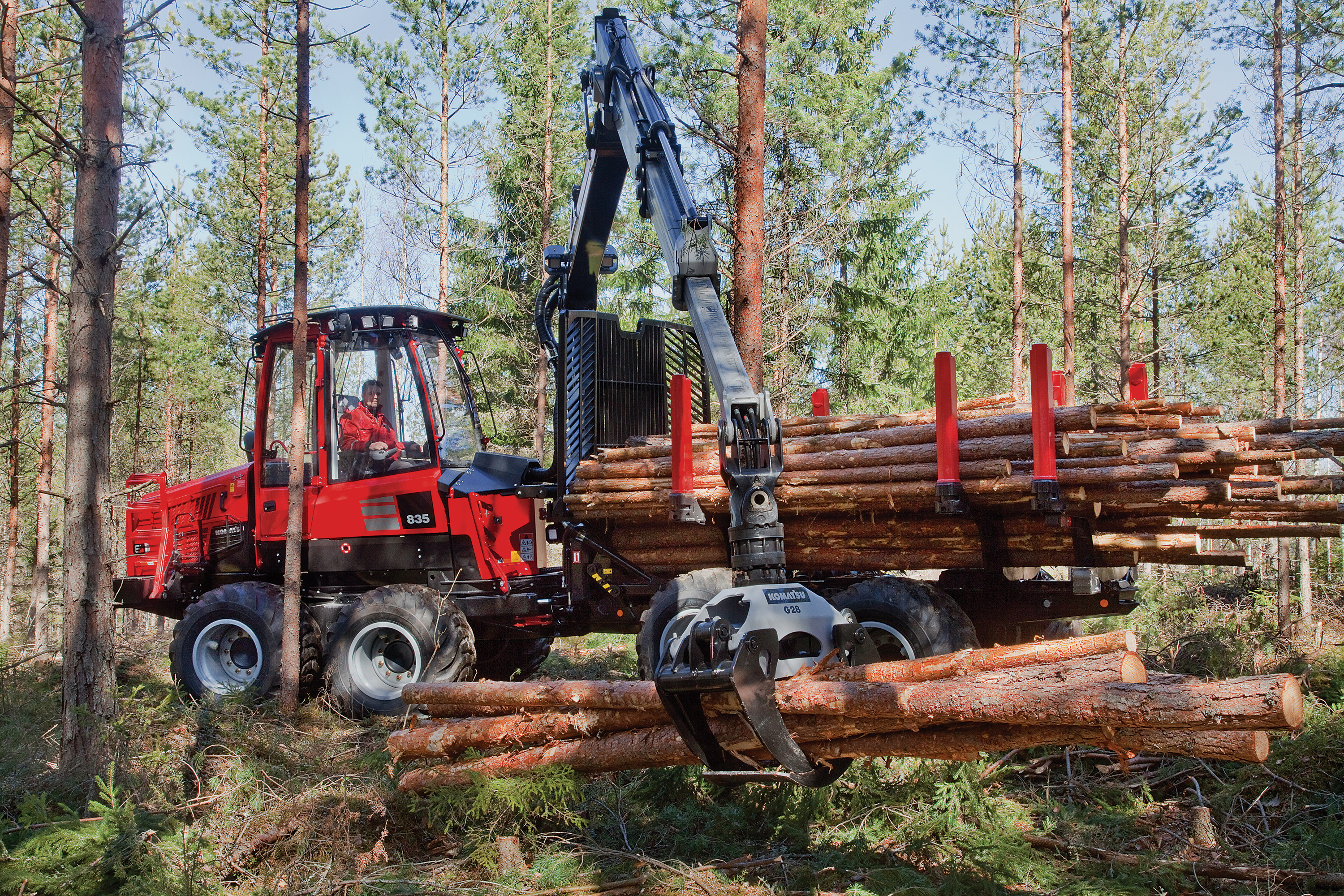
Komatsu’s forestry systems build on its MaxiFleet platform, which collects machine performance and production data and makes it accessible remotely. This allows operators to track output, monitor machine health, and adjust operations without being physically present in the forest.
 >
>
>
Precision Mapping And Machine Intelligence
Komatsu is also integrating AI-driven mapping and sensing technologies into forestry workflows. Systems combining LiDAR, imaging, and machine learning can identify trees, terrain, and obstacles, helping operators plan routes and reduce unnecessary movement.
The company has introduced precision positioning tools that locate machines within a margin of a few centimeters, enabling geofencing and more controlled harvesting. These features support selective cutting and reduce damage to surrounding forest areas.
Field deployments show how these tools are being used in practice. In Norway, forestry operator Valdres Skog uses connected Komatsu machines, drones, and remote monitoring systems to manage production across more than 250 forest sites. The company reports that access to real-time data has improved efficiency and reduced errors in operations.
Industrial AI adoption is increasingly tied to measurable operational outcomes. Companies deploying AI systems in production environments are reporting gains in productivity and reductions in downtime, particularly where systems are integrated with physical equipment.
Operational Pressure And Environmental Constraints
Forestry operators are facing rising demand for timber alongside constraints tied to labor availability and environmental requirements. Global wood production has reached about 4 billion cubic meters annually, with continued growth expected in the coming years.
Komatsu positions its Smart Forestry platform as a response to these pressures, enabling operators to work more efficiently while managing environmental impact. Features such as route optimization, remote diagnostics, and automated reporting reduce manual processes and improve resource use.
The systems are also being applied in environmental management scenarios. In wildfire-prone regions, digital mapping and planning tools are used to identify risk areas and coordinate interventions, improving response times and planning accuracy.
The underlying model depends on integrating fragmented data sources into a single operational view. This mirrors deployments in other industries, where companies are consolidating data systems before scaling AI-driven decision-making across operations.
As AI adoption expands across industrial sectors, demand for these systems continues to increase, placing pressure on infrastructure and supply chains supporting deployment.
Komatsu’s approach centers on integrating hardware, software, and data into a single system designed for field conditions. The company is positioning Smart Forestry as part of a broader shift toward connected, data-driven operations in industries that have traditionally relied on manual processes.
Key Takeaways
- Expand Smart Forestry platform using AI, drones, and real-time data for enhanced efficiency.
- Integrate onboard machine data and mapping tools for real-time visibility in remote forestry operations.
- Leverage MaxiFleet platform to remotely track output and monitor machine health.
- Adopt a broader shift towards AI in operational systems across various industries.
- Utilize precision mapping and machine intelligence to optimize forestry management processes.