
Costco’s Highest Converting Traffic Source is AI
"While the volume of traffic generated from AI search is still low, we saw triple digit growth in Q3."
By Sachin Mohan ·
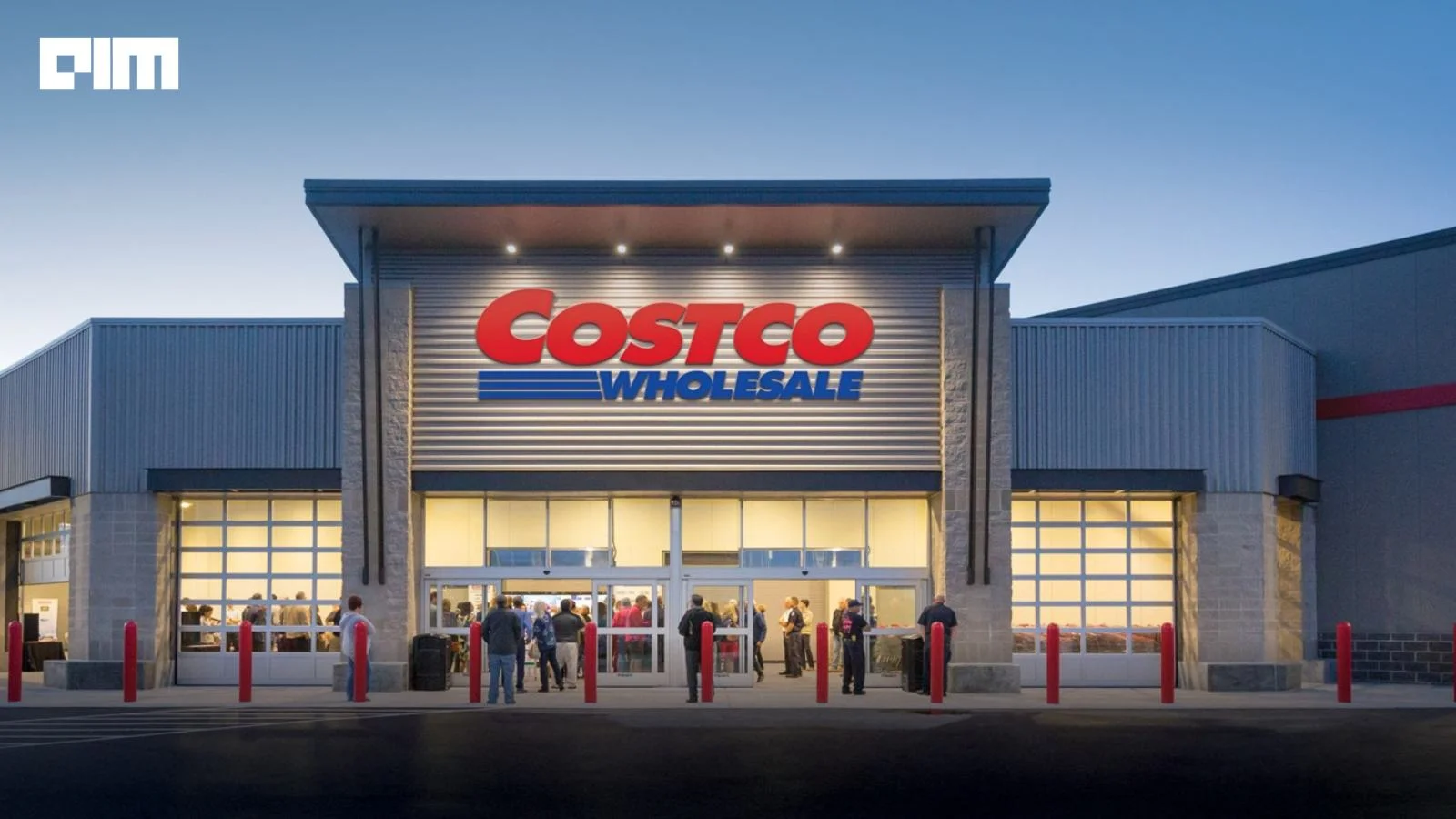
During Costco's Q3 FY2026 earnings call on May 28, 2026, CFO Gary Millerchip confirmed that AI-sourced ecommerce traffic grew at a triple-digit rate in Q3 and carries the highest conversion rate of any traffic source on Costco's site.
Costco's site receives traffic from direct visits, organic search, paid search, social media, email, and now AI. Of all those channels, the traffic arriving from AI tools converts at the highest rate.
For a retailer that has spent decades building one of the most loyal membership bases in the world, that is a very strong signal.
"While the volume of traffic generated from AI search is still low, we saw triple digit growth in Q3, and this activity had the highest conversion rate of all traffic coming to our site," Millerchip said.
Updates From the Call
The call contained three distinct AI disclosures, each addressing a different dimension of how Costco is thinking about AI's role in its ecommerce and merchandising strategy.
The first is product page optimization. Costco is using AI to enhance its product pages online to increase relevance with large language models, essentially making its listings more readable and rankable by the AI tools that consumers increasingly use to research products before buying.
The logic is specific: if an AI tool is going to recommend a product, it needs to be able to parse the full value proposition from the product page. Costco is investing in making that parsing easier.
The second is personalization. Costco's personalized product recommendation carousels delivered conversion rates three times better than typical site averages in Q3, and contributed just under $5 billion in ecommerce sales. That figure gives Costco's personalization investment a specific commercial scale that few retailers have disclosed publicly.
The third is the strategic AI partnership effort. CEO Ron Vachris said Costco is working with leading AI companies to improve the visibility of its value proposition to current and potential future members.
He was specific about why this matters for Costco in a way it does not for most retailers. "Regular search did not show all that value," Vachris said, describing categories like appliances and tires.
"Now with these large language models, they are able to look at the entire value, such as tires that installation's included, road hazards included, nitrogen included. So we feel we are very bullish on this AI search and the strength that is gonna bring to telling the whole Costco story about the true value of what we offer," said Vachris.
Why Costco's AI Opportunity Is Structurally Different
Vachris framed Costco's AI opportunity in a way that distinguishes it from most retailer AI narratives. Most retailers are using AI to help consumers find products. Costco is using AI to help consumers understand value that traditional keyword search was never designed to surface.
Costco's pricing authority and membership model create a value proposition that is richer than a price tag but harder to communicate in a standard product listing.
An AI tool that can read and synthesize that full value context, and surface it when a consumer asks which retailer offers the best deal on tires or appliances, gives Costco a discovery advantage that does not exist in traditional search.
Millerchip described the AI investment as capital light, accretive to operational productivity without requiring heavy infrastructure spending.