How can AI design agents boost your creative team?
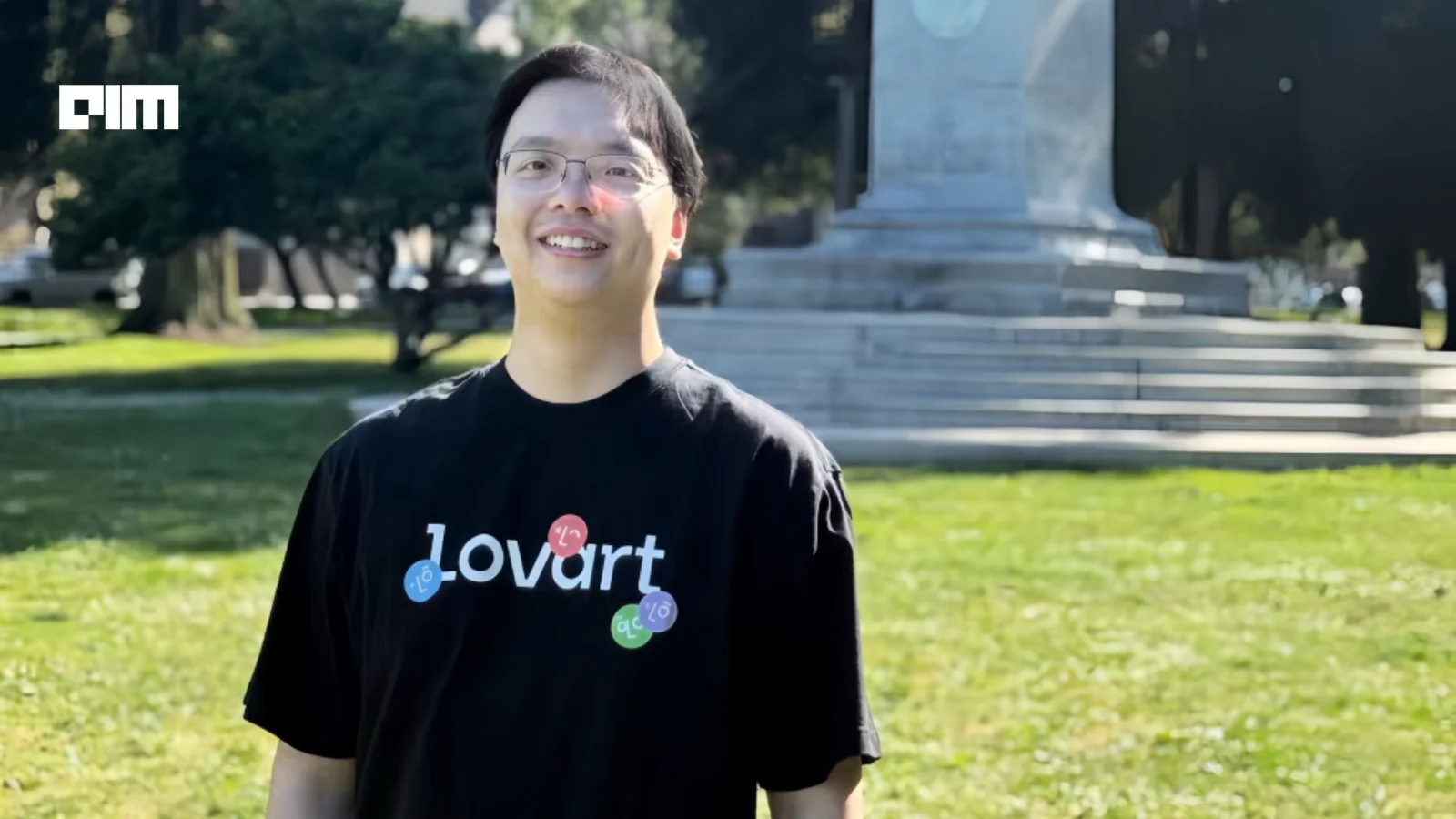
We’re essentially democratizing access to enterprise-level creative capabilities.
San Francisco-based Lovart has launched its AI Design Agent, a platform that brings multiple design functions together in one place. It is meant for people who have ideas but lack the resources or time to turn them into professional visuals. The goal is to make the entire creative process happen faster without losing consistency in style or message.
Melvin Chen, the CEO, explained the challenge in clear terms: “Every startup hits the same wall: you have the product vision, but translating that into professional creative assets requires a full agency or months of DIY work… We’re essentially democratizing access to enterprise-level creative capabilities.” His words describe a common situation in the business world where strong ideas often wait too long for the right execution.
Lovart operates by assigning different parts of the work to specialised AI agents. One may handle brand strategy, another may focus on packaging, while others create social media content or motion graphics. All of these agents work within an infinite canvas that works as the shared environment. This keeps every element connected. The platform’s “Mind Chain of Thought” engine gives direction to the process by considering the brand’s goals, the audience, and the desired style before creating any asset.
During its beta phase, the platform gained around 800,000 users across 70 countries. Many shared their results online, which increased its visibility. A review described how a complete brand kit came together in an hour through a single prompt. The outcome included a logo, colour palette, marketing images, and a video. Each piece matched the others in tone and style, as if one creative team had produced them.
Traditional design tools like Adobe, Canva and Figma force users to jump between apps, making the creative process clunky and prone to inconsistency. Their AI features only scratch the surface handling isolated tasks without real oversight of the whole project. This fragmented approach wastes time and puts too much burden on the user to keep things aligned.
But Lovart’s pitch is different: by handling the full scope of design in one space, its AI makes decisions with the whole project in mind.
Three characteristics define Lovart’s position:
- Reasoning before designing, aligning every element with the intended message and audience.
- A shared canvas that keeps context alive, so assets evolve together.
- Learning from past work to deliver designs that match the user’s style more closely over time.
The practical benefits extend across different situations. For smaller businesses, it offers an opportunity to produce high-quality materials without the delays of coordinating multiple tools or teams. For experienced designers, it accelerates the creation of initial drafts and allows more time for detailed refinement. The structure of the platform ensures that all assets remain part of a unified vision throughout the process.
Lovart’s approach simplifies creative workflows by bringing all essential tasks into a single system. This removes the common delays caused by juggling multiple tools and manual coordination. By automating routine work, the platform frees creative teams to focus on developing ideas and refining details that truly matter. Such integration matches the current demands for efficiency without sacrificing quality. In practice, it means faster delivery of consistent and professional designs. The value lies in new technology and how it helps teams work smarter and maintain focus on their core creative goals.
Key Takeaways
- Lovart launched an AI Design Agent to democratize enterprise-level creative capabilities for businesses.
- The platform uses specialized AI agents and a 'Mind Chain of Thought' engine for comprehensive design execution.
- Lovart's AI aims to accelerate the creative process, maintaining consistency across various visual assets.
- During beta, Lovart attracted 800,000 users globally, demonstrating significant demand and efficiency.